Iran’s Missiles Strain Israel’s Air Defenses
Iran's recent missile strikes have put significant strain on Israel's multi-layered air defense systems, including the Iron Dome. The increased use of cluster munitions and the sheer volume of projectiles challenge interceptor capabilities and rapidly deplete stockpiles. Experts highlight the economic disparity, with Iran's cheaper offensive weapons posing a strategic dilemma for costly defensive measures.

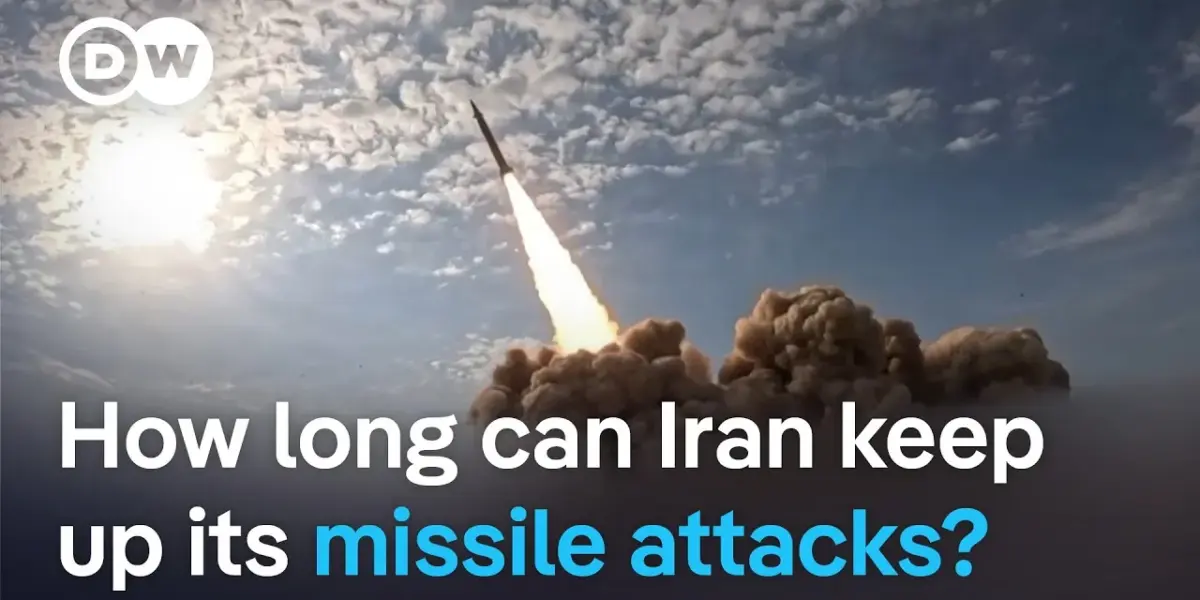
Iran’s Missile Barrage Tests Israel’s Defenses
Iran has launched a significant wave of missiles targeting Israel, with Tel Aviv experiencing heavy impacts. Falling missile fragments ignited fires across the city, damaging vehicles and homes. Authorities reported that some attacks utilized cluster munitions, which scatter many smaller explosives over a wide area, making them harder to intercept. In other incidents, six people were injured in the central town of Atafa Kasim, and a residential building was damaged in Haifa.
Israel’s Multi-Layered Defense System Under Pressure
These strikes have put Israel’s advanced missile defense systems to the test. The system, designed to counter various threats, includes multiple layers: the Iron Dome for short-range rockets and mortars, David’s Sling for mid-range ballistic missiles, and the Arrow system for long-range ballistic missiles operating outside Earth’s atmosphere. Developed with significant U.S. support, these systems have intercepted thousands of projectiles since their deployment, boasting high success rates.
Cluster Munitions Pose New Challenge
A growing concern is Iran’s increased use of cluster munitions. These weapons release dozens of smaller explosive charges, which can overwhelm conventional defense systems. Israel estimates that roughly half of Iranian rockets now contain these submunitions, presenting a complex challenge for defenses already strained by ongoing conflict. Glenn Ignasio, a national security expert and retired U.S. Air Force commander, noted that these scattered bomblets are extremely difficult to intercept once released from the main warhead.
Interceptor Stockpiles and Production Concerns
The sustained attacks are rapidly depleting interceptor missile stockpiles. Experts estimate that hundreds of U.S.-supplied Patriot and THAAD missiles have been used. Production rates for these interceptors are significantly lower than the consumption rate. For example, the U.S. produces about 600 Patriot PAC-3 missiles annually, a figure that has been nearly matched by usage in recent conflicts. THAAD production is even lower, around 150 per year. While production is being ramped up, experts warn that it will take considerable time for the industry to meet the demand, with projected increases taking years.
Economic Warfare: Costly Defenses vs. Cheap Offense
The conflict also highlights an economic disparity. Iran’s ballistic missiles can cost between $1 to $2 million to produce, while a single U.S. THAAD interceptor costs around $8 million, and a Patriot PAC-3 costs about $4 million. Cheaper still are the Iranian Shahed drones, costing only $50,000. This cost imbalance means Iran can inflict significant economic damage by forcing the use of expensive interceptors. National security experts point out that Iran’s strategy may focus on overwhelming defenses with sheer volume and low-cost weapons, a tactic seen with the widespread use of drones in other conflicts.
Iran’s Evolving Missile Capabilities
Iran’s missile capabilities have also evolved, with some projectiles now reaching ranges of up to 4,000 kilometers, as demonstrated by an attack on the U.S. base at Diego Garcia. This extended range places major European cities and significant portions of the Middle East within reach. While experts believe Iran is not yet close to developing nuclear warheads for these missiles, their increasing range and the proliferation of drones present a serious and growing threat.
Expert Analysis: System Limitations and Future Outlook
Military analyst Marina Myron explained that no air defense system can achieve 100% effectiveness, and attackers will always seek weaknesses. Israel’s Arrow system, designed for exo-atmospheric interception, is highly effective but extremely expensive, costing around $10 million per interceptor. Relying on lower layers like David’s Sling and Iron Dome becomes necessary, but these systems face challenges in detecting, tracking, and engaging numerous small bomblets or decoys, especially under time pressure. The ability to maintain sufficient stockpiles and quickly replenish them during prolonged conflict is a critical concern.
Comparison with U.S. and Regional Defenses
Myron also compared Israel’s systems to those of the United States. The U.S. THAAD system is comparable to Israel’s Arrow, designed for high-altitude ballistic missile interception, though U.S. interceptors are reportedly more expensive. The U.S. Patriot system is similar to David’s Sling, a multi-role system capable of engaging various threats including cruise missiles, ballistic missiles, and drones. However, the effectiveness of any system depends heavily on radar coverage, sensor data, and available interceptor stocks. In this strategic game, Iran’s advantage lies in its cheaper offensive capabilities, making sustained defense a costly endeavor.
What’s Next?
As the conflict continues, attention will remain focused on the resilience of Israel’s air defense network and the ability of the U.S. and its allies to rapidly increase the production of interceptor missiles. The effectiveness of Iran’s evolving tactics, particularly the use of cluster munitions and drones, will be closely watched, as will the economic strain placed on both sides by the high cost of missile defense.
Source: Iranian missile strikes strain Israel's Iron Dome | DW News (YouTube)

Related Articles
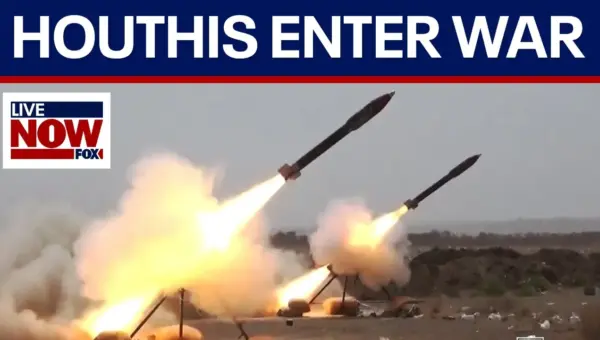
Iran-Backed Houthis Strike Israel, Escalating Regional Tensions
Iran-backed Houthi rebels have launched a missile attack targeting Israel, marking their first such strike since the current Middle East conflict began. The Israeli military confirmed the interception of the projectile. Analysts view this action as part of Iran's broader regional strategy, highlighting the regime's reliance on proxy forces amid internal weaknesses.


Iran Extends Strait of Hormuz Deadline Amid Global Oil Tensions
The U.S. has granted Iran a 10-day extension to reopen the Strait of Hormuz, a critical global oil route. This move comes amid complex negotiations, military actions, and concerns over Iran's strategic leverage and resilience. Lawmakers express frustration over the lack of a clear strategy and potential escalation.


Iran Tensions Rise, Airport Chaos Looms
Global tensions escalate as Iran war concerns impact oil prices and stock markets. Simultaneously, a potential end to the TSA worker pay crisis is in sight with a presidential order. In personal news, Savannah Guthrie shares new details about her mother's kidnapping, while the family of an Idaho murder victim champions a new law protecting victims' privacy. Finally, Nicolas Maduro challenges his indictment in a New York court over legal fees.