US Pushes for Iran Deal Amidst War; Domestic Pressure Mounts
President Trump claims Iran is 'begging' for a peace deal as U.S. military operations continue, nearing the one-month mark. Amidst domestic pressure from rising energy prices and dwindling public support, indirect talks are underway, with a 15-point peace framework presented to Tehran. Meanwhile, a Capitol Hill stalemate over DHS funding intensifies, causing chaos at airports nationwide.


Trump Claims Iran is ‘Begging’ for Deal as War Enters Fifth Week
President Trump struck a triumphant tone regarding U.S. military operations in Iran, despite the conflict nearing its one-month mark. He asserted that Iran is actively seeking a peace deal, even as rising energy prices and wavering public support at home add pressure. The President held his first cabinet meeting since the war began, reiterating claims that Iran is being ‘obliterated’ and that U.S. operations are ahead of schedule.
Indirect Talks and a 15-Point Peace Framework
During the cabinet meeting, President Trump highlighted ongoing indirect talks with Iran. “They are begging to make a deal,” the President stated, adding that Iran has the chance to “permanently abandon their nuclear ambitions.” He also mentioned that the U.S. military will continue operations unimpeded. Special Envoy Steve Witkoff, involved in the indirect talks, confirmed that the U.S. presented Iran with a 15-point action list as a framework for a peace deal, noting that Tehran appears to be seeking an ‘off-ramp’.
“We will see where things lead. And if we can convince Iran that this is the inflection point with no good alternatives for them other than more death and destruction, we have strong signs that this is a possibility. And if a deal happens, it will be great for the country of Iran, for the entire region and the world at large.” Defense Secretary Pete Hegseth
Defense Secretary Pete Hegseth conveyed a strong message, emphasizing the potential for a deal that would benefit Iran, the region, and the world. He also stated that the Department of War would continue negotiating with ‘bombs’ in the interim.
Deadline Looms for Strait of Hormuz Blockade
The situation remains tense as a five-day reprieve from striking Iran’s power plants, contingent on Iran reopening the Strait of Hormuz, nears its expiration. President Trump avoided direct questions about potential strikes but noted that Iran had allowed ten oil tankers to transit the strait, which he called a ‘present’ and a sign of dealing with the ‘right people’. However, NBC News has not found evidence confirming the passage of ten such tankers, and the number represents a small fraction of normal daily transit.
Domestic Opposition and Shifting Narratives
New polling indicates a majority of voters oppose the U.S. military action against Iran, with opposition up 8% since the war’s start. White House correspondent Monica Alba noted the President’s mixed messaging, simultaneously suggesting the war is winding down while not committing to firm timelines. She also pointed out conflicting statements about the possibility of negotiations, with the President previously stating there was ‘nobody left to talk to’ in Iran.
Concerns Over Munitions Diversion and Congressional Frustration
Senior National Security Correspondent Courtney Kube discussed reports of potentially diverting air defense munitions intended for Ukraine to the Middle East. While acknowledging that weapons are frequently reallocated, she noted Ukraine’s unique situation as allies have already purchased these arms. The U.S. has conducted over 10,000 offensive strikes in Iran in under a month, alongside defending against numerous Iranian missile and drone attacks, raising questions about potential delays for systems destined for Ukraine.
Kube also reported on significant bipartisan frustration among lawmakers following a briefing on the war’s status. Many felt they received insufficient answers regarding U.S. boots on the ground, including deployment numbers, locations, and objectives. This lack of clarity fueled concerns about the overall strategy and the reasons for U.S. involvement.
Israel Targets Iranian Navy Commander; ‘Strategic Corporal’ Risk
The Pentagon confirmed Israel’s elimination of Iran’s top navy commander, a move seen as part of Israel’s broader strategy to target Iranian personnel while the U.S. focuses on military assets. However, Kube warned that taking out more commanders could lead to a dangerous situation known as the ‘strategic corporal.’ This refers to junior personnel acting independently, potentially escalating conflict due to increased chaos and diminished command and control within Iran’s military, particularly the Revolutionary Guard Corps.
Activist Calls for Unity, Criticizes Civilian Infrastructure Strikes
Iranian political activist Masih Alinejad expressed happiness over the removal of Ali Khamenei but criticized potential strikes on civilian infrastructure like power plants. She argued this would not help the Iranian people and would instead provide the Islamic Republic with a foreign entity to blame. Alinejad urged for direct targeting of ‘killers, not infrastructure,’ emphasizing the need for international support for the Iranian people seeking freedom.
“My people inside Iran are living in a total blackout. … In the middle of a war, they shut down the internet. … They actually manage to execute people.” Masih Alinejad
Alinejad detailed the dire situation within Iran, including internet blackouts, executions of young protestors, and the regime’s efforts to silence dissent. She appealed to both Democrats and Republicans to unite against terrorism, arguing that an Iran without the Islamic Republic would benefit America. She highlighted the regime’s past actions, including threats against President Trump and attacks on American interests, underscoring the belief that ‘Death to America’ is meant literally by the current leadership.
President Trump Extends Deadline for Energy Plant Strikes
In breaking news, President Trump announced an extension of the pause on energy plant destruction by ten days, to Monday, April 6th, at 8 p.m. Eastern time, citing Iranian government requests. He stated that talks are ongoing. Alinejad, while cautious about judging the President solely on tweets, expressed skepticism about the possibility of meaningful negotiations with the current Iranian regime, which she believes only understands the language of force. She urged Trump to ‘finish the job’ and help end the Islamic Republic, warning that the regime uses negotiation time to rebuild its military capabilities.
Capitol Hill Stalemate on DHS Funding
Meanwhile, negotiations on Capitol Hill regarding funding for the Department of Homeland Security (DHS) face a potential collapse as lawmakers prepare for a two-week recess. Senate Majority Leader John Thune stated Republicans had made their final offer, accusing Democrats of moving the goalposts. Democrats maintain their demands on ice reform have been consistent.
The standoff has led to significant disruptions at airports nationwide, with TSA officers working without pay causing extreme wait times. The acting head of TSA called these the highest wait times in the agency’s history. The White House is reportedly considering invoking a national emergency to unilaterally fund the TSA, though they maintain that reaching a deal on DHS funding is the preferred solution.
Airlines For America CEO Expresses Concern
Chris Sununu, President and CEO of Airlines for America, expressed fears that a failure to reach a deal could lead to further disruptions. He noted that discussions around specific wording in negotiations suggest progress is being made, but the ticking clock before the recess is a major concern. Sununu emphasized that the American public, not the aviation industry, is being penalized by the shutdown and that Republicans have offered to set aside ice funding to facilitate a deal.
Source: Meet the Press NOW — March 26 (YouTube)

Related Articles


Americans Rally for Democracy Amidst War and Economic Woes
Thousands of Americans are participating in "No Kings" rallies nationwide, demanding accountability from leaders and drawing parallels to historical movements that spurred significant change. The protests occur amidst a controversial war with Iran, economic uncertainty, and a partial government shutdown. Organizers emphasize solidarity, joy, and the power of collective action in defending democracy.
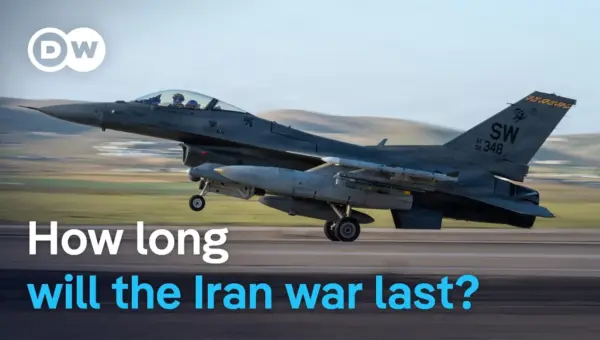
US Official Claims Iran War Could End Soon; Expert Skeptical
Despite US envoy Steve Woff's optimism about imminent talks and a swift end to the conflict with Iran, expert Aaron David Miller expresses significant doubt. Miller argues that a lack of shared urgency and fundamental miscalculations by the US administration make a quick resolution unlikely.
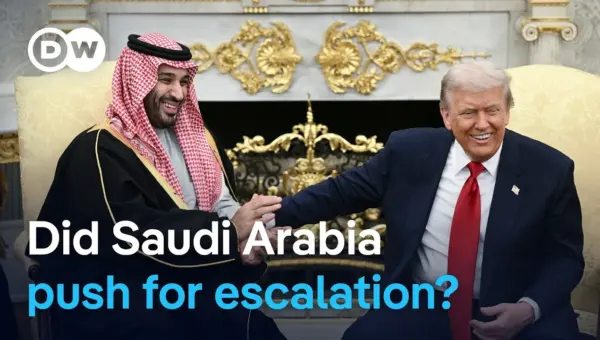
Saudi Arabia Pushes US for Iran War, Report Claims
Saudi Arabia's Crown Prince Mohammed bin Salman has reportedly urged the US to escalate military action against Iran, viewing it as an opportunity to reshape the Middle East. While Saudi officials deny the report, the push comes amid increased Iranian attacks on Saudi oil infrastructure. Experts suggest a complex dynamic where Saudi Arabia seeks US intervention while also managing the risks of regional instability.