Military Leaders Question War Tactics, Warn of War Crimes
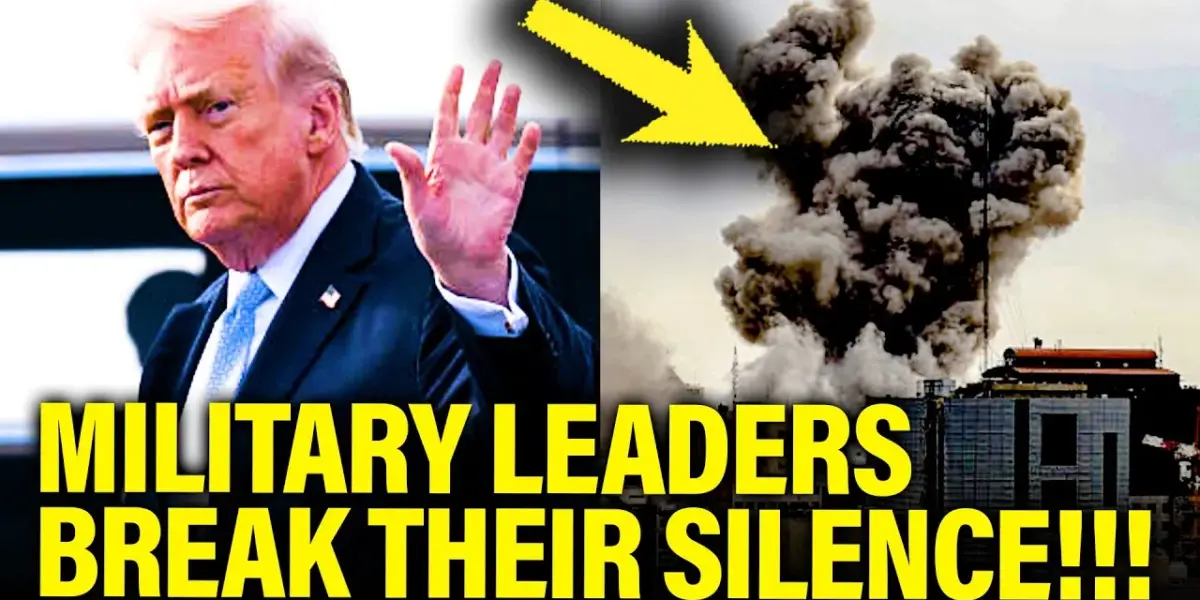
Retired US military leaders are questioning Defense Secretary Pete Hegseth's war tactics, warning they could amount to war crimes. Concerns include the dismantling of civilian protection offices and a lack of clear objectives, leading to public frustration over rising gas prices and ongoing conflict.

Military Leaders Question War Tactics, Warn of War Crimes
New accusations are surfacing that could change how people see the war in Iran. This isn’t coming from politicians, but from military leaders themselves. A retired US major general has publicly stated that actions and words by Defense Secretary Pete Hegseth might be considered war crimes. These are strong words, especially from someone who has spent their career within the military system.
Accusations of Reckless Rhetoric
The retired general described Hegseth’s approach as the words of a “potential war criminal.” He argued that this kind of talk and the direction given to soldiers puts them in more danger. The general also pointed out that Hegseth, who was previously removed from the DC National Guard, seems to lack the necessary qualifications for his role beyond loyalty to the president.
Hegseth has been clear about his goals since taking charge of the Department of Defense. He has focused on “maximum lethality” and has set aside traditional rules of engagement. These constraints have guided US military actions for a long time. Legal experts have expressed concern that Hegseth’s statements about fighting without restraint could go against international law. This is especially true when actions follow, like closing down a department in the Pentagon that was specifically created to help prevent civilian deaths.
Civilian Protection Center Dismantled
A few years ago, a law was passed to create the Civilian Protection Center. This office within the Department of Defense had staff focused on protecting civilians and reducing risks. However, Secretary Hegseth decided to close this office last year. He greatly reduced its staff and did not provide the necessary budget. This bipartisan effort, which the speaker helped draft, showed a commitment to civilian safety.
The speaker, who worked at the National Security Council and approved targeting packages for the president, believes President Trump and Secretary Hegseth are responsible. They allegedly gave orders that led to risky decisions. Without the Civilian Protection Center, the speaker argues, this administration has shown it doesn’t prioritize civilian safety. This has led to one of the worst civilian death tolls from American actions in decades.
Ignoring Warnings and Escalation Risks
The former major general isn’t the only one criticizing Hegseth’s rhetoric and the administration’s overall approach. Military leaders have previously warned about the risks of escalating conflict with Iran. Reports suggest that General Kaine had warned Trump about potential consequences, particularly in the Strait of Hormuz, but these warnings were reportedly ignored.
During a discussion about Iran’s actions after a specific military operation, it was revealed that many were surprised by the retaliation. Iran hit Qatar, Saudi Arabia, and the UAE, which was unexpected. Experts and officials admitted that no one predicted this response. The conversation also touched on Iran’s past nuclear ambitions and their development of thousands of missiles.
Questions About Specific Strikes
Questions have also arisen about specific military actions. One involved an airstrike targeting a school in Iran that resulted in hundreds of civilian deaths, including children. The president mentioned using Tomahawk missiles, suggesting other countries might have been involved. However, US Tomahawks are launched from submarines or warships. While the UK and Australia have Tomahawks, they are not part of this conflict. Japan is also in a testing phase.
This makes it highly unlikely that any Tomahawk other than a US one hit the school. The president’s comments are seen by some as an attempt to confuse the issue, even though the strike is being investigated as a significant mistake. Additionally, intelligence officials have resigned over how the war was justified. Even some Republican members of Congress have raised concerns that certain orders could be considered war crimes.
Historical Parallels and Public Doubt
These concerns echo past debates, such as Trump’s maritime attacks targeting alleged drug boats. Critics argued that there was no fentanyl being made in Venezuela and that the boats would have to refuel many times to reach Miami. The core issue is the principle of when it is acceptable to kill people indiscriminately. Historically, declaring war required congressional approval and thoughtful debate, not actions taken “willy-nilly.”
Even in wartime, rules of engagement exist. Interdicting drugs has always been treated as a criminal activity, requiring evidence and legal conviction, not summary execution. These worries are now being voiced by retired senior military leaders. This presents a challenge for the Trump administration because criticism from political opponents or the media can be dismissed. However, criticism from military leadership, especially when many Americans already disapprove of the conflict, casts significant doubt on the mission itself.
Conflicting Statements and Public Frustration
The goals of the mission have also seemed to shift frequently, depending on who is speaking within the administration. Conflicting explanations have been given about the duration of the conflict, troop deployment, and the objectives. Statements have ranged from expecting a quick resolution to needing months, from no boots on the ground to potentially sending thousands of troops, and from ending the regime to not having that as a goal.
This lack of clarity comes at a time when American citizens are facing rising costs for essentials like gas. While the conflict in the Middle East is happening, and the Strait of Hormuz is experiencing disruptions, gas prices have surged. Drivers are noticing the increase, with many saying that a significant portion of their income now goes to fuel. This financial pressure leads to frustration, especially when officials suggest skipping small luxuries instead of directly addressing the reasons for increased military spending and engagement.
The Cost of Conflict and Public Support
Voters are concerned about affordability, and the rising gas prices linked to Middle East conflict are a major issue. While some argue for supporting service members by making small sacrifices, others feel that the lack of clear answers about the conflict’s purpose is unacceptable. The situation highlights a growing public unease with prolonged military involvement, particularly when it impacts daily life and financial stability at home.
Source: 🚨Military Leaders SLAM Trump over MAJOR WAR DISASTER (YouTube)

Related Articles

Stocks Ignore War Risks, Focus on “Taco Moments”
Stock markets appear to be overlooking the severe supply chain risks stemming from the Iran conflict, focusing instead on potential diplomatic de-escalations. While the S&P 500 shows resilience, bond and commodity markets signal deep concern over disruptions to critical resources like LNG, helium, and fertilizers.
Iran War Claims Ring Hollow as US Troops Injured in New Attack
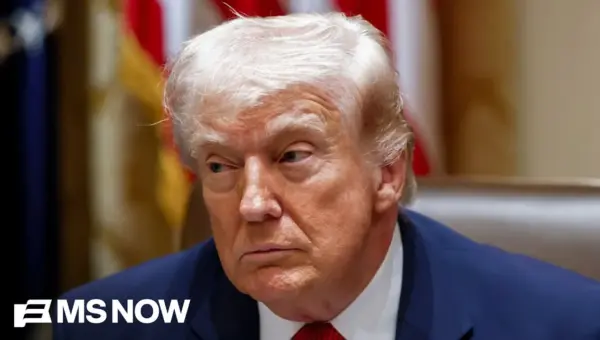
Days after Donald Trump claimed "we've won" the war with Iran, a new attack injured approximately a dozen U.S. troops and damaged aircraft. This incident contradicts Trump's assertions of victory and raises serious questions about the strategy and reality of the ongoing conflict.

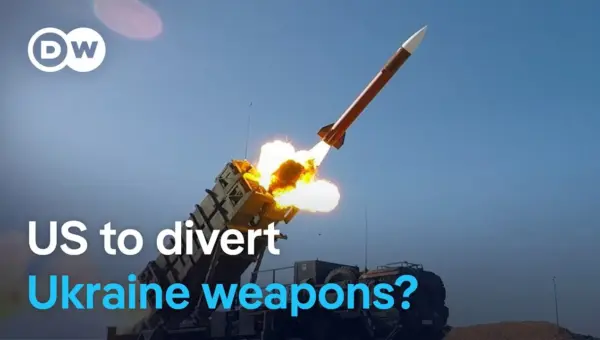
US Weighs Shifting Ukraine Weapons to Iran Amid Missile Shortage
The U.S. is reportedly considering diverting weapons destined for Ukraine to support operations against Iran, driven by rapidly depleted missile stocks. This potential shift raises concerns about Ukraine's defense capabilities and highlights the complex interplay between global conflicts.