Iran’s Strait Standoff: No End in Sight
Tensions simmer in the Persian Gulf as Iran's control over the Strait of Hormuz remains a critical point of friction. Conflicting reports suggest no easy resolution is in sight, with military forces posturing and markets showing signs of unease. The situation highlights a complex geopolitical standoff with potential global economic and security impacts.


Iran’s Strait Standoff: No End in Sight
Tensions are high in the Persian Gulf as a potential conflict between Iran and Western powers shows no sign of a quick resolution. Despite some diplomatic exchanges, the situation remains volatile, with military forces on alert and markets showing concern. The core issue revolves around Iran’s control over the Strait of Hormuz, a vital shipping lane.
Conflicting Views on Negotiations
There are two very different views on how the situation is developing. Some officials, like those in the U.S. administration, believe that an end to the conflict is near and that Iran is eager to reach a deal. They suggest that Iran might be looking for a way out of the current crisis.
However, others, including individuals with direct knowledge of Iran’s position, say this is not the case. They describe the current talks not as real negotiations, but as an exchange of messages between allies or friendly parties. This suggests that Iran is not showing signs of desperation or a strong willingness to compromise on key issues.
Key Actors and Their Interests
Iran: Iran’s primary interest appears to be maintaining its regional influence and deterring external aggression. The country is reportedly engaging in an exchange of messages, possibly through intermediaries like Pakistan, to manage the situation. However, recent events, such as the death of a high-ranking Iranian naval commander responsible for the Strait of Hormuz, add layers of complexity and uncertainty regarding who is in control and who can speak for Iran.
United States: The U.S. administration seems to be pushing for a swift resolution, possibly within a short timeframe of two to six weeks. There are discussions about deploying military forces, including the 82nd Airborne Division, to the region. The U.S. is also considering various options, including the possibility of military action, though they are careful not to reveal specific plans. The idea of taking control of Iranian oil resources, similar to actions taken in Venezuela, has been mentioned as a potential, though perhaps limited, option.
Gulf States: Residents in Gulf states are understandably concerned about the rising tensions. They are looking to the skies with worry, fearing potential escalation. Iran has reportedly fired missiles towards the United Arab Emirates (UAE) and other Gulf nations, further increasing regional anxiety.
Economic Ramifications
The financial markets are closely watching the events unfold. Markets have dropped significantly, reflecting growing pessimism about the situation. This suggests that investors see a higher risk of conflict, which could disrupt global trade and energy supplies.
The Strait of Hormuz is crucial for global oil transport. Only a small fraction of ships are reportedly being allowed through, impacting supply and prices. The mention of taking Iranian oil, while discussed, is seen by some as a minor action compared to the overall oil still available underground.
Military Posturing and Uncertainty
There is a significant military buildup and strategic positioning occurring. The U.S. is reportedly sending Marines and considering deploying the 82nd Airborne Division. This military readiness, coupled with Iran’s defiant rhetoric and actions like missile launches, creates a tense atmosphere.
The analogy of ‘All Quiet on the Western Front’ is used to describe the current calm before a potential storm. It questions whether Iran might launch a full-scale attack before any potential ground invasion by forces like the 82nd Airborne. The uncertainty about Iran’s next move, especially after recent high-profile deaths within its military leadership, makes predicting the outcome extremely difficult.
Historical Context
This situation echoes past periods of high tension in the Persian Gulf. Control over vital shipping lanes has historically been a point of contention. The strategic importance of the Strait of Hormuz has made it a focal point for regional rivalries and international diplomacy for decades.
The mention of taking oil from Venezuela is a reference to past U.S. actions in the Latin American country, suggesting a willingness to explore various economic and military pressures. The comparison to actions taken in June, where a situation was described without telegraphing specific plans before military action occurred, highlights a pattern of strategic ambiguity.
Global Impact
The ongoing standoff has far-reaching consequences. The disruption of oil supplies from the Strait of Hormuz could lead to significant increases in global energy prices, impacting economies worldwide. Increased military activity in the region also raises the risk of a wider conflict, which could destabilize the entire Middle East.
The lack of clear communication and the presence of conflicting narratives between diplomatic optimism and on-the-ground realities suggest a complex geopolitical puzzle. The chess pieces are moving, but the final moves remain unclear, leaving the international community watching with apprehension.
Future Scenarios
Several future scenarios are possible. One is a de-escalation through continued, albeit indirect, communication, leading to a fragile peace. Another is a significant escalation, possibly involving direct military confrontation, which could have devastating consequences. A third scenario involves a prolonged period of high tension, with intermittent clashes and continued economic pressure, without a clear resolution.
Given the current rhetoric and military posturing, the immediate future appears uncertain. The lack of a clear path to a resolution means that risks remain high for all parties involved and for the global community.
Source: 'No resolution in sight' for Iran conflict: Geraldo Rivera | NewsNation Live (YouTube)

Related Articles
Houthis Fire Missile at Israel, Iran’s Guard Takes Center Stage
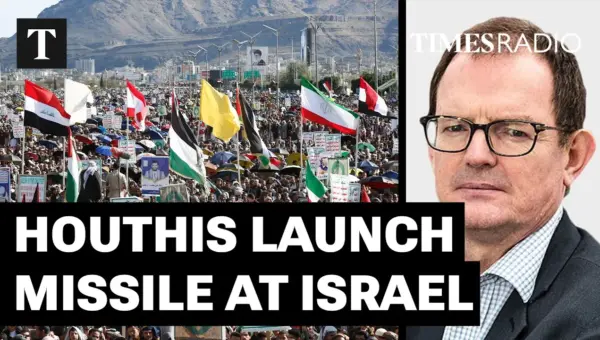
Yemen's Houthi group has fired a missile at Israel, signaling a potential escalation of the regional conflict. Meanwhile, Iran's powerful Islamic Revolutionary Guard Corps (IRGC) appears to be consolidating its control over the country's leadership following reported strikes. This shift places hardline figures at the forefront of decision-making.

Stocks Ignore War Risks, Focus on “Taco Moments”
Stock markets appear to be overlooking the severe supply chain risks stemming from the Iran conflict, focusing instead on potential diplomatic de-escalations. While the S&P 500 shows resilience, bond and commodity markets signal deep concern over disruptions to critical resources like LNG, helium, and fertilizers.

US Strikes Cripple Iran’s Military Might, CENTCOM Reports
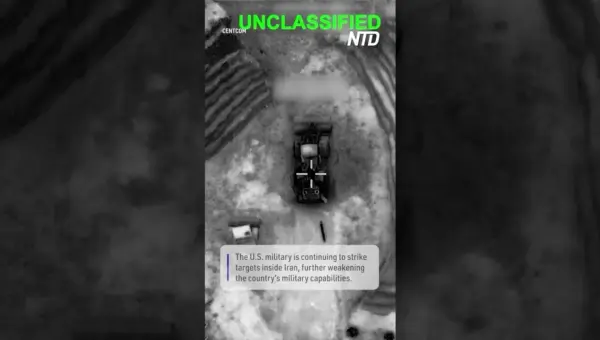
U.S. Central Command reports ongoing strikes inside Iran are significantly weakening its military power. This direct action aims to reshape regional security dynamics, but carries risks of escalation. The long-term impact depends on Iran's response and ability to adapt.