US-Iran Tensions: Diplomacy or Impending Conflict?
Amidst ongoing US-Iran negotiations, experts warn that vast differences in demands could lead to ground operations. Ilan Goldenberg explains that Iran can claim victory by successfully attacking just one oil tanker, highlighting the challenges of asymmetric warfare. The US military is reportedly preparing for decisive actions, but the effectiveness of such strikes remains questionable.

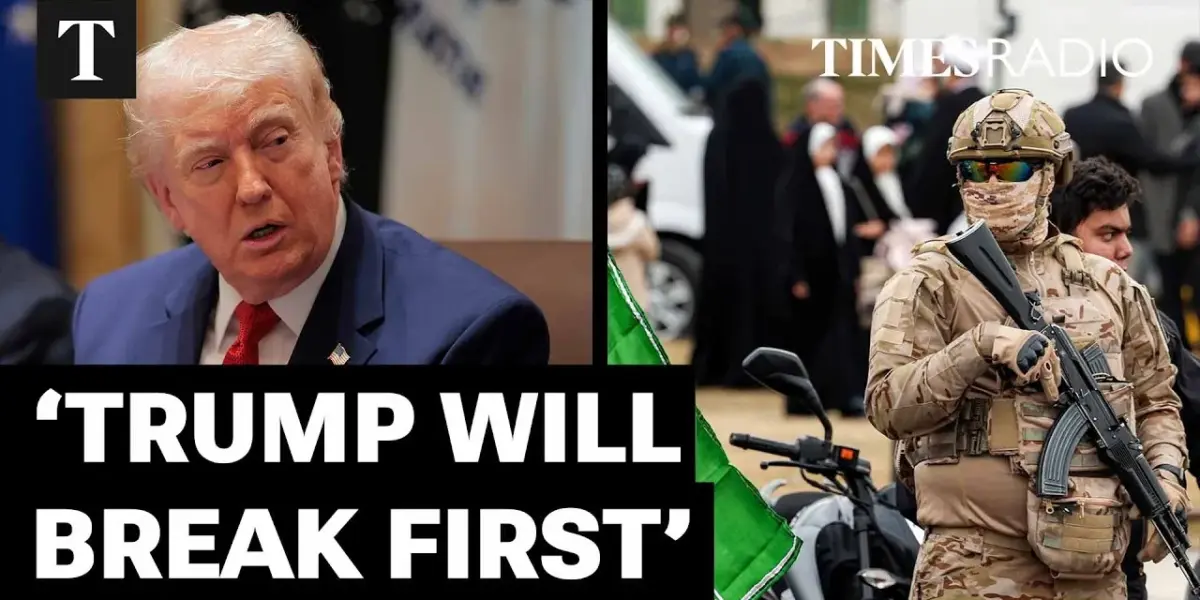
US and Iran in Talks Amidst Escalating Regional Tensions
The United States and Iran are currently engaged in negotiations aimed at de-escalating the ongoing conflict, according to confirmations from President Donald Trump and US Special Envoy Steve Wickoff. While the President has stated his indifference to the outcome of these talks, Secretary of State Marco Rubio has indicated that diplomatic efforts are continuing. “Some concrete progress has been made as you’ve seen and has been documented already,” Rubio noted, pointing to an increase in energy flow through vital shipping lanes. He described the exchange of messages as an “ongoing and fluid process,” suggesting that while progress is being made, the situation remains dynamic.
Military Buildup Fuels Speculation of Assault
Despite the focus on diplomacy, the US military is actively moving assets into the region. This buildup has led many observers to believe that an assault on Iran’s primary oil hub, Kharg Island, is imminent. Ilan Goldenberg, director of the Middle East Security Program at the Center for New American Security, expressed concern that the wide gap between US and Iranian demands could lead to ground operations.
Vast Differences in Negotiation Demands
Goldenberg highlighted the significant disparity in the proposals on the table. American demands reportedly include Iran abandoning its nuclear program, dismantling its missile capabilities, and ending support for regional proxies. Conversely, Iran’s stated position calls for the US to withdraw from the region and compensate Iran for damages incurred since the conflict began. “These are not realistic demands on either side,” Goldenberg stated. He warned that if the current diplomatic approach is maintained, the situation could quickly escalate towards ground operations.
Asymmetric Warfare: A New Dynamic
Goldenberg explained the complex nature of the conflict, comparing it to asymmetric warfare seen in past conflicts like Iraq and Afghanistan. He argued that in such scenarios, the stronger power (the US) must achieve total victory, such as toppling a regime or ensuring absolute regional security. In contrast, the weaker power (Iran) can achieve its objectives by simply surviving and occasionally inflicting damage. “All Iran has to do to win is make something blow up every once in a while and survive,” Goldenberg explained. This means that even if the US prevents 99% of attacks, a single successful strike on an oil tanker could be seen as an Iranian victory, driving up global oil prices and creating a narrative of US failure.
The “Winning” Condition for Iran
The core challenge for the US, according to Goldenberg, lies in this asymmetric dynamic. Even if the US military successfully defends against most attacks on oil tankers and infrastructure, a single successful Iranian strike—like an oil tanker exploding in the Persian Gulf—would be enough for Iran to claim victory. This is because Iran’s goal is not necessarily to win outright battles, but to survive and inflict enough disruption to alter the global narrative and put pressure on its adversary. “If the US succeeds in 99% of cases… and only one out of a hundred red Iranian missiles get through and that one missile causes an oil tanker to explode in the Persian Gulf, Iran is winning,” he stated.
Potential US Military Actions and Their Consequences
Options being discussed include military actions like seizing Kharg Island or smaller islands within the Strait of Hormuz. However, Goldenberg believes these actions are unlikely to achieve the desired effect. He suggests that Iran would likely respond by intensifying missile and drone attacks on oil infrastructure throughout the Gulf, further driving up oil prices. This could create a prolonged quagmire for the US, with no clear long-term plan for holding captured territory. “What’s much more likely to happen is Iran will just redouble its efforts to launch missiles and drones at critical oil infrastructure all over the Gulf to try to drive up oil prices,” he warned.
Who Will Break First?
When asked who might yield first, Goldenberg predicted that the United States, and specifically President Trump, would be the first to break. The exact timing, whether in a month, three months, or six months, remains uncertain. Goldenberg suggested that a wise course of action for Trump would be to declare victory and withdraw, framing it as having achieved objectives like setting Iran back and deterring nuclear weapons development, provided Iran ceases aggression and allows oil to flow. This, he believes, could potentially end the conflict relatively quickly.
Pentagon Prepares for “Final Blow” Options
Reports indicate the Pentagon is developing military operations for a decisive end to the conflict, exploring options for a “final blow” against Iran. These options include invading or blockading Kharg Island, or seizing ships exporting Iranian oil. Goldenberg, however, remains skeptical of such strategies. He argues that even a significant military action by the US could be countered by Iran launching drones and missiles, creating images of burning oil facilities that would serve Iran’s narrative of winning the global war. This mirrors past attempts in Iraq, Afghanistan, and Vietnam, where major escalations failed to deliver a conclusive victory against a less powerful, adaptable opponent.
Looking Ahead: Diplomacy or Escalation?
The coming weeks will be crucial in determining whether diplomatic channels can bridge the vast divide between US and Iranian demands or if escalating military preparations will lead to further conflict. The effectiveness of current negotiations, coupled with the potential for miscalculation or intentional escalation, will shape the future of the region.
Source: Iran Could Force Trump to Break First | Ilan Goldenberg (YouTube)

Related Articles

U.S. Iran Tensions Rise Amid Shifting Alliances
Rising tensions between the U.S. and Iran are creating a volatile geopolitical situation. With conflicting signals on de-escalation and potential shifts in alliances like NATO and U.S.-Israel relations, the path forward remains uncertain. The global economy and regional stability hang in the balance.
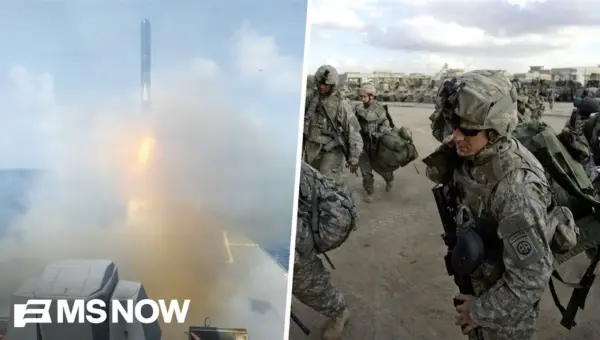
Iran Missile Strikes Injure US Troops, Raise War Concerns
Iranian missile strikes have injured U.S. service members, escalating tensions as the conflict nears one month. The attacks are raising concerns about the effectiveness of U.S. military strategy and the depletion of crucial missile stockpiles. Global oil prices have surged, impacting economies worldwide.

Trump Delays Iran Strike Deadline Amidst Shifting Diplomacy
President Donald Trump has extended his deadline for potential strikes on Iranian energy plants to April 6th, amid reports of U.S.-Iran diplomatic talks mediated by Pakistan. This move comes as Israel continues its strikes on Iran and the U.S. deploys additional military assets to the region. Analysts point to mixed signals, economic pressures, and strategic miscalculations as key factors shaping the evolving situation.