Iran War Exposes Energy Fragility, Spurs Green Shift
The war involving Iran has triggered a global energy crisis, exposing the fragility of fossil fuel dependence. Analysts suggest that the conflict makes a strong case for accelerating the transition to cheaper and more secure renewable energy sources, with Europe leading the way in adoption.

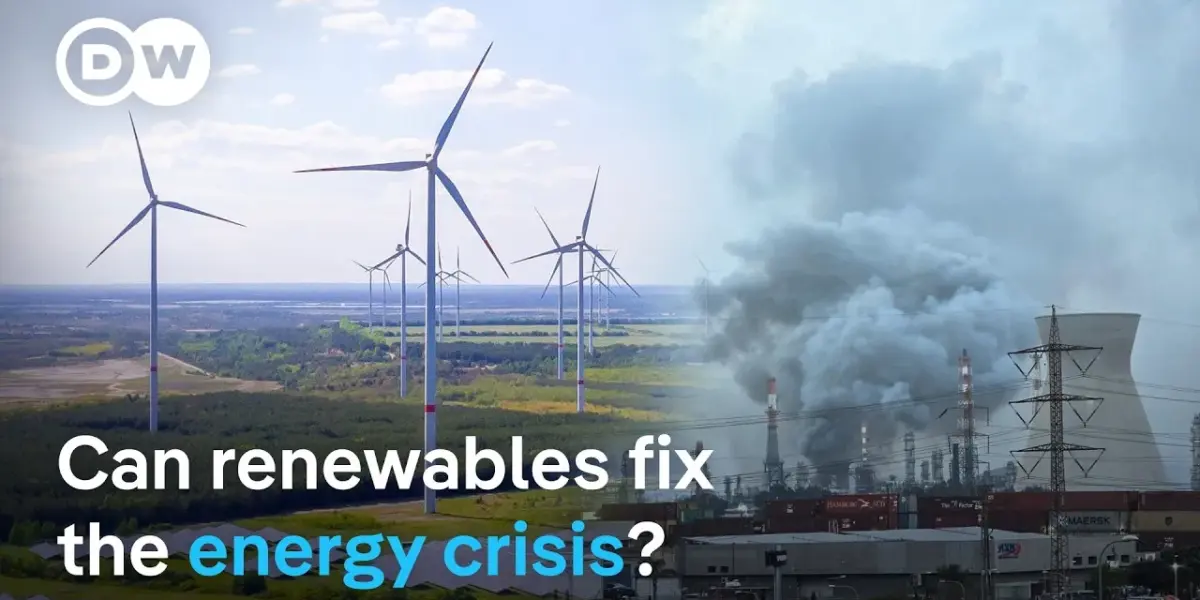
Global Energy Crisis Echoes 1970s, Fueled by Iran Conflict
The world is grappling with an energy crisis reminiscent of the 1970s oil shock, largely triggered by the ongoing conflict involving Iran. This instability has sent fuel prices soaring globally, from Asia to the Americas, highlighting the vulnerability of our current energy systems. Experts warn that supply chain pressures could worsen, raising concerns about potential breakdowns in energy delivery.
Fossil Fuel Dependence Fuels Economic Fragility
Energy analyst Anthony Frogot points out that modern economies are more fragile than in the past due to a persistent reliance on fossil fuels. Global consumption of these fuels has steadily increased, with a significant portion of supply coming from a small number of countries. This dependence is compounded by the fact that fossil fuels are not only used for energy but are also vital components in industries like petrochemicals and agriculture, impacting food security through their use in fertilizer production.
Historical Parallels: The 1970s Oil Crisis
The current situation draws parallels to the 1970s Yom Kippur War. That conflict led Arab nations to embargo oil supplies to allies of Israel, causing global oil prices to quadruple within months. Today, societies and economies remain heavily reliant on fossil fuels, which account for about 80% of global energy consumption. Oil and coal are major contributors, with natural gas also playing a critical role. A small group of exporting nations supplies the majority of the world’s oil and gas, creating inherent vulnerabilities.
Choke Points and Supply Chain Risks
The global energy system faces additional risks from strategic “choke points” – narrow waterways crucial for energy transport. The Strait of Hormuz, for example, is a critical passage for about 20% of global oil and liquefied natural gas (LNG). Disruptions in these areas, as seen with the Iran conflict, can have significant and immediate impacts on global energy flows.
Renewables Offer a Cheaper, More Secure Alternative
Analysts like Frogot argue that the current crisis underscores the urgent need for a complete overhaul of global energy systems, with a strong case emerging for renewable energy sources like solar, wind, and hydropower. Developing renewable energy is often more cost-effective than building new fossil fuel infrastructure. Frogot explains, “It’s cheaper to do renewables than it is to develop a new gas field, extract the gas, put it into a gas power station, and then put that onto the grid. Why not shortcut it? Buy the PV panels, put them in the system, and then you’re generating much cheaper forms of electricity.”
Europe Leads the Charge in Renewable Adoption
Despite the challenges of transitioning away from fossil fuels, significant progress is being made. The European Union (EU) has seen a remarkable shift, with solar and wind power collectively contributing more to the grid than fossil fuels for the first time in 2025. Renewable energy use in the EU has risen by 10%, now accounting for over 30% of total electricity consumption. Countries like Spain, which generates 60% of its energy from renewables, and Portugal, which met its entire energy needs from green sources last year, demonstrate the effectiveness of this transition in mitigating energy shocks.
Decentralization: The Future of Energy Grids
The shift towards renewables necessitates a move from large, centralized power plants to more dynamic, decentralized energy systems. This involves integrating smaller generation units, such as rooftop solar panels and local wind farms, into the grid. “You have to build out the grids,” Frogot emphasizes. “You are moving away from that centralized system into a more distributed system. So it is a transition that goes beyond just installing new solar panels or new wind turbines. You need to change the way in which the system operates.”
Pragmatic Steps for Short-Term Resilience
To build resilience against future energy shocks, experts recommend pragmatic steps. In the short term, behavioral changes can make a significant difference. This includes measures like reducing speed limits and minimizing energy waste, which have been shown to yield substantial savings. Governments can also review and enhance existing policies that were implemented to reduce fossil fuel dependence, drawing lessons from past crises, such as the response to Russia’s invasion of Ukraine.
Long-Term Commitment to Decarbonization
Looking long-term, maintaining a steadfast commitment to decarbonization goals, such as achieving net-zero emissions by 2050 as outlined in the Paris Agreement, is crucial. This objective is vital not only for mitigating the worst effects of climate change but also for providing investors with the certainty needed to fund the transition. “We need to give assurances to those investors that this is a serious objective and it’s not just something that politicians will throw out overnight,” Frogot states.
Looking Ahead: Global Resource Management
The ongoing conflict in Iran continues to highlight the fragility of global supply chains and the challenges of resource distribution. The push towards renewable energy offers a promising path toward greater energy security and economic stability. Future developments will likely focus on accelerating this transition, strengthening grid infrastructure, and fostering international cooperation to manage global energy resources more sustainably.
Source: Is the Iran war making a case for renewables? | DW News (YouTube)

Related Articles

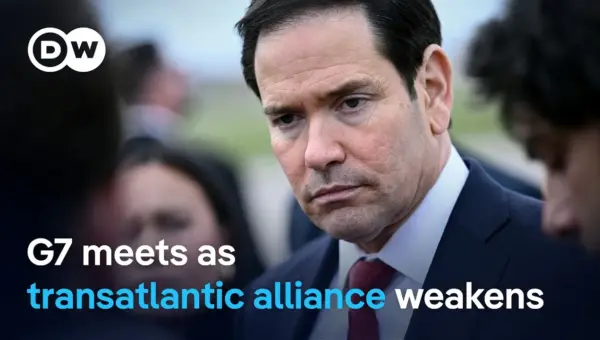
G7 Allies Clash Over Iran War Strategy, Urge Focus on Russia
G7 foreign ministers met in Paris, revealing deep divisions over the U.S. war with Iran. European allies urged the U.S. to pressure Russia, linking its actions to the conflict and fearing support for Ukraine will wane.

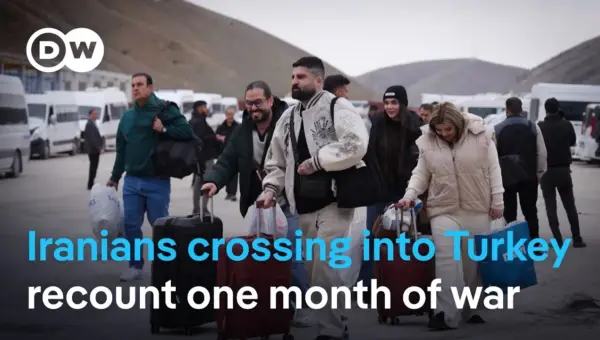
Iran War Exodus: Refugees Flee to Turkey Amidst Bombings
A train from Tehran brings refugees to Turkey, fleeing daily bombings and economic collapse. Many express deep fear for loved ones left behind, while some hold onto national pride and hope for victory. The conflict's impact is also felt economically in Turkey, with rising gas prices.


CPAC Divided: Trump’s Iran War Splits Conservative Base
The annual CPAC gathering in Texas revealed deep divisions within President Trump's base over the U.S. war in Iran. While some supporters trust Trump's strategy, others, particularly younger conservatives, worry about the conflict's impact on the "America First" agenda. The conference also saw a notable absence of President Trump and other high-profile figures, contributing to a different energy compared to previous years.