Markets Shudder as Iran Tensions Escalate
Stock markets tumbled as Iran tensions escalated, with the S&P 500 falling 1.5% and oil prices jumping 5%. The U.S. military is on high alert amid uncertain diplomatic progress and potentially steep demands from Iran.

Markets Tumble Amid Rising Iran Tensions
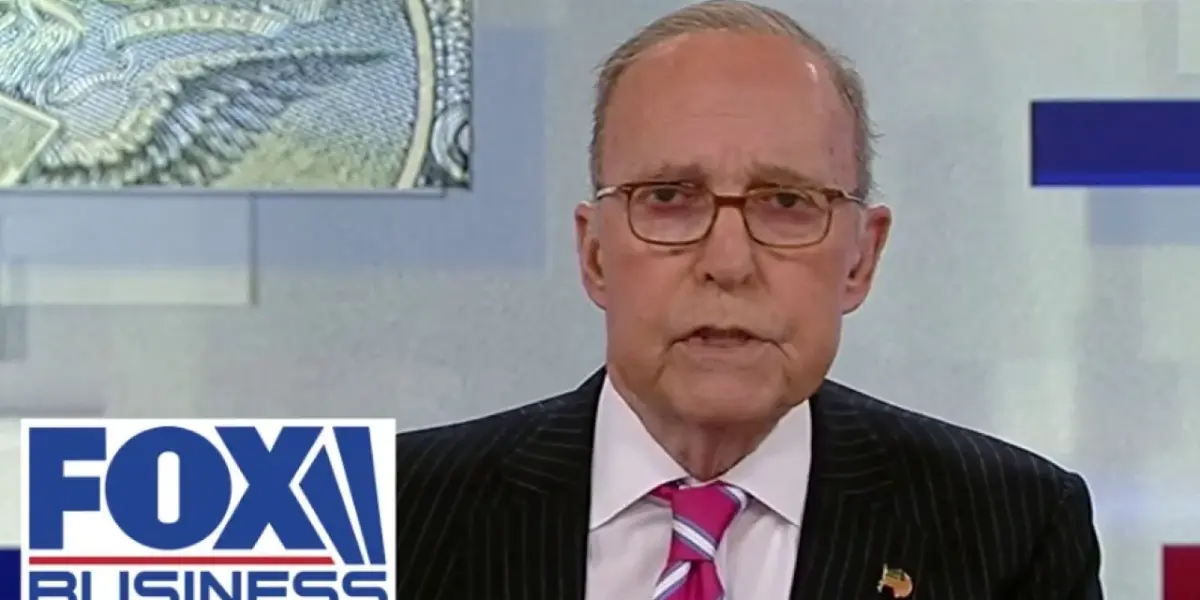
Stock markets took a significant hit yesterday as fears of a wider conflict with Iran grew. The S&P 500 index dropped 1.5%, while the tech-heavy Nasdaq saw an even steeper decline of over 2%. Meanwhile, oil prices surged by approximately 5%, reflecting investor anxiety about potential disruptions to global supply.
These market movements suggest that investors are pricing in the growing possibility of military action. While President Trump has expressed a desire for negotiators to find a deal with Iran, and views the passage of 10 oil tankers through the Strait of Hormuz as a positive sign, the situation remains highly uncertain. The administration has not definitively stated whether a crucial five-day deadline will be extended.
Military Buildup and Diplomatic Stalemate
The U.S. military is preparing for a potential escalation. Approximately a thousand paratroopers from the 82nd Airborne Division are being moved to the Persian Gulf region. Additionally, several thousand Marines and sailors, part of the 31st Marine Expeditionary Unit and Ready Group, have been deployed. This follows the earlier deployment of another 2,500 Marines.
Even as diplomatic efforts, reportedly involving figures like Steve Witkoff and Jared Kushner, are said to be underway, the military remains on high alert. Reports indicate that the U.S. military has been conducting strikes on Iranian military targets without interruption, even during a temporary ceasefire on Iranian power plants ordered by President Trump.
Iran’s Demands and U.S. Stance
Negotiations with Iran have been fraught with difficulty. During past discussions, Iran has insisted on its right to enrich uranium and claimed to possess 6% enriched material, enough for multiple nuclear weapons. Negotiators on the U.S. side, including Jared Kushner, reportedly believe Iran was merely attempting to buy time until a new U.S. presidential term.
The demands put forth by Iran have been described as unreasonable. These reportedly include demands for war reparations, sovereign rights over the Strait of Hormuz, and the withdrawal of all U.S. troops from the Middle East. These demands are widely seen as non-starters for the U.S.
President Trump has outlined 15 key points for any potential agreement. These include strict limits on uranium enrichment, the dismantling of all nuclear sites, and an end to support for proxy terrorist groups. There is also a strong emphasis on Iran’s missile program, with the U.S. likely demanding its complete destruction.
Military Options on the Table
General Jack Keane, a former Vice Chief of Staff of the Army, has pointed out that the U.S. military possesses the capability to achieve these objectives independently, even without a formal deal with Iran. This includes securing enriched uranium, reopening the Strait of Hormuz, and bombing key Iranian facilities like Kharg Island.
The possibility of a military push is evident, with the Pentagon reportedly preparing for such an eventuality. While the exact timeline remains unclear, the situation is being closely watched by global markets and policymakers.
What Investors Should Know
The escalating tensions with Iran are creating significant volatility in financial markets, particularly in oil and stock prices. Investors should be aware of the potential for further market fluctuations depending on the outcome of diplomatic efforts and any potential military actions.
The core issues revolve around Iran’s nuclear program and its regional activities. The U.S. stance, as outlined by President Trump, focuses on preventing Iran from developing nuclear weapons and curbing its support for terrorism. The military’s readiness to act underscores the seriousness of the situation.
Ultimately, the goal is to create a safer and more stable global environment. Whether this is achieved through a negotiated settlement or by other means, the outcome is expected to have significant implications for international relations and the global economy.
Source: Larry Kudlow: This is LUDACRIS (YouTube)

Related Articles

G7 Allies Clash Over Iran War Strategy, Urge Focus on Russia
G7 foreign ministers met in Paris, revealing deep divisions over the U.S. war with Iran. European allies urged the U.S. to pressure Russia, linking its actions to the conflict and fearing support for Ukraine will wane.

Iran Blocks China Ships, Exposing Beijing’s Weak Grip
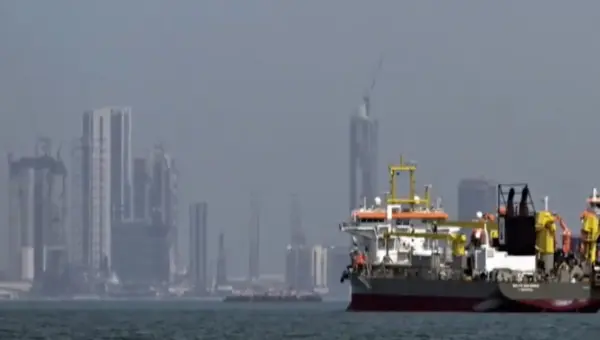
Iran's recent decision to block Chinese ships at the Strait of Hormuz is exposing the limits of Beijing's influence in the Middle East. This action is causing delays and cancellations for Chinese manufacturers, turning a perceived geopolitical win into an economic strain.
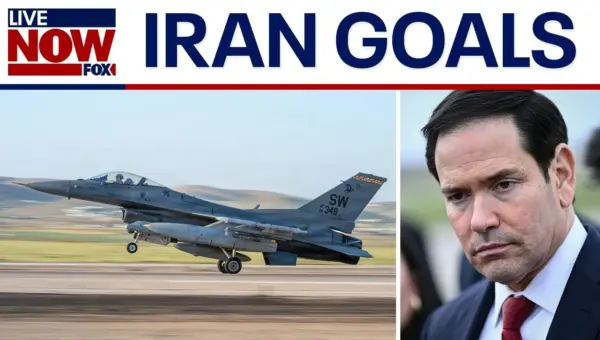
Rubio: US Can Achieve Iran War Goals Without Troops
Senator Marco Rubio outlined a strategy to counter Iran without deploying U.S. ground troops, focusing on weakening the regime and enhancing maritime security. He also criticized Cuba's economic system and expressed concerns about West Bank violence.