Trump’s Iran War Diverts Arms from Ukraine, Aids Russia
The U.S. is considering diverting critical weapons from Ukraine to the Middle East due to munitions depletion from the Iran conflict. This move could significantly weaken Ukraine's defense and inadvertently benefit Russia's ongoing war efforts, highlighting strained American military resources.

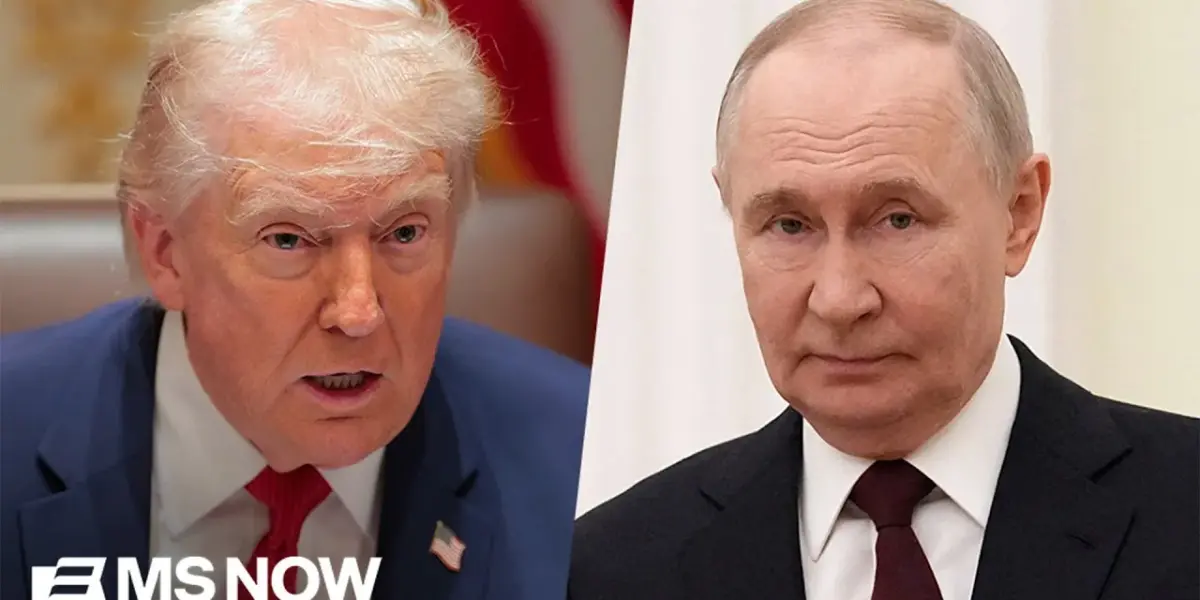
US Weapons Shift Threatens Ukraine’s Defense Amidst Global Commitments
A new report from The Washington Post reveals a critical shift in U.S. military strategy, as the Pentagon considers redirecting vital weapons intended for Ukraine to the Middle East. This move stems from the ongoing conflict with Iran, which has rapidly depleted some of the U.S. military’s most crucial munitions. The potential diversion includes air defense systems and missiles, raising serious questions about the strain on American resources and the implications for Ukraine’s ability to defend itself.
Strained Resources and Difficult Choices
The situation highlights a significant strain on U.S. military readiness. “It’s absolutely fair to say that there’s strained resources right now,” noted one analyst, emphasizing that the United States is involved in multiple global conflicts. The sheer volume of munitions consumed by the Iran conflict in a short period has created a “massive trade-off.” This depletion means that crucial supplies, like interceptors used by Ukraine to shoot down Russian missiles targeting civilian areas, could be rerouted.
General John Hertling, a former war planner, described the situation as “forgetting logistics,” which he warned could lead to losing engagements. He expressed concern that a thorough assessment of risks in other global regions may not have been conducted. “We’re spreading ourselves very thin, very thin, very thin,” Hertling stated, drawing parallels to past military planning where risks were carefully assessed.
A Gift to Russia?
The diversion of weapons from Ukraine is seen by some as a strategic advantage for Russia. As U.S. focus and resources are drawn to the Middle East, Russia’s war in Ukraine may face less direct pressure. “The other thing I’d say is, you know, we’re taking the place of what Russia is doing inside of Ukraine,” Hertling commented, pointing out the irony of the U.S. considering actions that could affect civilians, similar to criticisms leveled against Russia’s operations.
The report suggests that the conflict initiated by the Trump administration with Iran is inadvertently benefiting Russia by shifting global attention and military assets away from Ukraine. This creates a complex geopolitical scenario where U.S. actions in one region have direct consequences for another, seemingly playing into Russia’s strategic interests.
Broader Geopolitical Pressures
Beyond Iran and Ukraine, the U.S. faces other significant geopolitical challenges that demand military resources. The report mentions potential conflicts or tensions in areas like Venezuela, Cuba, and especially the defense of Taiwan against China. These commitments require substantial stockpiles of munitions, and the current consumption rates are making it difficult to maintain adequate supplies across all fronts.
“The cupboard is becoming increasingly bare when it comes to our ability to do that,” the analyst warned, underscoring the growing concern among military planners. The idea that the U.S. can engage in the Iran conflict without consequences is being challenged by the reality of diminishing critical supplies.
Internal Debates and Strategic Outlook
Within the administration, there appears to be a division on how to proceed. Some advisors, like conservative commentator Tucker Carlson, have reportedly argued for a less aggressive stance and a quicker withdrawal from the Iran conflict, suggesting a “draw” as the best possible outcome. This perspective emphasizes diplomacy and other elements of national power beyond military force.
However, the administration is also receiving pressure from pro-Israel and Israeli voices advocating for a more forceful and prolonged engagement in Iran. This internal tension is reportedly playing out in high-level meetings, with the President facing pressure to deny the difficult strategic position he is in. The differing views on the conflict’s goals and the best path forward create a complex decision-making environment.
Looking Ahead: A Draw or Deeper Involvement?
The situation remains fluid, with the U.S. caught between its commitments in the Middle East and its support for Ukraine. The decision on whether to divert weapons will have immediate and significant consequences for the conflict in Ukraine. Furthermore, the administration’s ability to manage its global military posture while facing multiple potential flashpoints will be a key factor in the coming months. The debate over applying diplomatic and political solutions versus relying solely on military might will likely continue to shape U.S. foreign policy.
Source: ‘A gift to Russia’: How Trump’s War with Iran has benefited Putin as focus shifts from Ukraine (YouTube)

Related Articles

China Fights Back: Tariffs Loom Ahead of Trump Visit
China is retaliating against US trade investigations that could lead to higher tariffs. This escalating trade tension occurs just before a planned visit by President Trump. The dispute involves accusations of unfair practices and impacts global supply chains.


Israelis Forge Resilience Amidst Constant Bomb Shelter Drills
Life in Israel is a blend of resilience and constant vigilance, with many families adapting to frequent bomb shelter drills and even sleeping in makeshift shelters. Despite ongoing missile attacks, Israelis strive to maintain normalcy, though businesses face disruption and emotional fatigue is a growing concern.


Israel Escalates Iran Strikes, Warns of Wider War
Israel has launched significant strikes inside Iran following continued missile fire, warning of further escalation. The conflict risks wider regional instability and economic disruption, especially concerning the Strait of Hormuz.