Putin Warns Oligarchs of Economic Crisis Ahead
Russia's Minister of Finance has warned top oligarchs of impending economic hardship, citing growing budget deficits and potential tax hikes. The meeting signals deep concerns within the Kremlin about the nation's financial stability amid ongoing conflict and international sanctions.

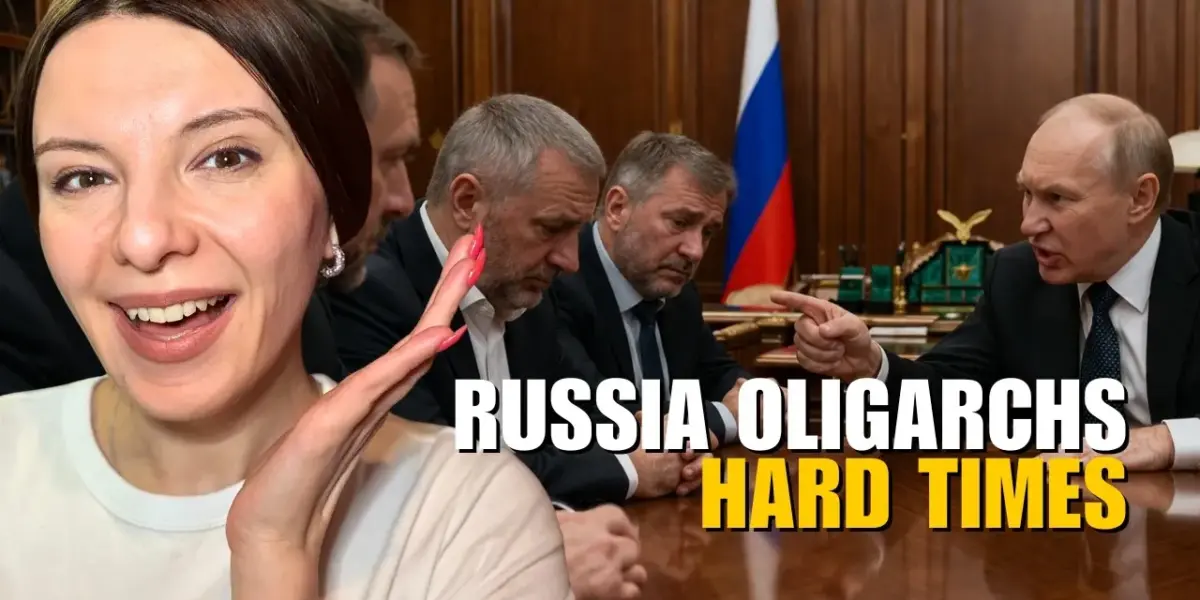
Putin Signals Looming Economic Crisis to Russian Oligarchs
Russia’s Minister of Finance recently met with the nation’s oligarchs to deliver a stark warning about difficult economic times ahead. This high-level meeting underscores growing concerns within the Kremlin about the sustainability of Russia’s economy, particularly as the conflict in Ukraine continues. The message delivered was far from optimistic, signaling that even those at the top of Russia’s economic structure are being prepared for significant hardship.
Concerns Over Budget Deficits and Tax Hikes
The oligarchs, who are crucial to supporting Vladimir Putin’s regime, expressed significant concerns about the future. Their primary question focused on the possibility of increased taxes in 2026. The Minister of Finance could not provide a clear answer, highlighting the growing deficit in the federal budget. This uncertainty suggests that even major Russian businesses, many of which have fallen from previous top rankings to become debtors, anticipate worsening economic conditions.
The Kremlin’s decision to communicate directly with these powerful figures, rather than the general population, indicates the gravity of the situation. Unlike ordinary citizens who may face internet restrictions, the oligarchs are seen as key stakeholders whose cooperation is vital. Their support has been instrumental in maintaining Putin’s grip on power for over 26 years, largely through access to natural resources and lucrative deals.
Impact of Sanctions and Global Economic Factors
The Minister of Finance urged the oligarchs to be cautious with their spending and prepare for upcoming turbulence. He also advised them against overconfidence regarding rising oil and gas prices. This caution stems partly from ongoing drone sanctions, which are impacting Russia’s oil refineries and export terminals like Primorsk. These disruptions significantly reduce Russia’s ability to offset financial losses.
The lifting of some sanctions, which has created a temporary window for increased oil and gas sales, is directly linked to the continuation of the war in Iran. However, this situation carries broader global risks. Experts warn of a potential worldwide financial crisis, possibly more severe than those seen in the 1990s or 2000s. If such a crisis occurs, Russia, with its limited financial reserves and lack of contingency plans, could face severe consequences. The global shift towards deficit modes and production halts would further isolate Russia’s energy exports.
Erosion of the Social Contract and Public Dissatisfaction
The current economic pressures are exacerbating existing public dissatisfaction within Russia. The traditional unspoken agreement between the Kremlin and the population, where citizens traded freedoms for perceived stability, appears to be breaking down. Many Russians are reportedly angry that Putin is not addressing their concerns, feeling abandoned and neglected.
Specific grievances include issues with salaries, difficulties accessing the internet and communication services, and the inability to conduct everyday transactions online. These problems are fueling protests in various regions. The decision to shut down internet access for ordinary citizens is seen by some as a major misstep by the Kremlin, hindering communication and contributing to public frustration. The situation suggests that the economic flank, historically a weak point for Moscow, could play a significant role in destabilizing Putin’s regime, much like it contributed to the collapse of the USSR.
Broader Geopolitical Context and Future Outlook
The warnings issued to the oligarchs highlight a palpable fear within the Kremlin about impending challenges. The meeting serves as a direct communication from the highest levels of government to the key decision-makers in Russia’s economic and political spheres. The message suggests that the current economic strategy, reliant on volatile global energy markets and sustained by the oligarchic system, is becoming increasingly untenable.
As Russia faces internal economic strain and potential global financial instability, the resilience of Putin’s regime is being tested. The discontent among both the elite and the general population, fueled by economic hardship and perceived neglect, could create significant internal pressure. The ongoing conflict and its associated economic consequences continue to be a critical factor shaping Russia’s domestic stability and its position on the world stage.
Source: PUTIN SIGNALS ECONOMIC COLLAPSE: KREMLIN WARNS OLIGARCHS Vlog 1360: War in Ukraine (YouTube)

Related Articles
Ukraine Strikes Cripple Russian Oil Exports
Ukrainian drone strikes are crippling Russia's oil exports and damaging its economy, leading to falling domestic support for President Putin. The targeted attacks on refineries and terminals aim to cut off war funding and have significant geopolitical consequences.
Russia’s TV Dreams of Dividing Europe
Russian state television broadcasts increasingly aggressive rhetoric, discussing the division of Europe and dismissing Ukraine's statehood. This contrasts with battlefield realities and official diplomatic stances, highlighting a dual strategy of projecting strength and seeking geopolitical advantage. Analysts warn that these televised fantasies ignore the ongoing war and Ukraine's fight for sovereignty.
Ukraine Strikes Russian Oil Hubs, Straining War Funding
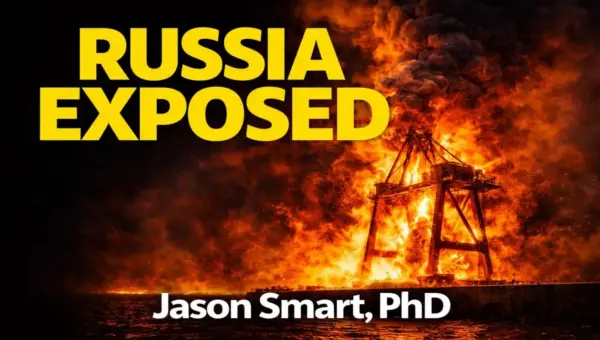
Ukraine's repeated strikes on Russian oil export terminals are targeting the financial backbone of Moscow's war machine. These attacks aim to cripple Russia's revenue streams and force a costly defense of its energy infrastructure, creating significant economic and political pressure on the Kremlin.