Britain Targets Russian Oil Fleet Amid NATO Discord
Britain is authorizing its forces to board and seize Russian oil tankers, known as the 'shadow fleet,' in UK waters to cut off war funding. This unilateral action highlights growing discord among NATO allies, with the US taking a different approach and concerns rising over military readiness.

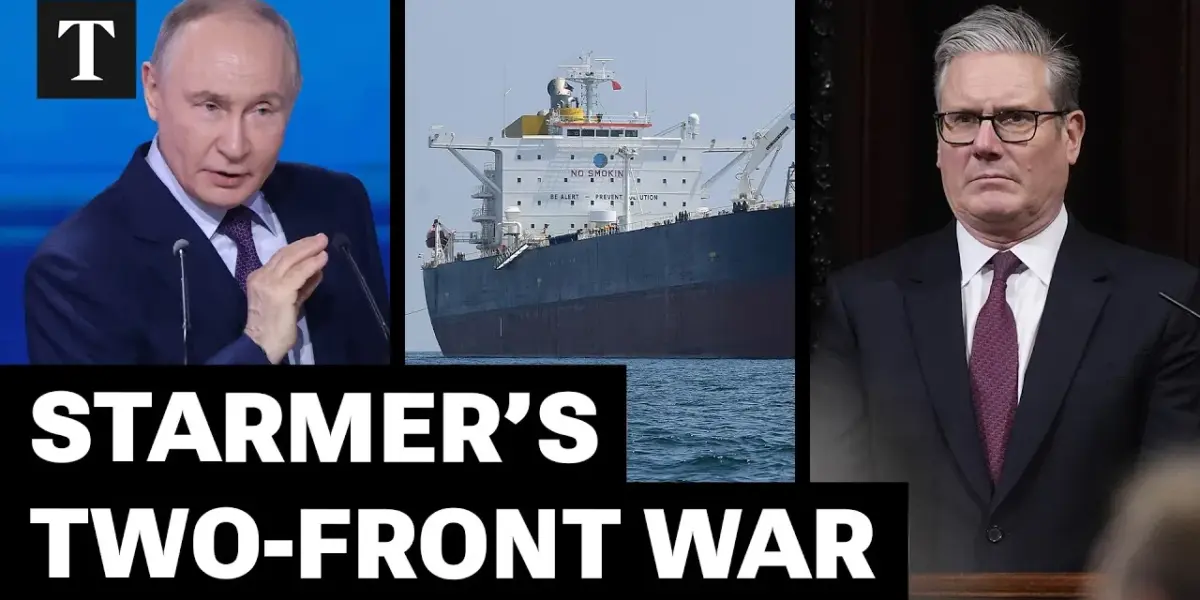
Britain Takes Aim at Russian ‘Shadow Fleet’
Britain is taking a significant step to disrupt Russia’s oil trade, which funds its war effort. Prime Minister Rishi Sunak announced that British forces are now authorized to board and seize Russian oil tankers, known as the ‘shadow fleet,’ passing through UK waters. This action allows for unilateral interdiction, meaning Britain can act on its own terms and at times and places of its choosing. The announcement comes as the UK faces increasing pressure to act more decisively against Russia’s economic support for the conflict in Ukraine.
Why Target the Shadow Fleet?
These aging, often poorly maintained tankers are crucial for Russia. They carry about 75% of the country’s oil exports, bypassing Western sanctions. By targeting this fleet, Britain aims to cut off a major source of funding for President Putin’s war machine. Defense Secretary John Healey stated that Russia has been providing intelligence and training to Iran, including on drone and electronic warfare technology. He believes Putin wants the Middle East conflict to distract from his own aggressive actions, and the UK will not allow this.
Challenges and Delays
The decision to act against the shadow fleet has been a long time coming. Defense editors noted that this action was expected about two and a half months ago. There are still many unanswered questions about the practicalities of these seizures. It remains unclear where the intercepted tankers would be taken or what would happen to their crews. Legal complexities have been a major hurdle, contributing to the delay in greenlighting the operation. While Britain plans to target these vessels, it’s acknowledged that stopping all of them is impossible due to their sheer number.
Diverging Allied Approaches
The situation is complicated by differing strategies among NATO allies. While Britain is taking a hard line, the United States has adopted a different approach, allowing these Russian oil ships to travel freely. This divergence is causing concern among European officials. Some fear that American military resources are being diverted to the Middle East crisis, potentially impacting deliveries to Ukraine. This shift in focus and resources could ultimately benefit Russia, as highlighted by the rising oil prices that Putin reportedly welcomes.
Concerns Over Military Strength
Adding to the geopolitical tensions are internal concerns about the strength of Britain’s own military. Former President Donald Trump has been critical of British military assets, including aircraft carriers, calling them ‘toys’ compared to American capabilities. While Trump’s comments are often seen as dismissive, they touch upon a broader anxiety. Reports indicate that the Royal Navy is facing significant challenges, with only one of its six destroyers currently operational. This limited capacity has forced Germany to step in and lead a NATO maritime task force that Britain was expected to command.
Broader Implications for Ukraine and Europe
The discord within NATO and the diversion of resources raise serious questions about the long-term support for Ukraine. Experts suggest that if the US cannot provide the promised weaponry, Ukraine may escalate its own long-range strikes inside Russia. Europe is being urged to step up its own efforts to support Ukraine and potentially help finance the development of new weapons. The current situation, with allies pulling in different directions and resources being rerouted, is seen as a win for Russia, potentially weakening the collective Western front against aggression.
What’s Next?
The success of Britain’s interdiction efforts against the Russian shadow fleet will be closely watched. Further questions remain about the potential for Russian naval interference and the legal ramifications of seizing tankers. The ongoing debate about military spending and capability within NATO will also continue. As the Middle East conflict evolves and its impact on aid to Ukraine becomes clearer, the unity and effectiveness of the Western alliance will be put to the test. The coming weeks will reveal whether these new actions can truly put pressure on Putin or if they represent another instance of delayed and insufficient response.
Source: 'Nato Is Falling Apart Before Our Eyes' | Edward Lucas (YouTube)

Related Articles

Ukraine’s New Strategy Cripples Russian Oil Exports
Ukraine's new multi-layered strategy is rapidly disabling Russia's oil export capabilities. By attacking loading facilities and working with allies to intercept the "shadow fleet," Ukraine is significantly reducing Russia's oil revenues, even amidst rising global energy prices.

Trump’s War Talk Stuns Financial Crowd
Donald Trump's recent speech in Miami focused on his foreign policy, particularly his critical views on NATO and his vision for international relations. He declared the U.S. would no longer defend NATO allies, questioned the value of existing alliances, and suggested renaming the Strait of Hormuz. The speech also touched on his personal views of success, his allies, and his perceived role as a global peacemaker.
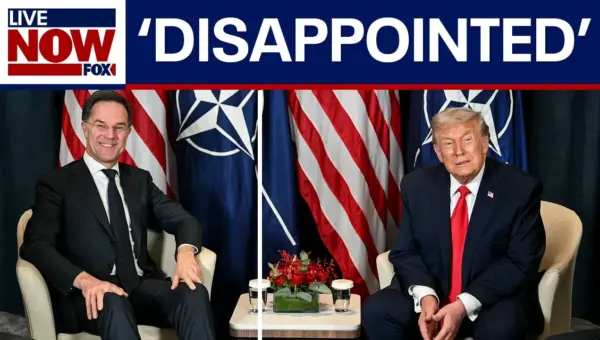
Trump Critical of NATO as Iran Conflict Escalates
President Trump voiced frustration with NATO's lack of involvement in the Iran conflict while the U.S. military prepares for a sustained campaign. Reports indicate significant damage to Iran's military, but tensions remain high with ongoing missile strikes and a recent attack on a Saudi air base wounding U.S. personnel.