Germany Faces Reform Crisis Amidst Far-Right Surge
Germany is struggling with political paralysis and deep social divides, fueling the rise of the far-right AfD. Analysts believe reforms are inevitable but difficult to implement due to public resistance and government credibility issues. Economic pressures may force the government's hand, but the path forward remains uncertain.

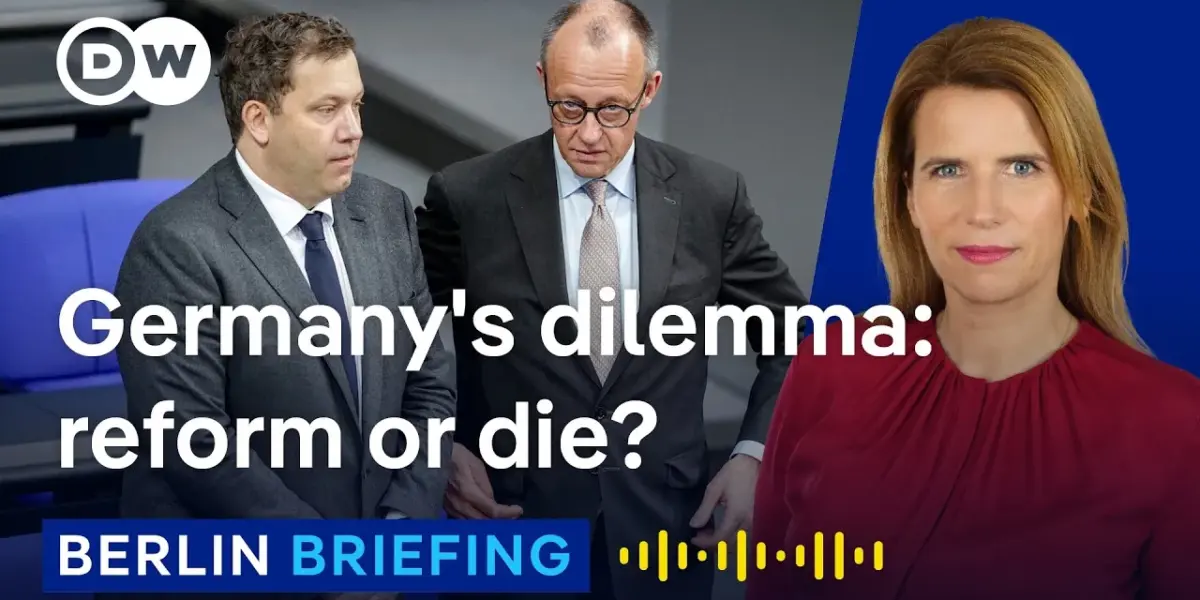
Germany Grapples with Reform Paralysis as Far-Right Gains Ground
Germany’s ruling parties are facing a critical moment as voters express dissatisfaction, leading to a surge in support for the far-right Alternative for Germany (AfD). In a recent podcast, analysts discussed the nation’s struggle to enact necessary reforms, caught between economic challenges and deep social divisions. The question is whether Germany can reform its way out of this political and economic rut, or if the AfD’s growing popularity signals a fundamental shift in the country’s political landscape.
The ‘Stuck in a Rut’ Diagnosis
Lars Klingbeil, co-leader of the Social Democrats (SPD), recently described Germany as being “far too entrenched in many areas” and “a country stuck in a rut.” He lamented that every proposal to change the status quo faces strong opposition. This sentiment echoes a broader concern about political paralysis, where deep-seated issues prevent meaningful change.
Economic Woes and Social Divisions Fuel Discontent
Marcel Fracher, director of the German Institute for Economic Research, highlighted that Germany’s main problem is a “mental depression,” a concept first raised decades ago. This goes beyond economic transformation, such as the automotive sector lagging behind global competition. Germany is also increasingly divided socially, with rifts appearing between rural and urban areas, young and old, and East and West.
These economic difficulties and social divisions create justified concerns, especially for those less flexible or with less education. This mix makes enacting reforms extremely challenging. The government faces a credibility problem, having made unrealistic promises during the last election campaign, such as tax cuts and increased social spending. Voters remember these promises, making it difficult for the government to push through austerity or necessary changes now.
Internal SPD Divisions on Reform Path
Max Hoffman, Berlin bureau chief covering the SPD, noted that the party itself is divided on how to respond to recent electoral losses. While some, like Klingbeil, advocate for a more centrist, governing approach and the need for Germans to work more, others lean left and believe the party needs to sharpen its profile by moving further left. This internal conflict complicates the SPD’s ability to present a unified reform agenda.
Klingbeil’s call for Germans to work more is a significant shift from past SPD positions, aligning more with the conservative CDU. This suggests a sense of urgency within his faction, believing they have “nothing left to lose” and must pursue what they believe is right, even if it means confronting the party base.
The AfD’s Rise: The New Workers’ Party?
Matt Moore, a correspondent covering the AfD, explained how the party is effectively capitalizing on this discontent. Recent regional elections showed the AfD doubling its vote share in western states, a region historically less favorable to the party. This suggests a significant shift, with many former SPD voters now supporting the AfD.
The AfD is performing particularly well among unemployed individuals and those in low-income households. The party frames itself as the true “workers party,” arguing that the SPD is too weak to enact the necessary reforms. This narrative is appealing to voters who feel left behind and perceive a lack of fairness in the economic system.
The Paradox of AfD’s Policy Appeal
Fracher pointed out the irony that the AfD’s proposed policies, if enacted, would likely harm its own voters the most. The party advocates for extreme libertarian policies, including tax cuts and reduced social security contributions, which would disproportionately affect lower-income individuals.
Moore added that studies suggest AfD voters often feel a sense of “relative deprivation.” Even if their personal situation is good, they believe others, perhaps those not working as hard, are doing better. This breakdown in the perceived fairness of the economy fuels support for the AfD’s anti-establishment message.
The Inevitability of Reform, The Difficulty of Acceptance
Analysts agree that fundamental reforms are inevitable for Germany’s long-term health. However, the fear is that German society, and the current government, are not yet ready to accept the sacrifices required. Reforms are typically possible only when people are acutely aware of the difficulties and the need for change.
The government’s current credibility issues, stemming from unrealistic campaign promises, make it harder to build consensus for tough decisions. The public’s willingness to accept tax increases or cuts to social benefits is low. Until there is a widespread understanding that everyone must contribute, meaningful reform remains a distant prospect.
Economic Pressures Force Government Action
The economic reality, including a significant budget deficit and slowing growth, is expected to force the government’s hand. Fracher noted that the government must bridge a gap of approximately 30-35 billion euros in the federal budget. With lower growth leading to reduced tax revenues, the pressure to either raise taxes or cut spending will intensify.
This economic pressure may compel the government to act, preventing it from simply “muddling through.” However, the challenge lies in implementing reforms that are not only necessary but also politically feasible within the coalition and acceptable to the public.
What Comes Next?
The coming months will be crucial for Germany’s political parties, particularly the SPD, to define their reform agendas and address the growing public discontent. The ability of leaders like Lars Klingbeil to unite their party and convince voters of the necessity of difficult reforms, while countering the AfD’s populist appeal, will be key. The economic realities, coupled with the ongoing social divisions, ensure that the debate over Germany’s future direction will remain intense.
Source: Can Germany reform its way out of the rise of the far right AfD? | Berlin Briefing Podcast (YouTube)

Related Articles

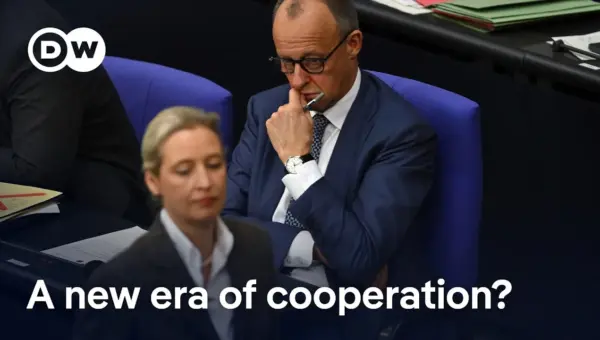
Germany’s Anti-AfD Firewall Crumbles Amidst Shifting Politics
Germany's political 'firewall' against the far-right AfD party is showing significant cracks due to rising AfD popularity and recent instances of cooperation. Historically rooted in Germany's experience with Nazism, the firewall aimed to prevent extremist parties from gaining power. However, shifts in the AfD's rhetoric and increased AfD strength, especially in eastern Germany, are challenging this long-standing political norm.

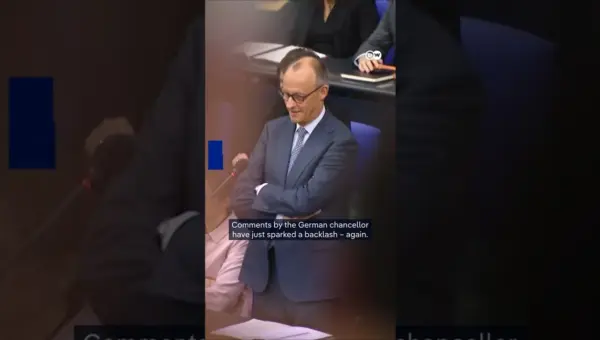
German Chancellor Links Violence Against Women to Migration
German Chancellor Friedrich Merz has sparked controversy by linking an increase in violence against women to migration. Official figures show a rise in domestic and digital violence, with non-Germans overrepresented as suspects, though critics argue this oversimplifies the issue and ignores the majority of German perpetrators.
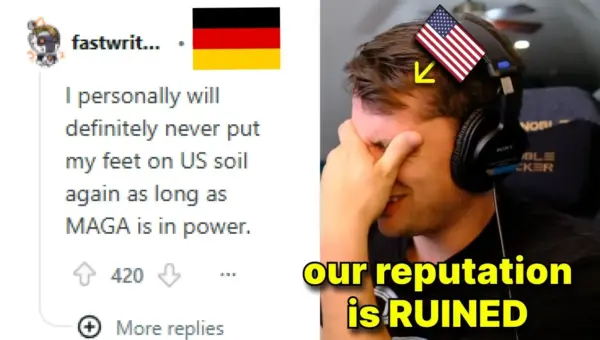
US Tourism Dips: Why Are Germans Turning Away?
German travelers are increasingly avoiding the U.S., citing concerns over political instability, safety, and gun violence. This has led to significant cuts in flights and a drop in demand, impacting the tourism industry. While America's natural beauty is still appreciated, current perceptions of unrest make it an unappealing destination for many.