War Opposition Unites Americans, Dims President’s Hopes
Widespread opposition to a potential war with Iran is uniting Americans across party lines, significantly impacting President Trump's approval ratings. The conflict's economic fallout, including rising gas prices and increased costs for essential goods, is fueling voter discontent and shifting focus to domestic issues ahead of the elections.

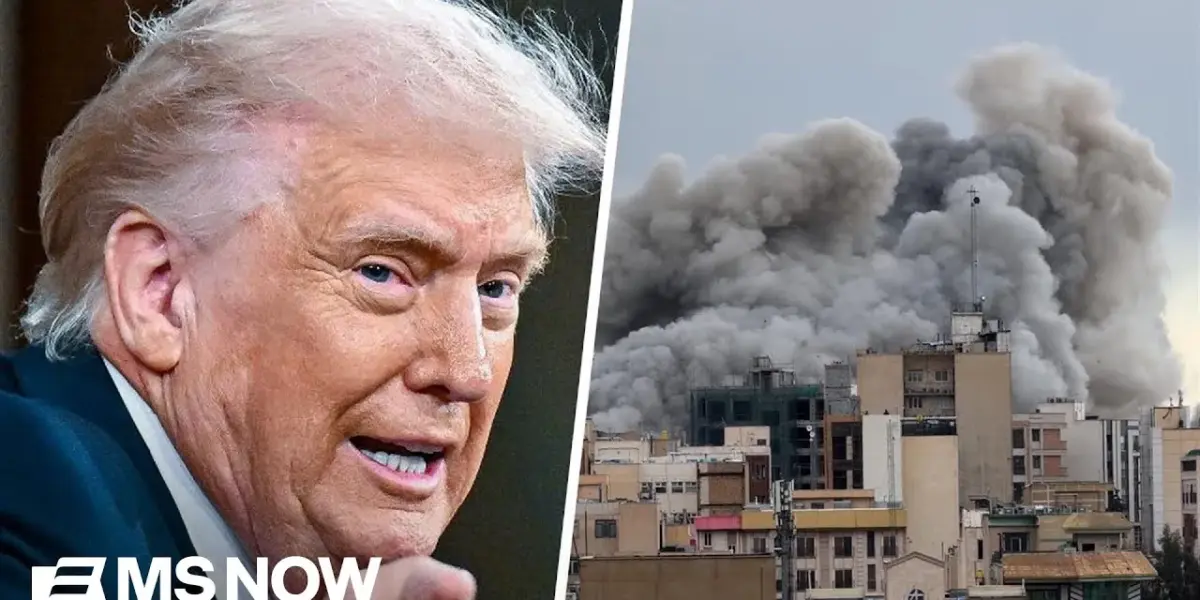
Nation Rallies Against Iran Conflict Amid Economic Woes
A growing opposition to a potential war with Iran is emerging as the single issue uniting Americans across the political spectrum, according to insights from a recent discussion involving an Iraq War veteran and political analysts. As military tensions escalate in the Middle East, with missiles flying and U.S. bases on high alert, the conflict’s unpopularity at home is increasingly impacting President Trump’s standing, particularly among independent and Republican voters. This widespread discontent stems not only from the immediate dangers of war but also from its significant economic consequences, which are hitting American households hard.
Escalating Tensions and Unintended Consequences
The situation in the Middle East has become increasingly volatile. Thirteen U.S. bases have faced evacuation due to missile and drone threats, while Israel is engaged in conflict in Lebanon. The potential for further escalation, including the deployment of ground troops, looms large. Despite President Trump’s statements about seeking an “off-ramp” and winding down operations, troop deployments to the region are increasing. This mixed messaging, coupled with the ongoing “missile and drone threats,” suggests the situation has moved beyond easy control, a sentiment echoed by the veteran who noted, “When you upset the hornet’s nest, the hornets decide when it’s over.”
Economic Fallout Hits Home
Beyond the geopolitical risks, the Iran conflict is exacting a heavy toll on the U.S. economy. Analysts point to soaring gas and natural gas prices as direct consequences of the instability, with destroyed infrastructure contributing to long-term price hikes. For many Americans, especially those in rural areas like the Midwest, these rising costs are not an abstract concern but a daily reality. Farmers, who plan their operations months in advance, are facing “through the roof” expenses for everything needed to produce food. This economic pain is being felt acutely, and there’s little expectation of relief anytime soon, making farmers a key voting bloc to watch.
Poll Numbers Reflect Growing Discontent
The growing opposition to the war is visibly affecting President Trump’s approval ratings. Poll numbers are reportedly dropping, with independents and Republicans showing significant dissatisfaction. “This is the one thing actually unifying Americans right now is their opposition to the Iran war,” one analyst stated. This trend is particularly striking because these voter groups have often shown leniency towards the President on other issues. The war’s unpopularity predates its start and continues to be a significant drag on public support, making any diplomatic or military resolution unlikely to significantly boost the President’s standing.
Voters Prioritize Domestic Issues
As the election approaches, voters are increasingly focused on domestic concerns over foreign conflicts. Surveys indicate that issues like healthcare, the cost of living, housing affordability, and gas prices are at the forefront of people’s minds. The war in Iran, while disliked, does not rank as a top priority for most Americans. This disconnect poses a challenge for the administration, as voters question why resources and attention are being directed towards overseas conflicts when significant issues remain at home. The administration’s repeated assurances that prices will fall are met with skepticism, especially by those who have already absorbed the financial shock.
Erosion of Trust and Shifting Alliances
The conflict is also raising concerns about President Trump’s ability to maintain his core coalition. His promises to avoid new wars and end existing conflicts appear to be eroding trust, particularly among the Republican base and independent voters. This disillusionment is fueling a surge in anti-war sentiment, with protests planned across the country. Notably, these demonstrations are attracting a diverse range of participants, from traditional Republican figures to ordinary citizens in smaller towns, indicating a broad-based opposition. Furthermore, allies in the Gulf region are reportedly expressing alarm, potentially leading to a retraction of investments in the U.S., adding another layer of complexity to the unfolding crisis.
Looking Ahead: The Path Forward
The coming months will be critical in determining the trajectory of both the Iran conflict and its impact on the upcoming elections. With widespread public opposition and significant economic headwinds, the administration faces immense pressure to address domestic concerns and de-escalate tensions abroad. The effectiveness of any proposed solutions, particularly regarding economic relief and a clear strategy for Iran, will be closely scrutinized by voters. The upcoming protests and continued shifts in public opinion will likely shape the political narrative as the nation grapples with the dual challenges of foreign policy and domestic well-being.
Source: Opposition to Iran war is the 'one thing unifying Americans': Iraq War Veteran (YouTube)

Related Articles

House Funds DHS Short-Term, Senate Stalemate Looms
The House has passed a short-term bill to fund the Department of Homeland Security, but the Senate is expected to reject it. This temporary measure highlights ongoing political divisions and the challenges in reaching long-term budget agreements in the U.S. Congress.

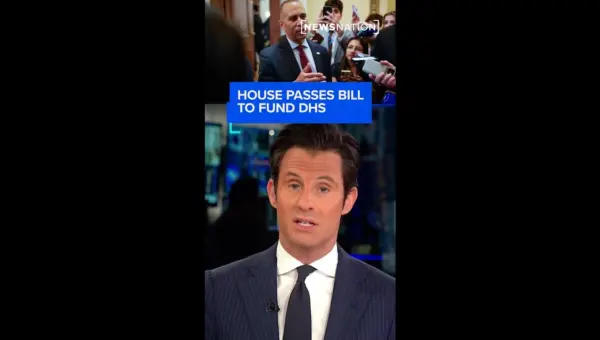
Congress Stalemate Threatens Border Security Funding
The U.S. House passed a temporary funding bill for the Department of Homeland Security, but Senate Democrats are expected to block it. This recurring stalemate highlights deep divisions over border policy and funding, potentially impacting national security and international perceptions of U.S. stability.


Americans Rally for Democracy Amidst War and Economic Woes
Thousands of Americans are participating in "No Kings" rallies nationwide, demanding accountability from leaders and drawing parallels to historical movements that spurred significant change. The protests occur amidst a controversial war with Iran, economic uncertainty, and a partial government shutdown. Organizers emphasize solidarity, joy, and the power of collective action in defending democracy.