Army Lifts Age Ceiling, Eases Pot Rules for Recruits
The U.S. Army has raised its maximum enlistment age to 42 and eased rules on past marijuana use. These changes aim to address ongoing recruiting shortfalls by broadening the pool of eligible candidates and adapting to societal shifts.

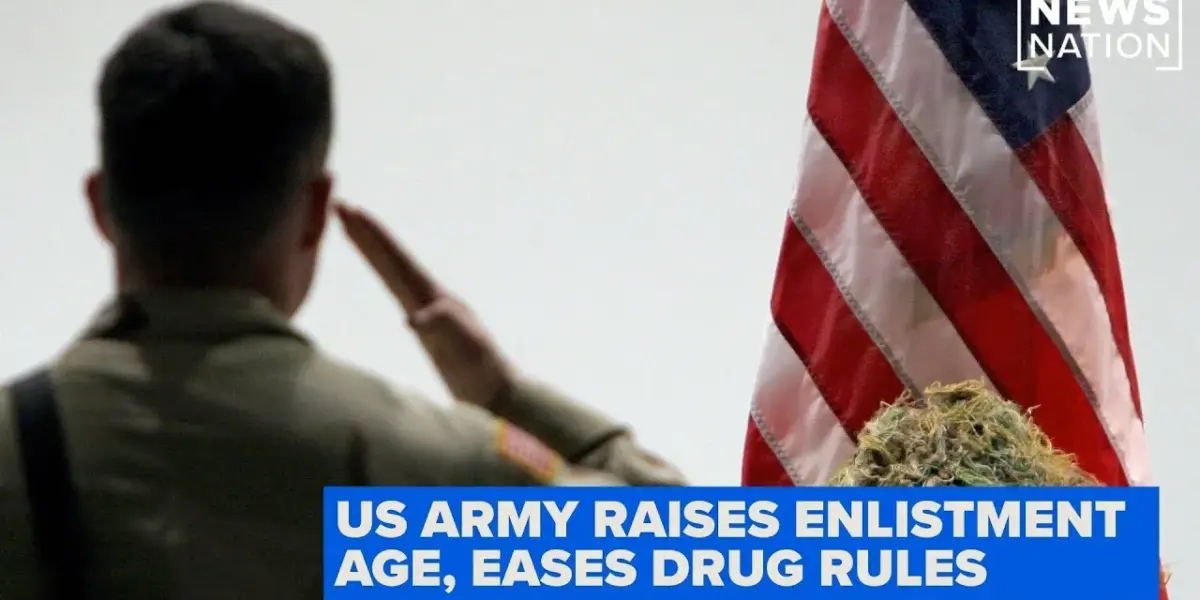
Army Expands Reach: Age Limit Raised, Marijuana Rules Eased
The U.S. Army is making significant changes to who can join its ranks. The maximum enlistment age has been pushed up to 42. This move opens the door for many more Americans who previously could not join because they were too old. At the same time, the Army is relaxing its rules regarding past marijuana use. These steps are part of a major effort to find enough new soldiers in a challenging recruiting environment.
Widening the Recruitment Pool
For years, the Army has struggled to meet its recruiting goals. This difficulty is partly due to a smaller pool of young people eligible for military service. It’s also because many young people don’t see the military as a viable career path. The new policy directly addresses this problem by making more people eligible. Raising the age limit to 42 means people who might have missed the old cutoff can now consider serving. This could include individuals with valuable job skills or life experience gained later in life.
Revising Marijuana Policies
The Army is also changing its stance on past marijuana use. Previously, any history of marijuana offenses often required a special waiver to join. These waivers were difficult to get and stopped many qualified people from enlisting. Under the new policy, some applicants with past marijuana violations will no longer need a waiver. This removes a significant barrier. Army leaders say these changes reflect how attitudes toward marijuana are changing across the country. Many states have legalized marijuana for medical or recreational use. The military is adjusting its policies to match these societal shifts and to attract a broader range of candidates.
Motivations Behind the Changes
The primary motivation for these adjustments is clear: the Army needs more recruits. Competition for talent is fierce, not just from other military branches but also from the civilian job market. By increasing the age limit and softening marijuana rules, the Army hopes to attract individuals with diverse backgrounds and experiences. Older recruits might bring maturity, leadership skills, and specialized knowledge from their civilian careers. Similarly, easing marijuana rules acknowledges that past youthful indiscretions shouldn’t disqualify someone from serving their country, especially when those actions are becoming more accepted in society.
Global Impact
While these changes primarily affect U.S. military recruitment, they hint at broader trends. The U.S. military is the largest and most technologically advanced in the world. Its ability to maintain its strength is crucial for global security and U.S. foreign policy. Any challenges in recruitment can have ripple effects on military readiness and its capacity to project power. The Army’s willingness to adapt its policies shows how military organizations must evolve to meet modern challenges. This includes adapting to changing social norms and economic conditions. The move also signals a pragmatic approach, prioritizing capability and willingness to serve over strict adherence to outdated regulations.
Historical Context
The U.S. military has a long history of adapting its enlistment standards. During times of war or high demand, standards have often been lowered or modified to ensure sufficient troop numbers. For instance, during World War II, the age limits and physical requirements were adjusted. Similarly, policies on issues like drug use have evolved over time. What was once considered an automatic disqualifier may become less so as societal views change. The Army’s current actions are part of this ongoing process of military adaptation. They are responding to contemporary societal changes and recruitment realities.
Economic Considerations
Recruiting challenges often have an economic dimension. A strong economy with plentiful jobs can make military service less attractive, especially for those seeking stable employment and benefits. The Army offers a steady paycheck, healthcare, and educational opportunities, which are always valuable. However, when civilian job markets are booming, the military must work harder to compete. By making it easier to join, the Army aims to secure the human capital needed to fulfill its mission. This is an investment in national security that requires understanding and responding to economic incentives for potential recruits.
Future Scenarios
These policy changes could lead to a significant increase in qualified applicants. This would help the Army meet its personnel needs for the coming years. However, it’s also possible that the impact might be less dramatic. Some older applicants may find the transition to military life challenging. Others might still be hesitant due to the relaxed marijuana rules, even if they are no longer an automatic barrier. The Army will need to monitor the effectiveness of these changes closely. Further adjustments may be needed based on recruitment numbers and the performance of new enlistees. The long-term success will depend on how well these new soldiers integrate and contribute to the force.
Source: Army raises maximum enlistment age, softens marijuana rules (YouTube)

Related Articles


Army Raises Age Limit: Is This a Sign of Desperation?
The U.S. Army has raised its maximum enlistment age to 42 and eased some marijuana policies, signaling a struggle to recruit. This move comes as a vast majority of young people express disinterest in military service, raising concerns about the future of the all-volunteer force.

AI Speeds Up Military Targeting Systems
The U.S. military is adopting the Maven Smart System, an AI platform that analyzes surveillance data to identify and prioritize targets. Developed with contributions from major tech firms, the system aims to speed up military operations while still requiring human approval for engagement.


Russia Tests NATO Resolve Amid Ukraine War Strain
Russia is testing NATO's resolve by leveraging global tensions and the Ukraine conflict. Experts warn of potential Russian aggression against NATO territory, while Ukraine pushes for peace talks from a position of strength. The U.S. and Europe face a rebalancing of their security relationship.