Iran’s Strait of Hormuz Threat: Overwhelming Force Needed to Reopen
Iran's defiance in the face of US pressure highlights the critical strategic importance of the Strait of Hormuz. Experts suggest only overwhelming naval force can ensure the strait's continued operation, as Iran employs tactics to deter global shipping. The ongoing conflict raises concerns about potential ground invasions and the effectiveness of current international diplomatic efforts.

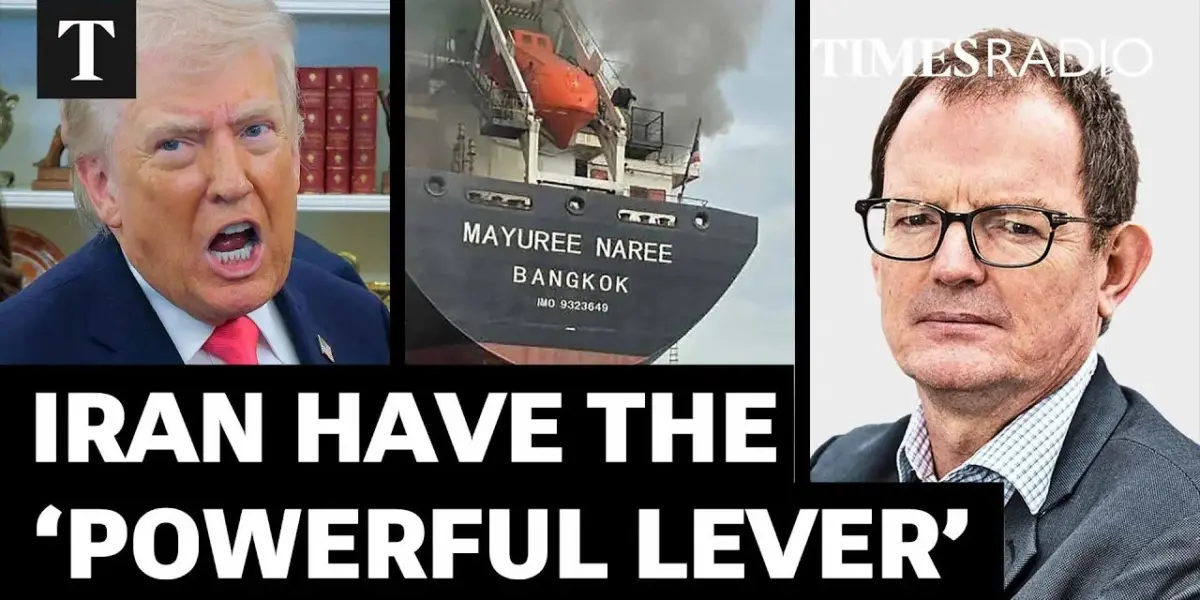
Global Tensions Escalate as Iran Defies US Demands
In a high-stakes standoff, Iran continues to defy international pressure, particularly from the United States, over its actions concerning the vital Strait of Hormuz. Day 27 of what is described as a joint US-Israeli war against Iran has seen no clear path to peace, despite President Trump’s assertions that the Islamic regime is seeking a deal. The situation remains tense, with reports indicating the Pentagon is preparing for a significant escalation, potentially involving ground forces and extensive bombing campaigns.
Trump Criticizes Allies Amidst Ongoing Conflict
President Trump has been vocal in his criticism of both Iran and his NATO allies. During a cabinet meeting, he labeled Iran’s leadership as liberal and dismissed British warships as mere toys. His disappointment with NATO was also publicly stated, echoing past sentiments that the alliance is a “paper tiger” that relies on US protection without offering reciprocal support. This criticism comes as the US faces ongoing challenges in the Middle East.
Iran’s Strategic Stance and Negotiation Tactics
Richard Spencer, The Times’ correspondent in the Middle East, offered a nuanced perspective on Iran’s behavior. He suggested that while Iran might not communicate in the same direct style as President Trump, its actions and statements carry significant meaning. Iran has indicated it will not accept the US’s 15-point plan, which Spencer describes as pushing Iran’s red lines and being designed for rejection. Instead, Iran has presented its own demands, which are also seen as unrealistic.
Haggling or Preparation for Offensive?
The critical question, Spencer explained, is whether Iran’s stance is an extreme form of negotiation or a prelude to further military action. The US has increased its troop presence in the region, including Marines and paratroopers. This raises the possibility of a planned ground offensive. However, Spencer also acknowledged the potential for discreet back-channel communications through intermediaries like Pakistan and Turkey.
The Strait of Hormuz: A Critical Chokepoint
The ongoing conflict has placed a spotlight on the Strait of Hormuz, a crucial waterway for global oil transport. Discussions involving 35 countries have been held on reopening the strait, which Iran has threatened to disrupt. Spencer likened Iran’s strategy to the “black knight” from Monty Python’s Holy Grail, suggesting Iran will not yield despite suffering losses. Its ability to threaten even a single ship can deter others from transiting the strait, effectively paralyzing trade.
The Necessity of Overwhelming Force
Reopening the Strait of Hormuz, Spencer argued, would require a significantly larger naval presence than currently deployed. He pointed out the recent embarrassing retreat of a US aircraft carrier group due to a laundry room fire. Effectively escorting tankers and protecting them from missile threats, submarines, and drones would necessitate a substantial deployment of frigates, destroyers, and other naval assets. This level of military commitment is currently absent.
Missile Range Concerns and Strategic Puzzlement
Adding another layer to the complex situation, UK Defense Secretary Pete Hexith suggested that London could be within range of Iranian ballistic missiles. This claim follows an earlier report of an Iranian missile coming close to the joint US-UK base at Diego Garcia. However, initial assessments of the missile’s range were later questioned.
Questioning Iran’s Motives
Spencer expressed puzzlement over the strategic rationale behind such threats. He noted that Iran possesses intermediate-range missiles capable of reaching targets up to 1,500 miles with a full payload, but London would likely require a smaller payload to be within range, making the journey longer and interception more probable. Furthermore, he questioned why Iran would expend scarce missile resources on a likely futile attack on London when its primary objective is to drive US forces from the Middle East. Targeting American bases in the region remains Iran’s more logical strategic aim.
Looking Ahead
As tensions continue to simmer, the world watches closely for further developments. The possibility of a ground invasion, the effectiveness of international diplomatic efforts, and Iran’s continued ability to threaten maritime traffic in the Strait of Hormuz remain key areas of focus. The coming weeks will likely reveal whether diplomatic channels can be opened or if military action will escalate further.
“`
Source: Iran Won’t Back Down: Only 'Overwhelming Naval Force' Can Retake Hormuz | Richard Spencer (YouTube)

Related Articles


Stocks Ignore War Risks, Focus on “Taco Moments”
Stock markets appear to be overlooking the severe supply chain risks stemming from the Iran conflict, focusing instead on potential diplomatic de-escalations. While the S&P 500 shows resilience, bond and commodity markets signal deep concern over disruptions to critical resources like LNG, helium, and fertilizers.

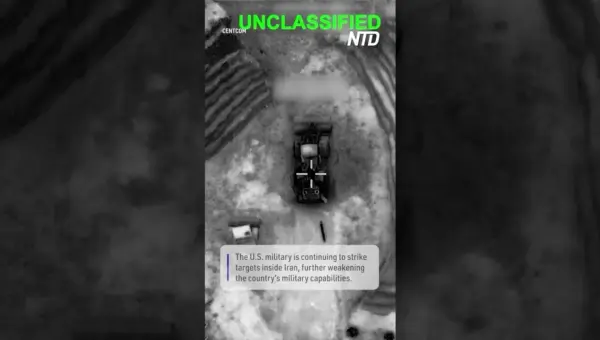
US Strikes Cripple Iran’s Military Might, CENTCOM Reports
U.S. Central Command reports ongoing strikes inside Iran are significantly weakening its military power. This direct action aims to reshape regional security dynamics, but carries risks of escalation. The long-term impact depends on Iran's response and ability to adapt.


U.S. Iran Tensions Rise Amid Shifting Alliances
Rising tensions between the U.S. and Iran are creating a volatile geopolitical situation. With conflicting signals on de-escalation and potential shifts in alliances like NATO and U.S.-Israel relations, the path forward remains uncertain. The global economy and regional stability hang in the balance.