Trump Honors Greek Heritage, Links It to American Ideals
Former President Donald Trump celebrated Greek Independence Day, highlighting historical ties between Greece and the U.S. He praised the Greek American community's contributions and linked ancient Greek principles to his political vision, including ideas on citizenship and classical architecture.

Trump Honors Greek Heritage, Links It to American Ideals
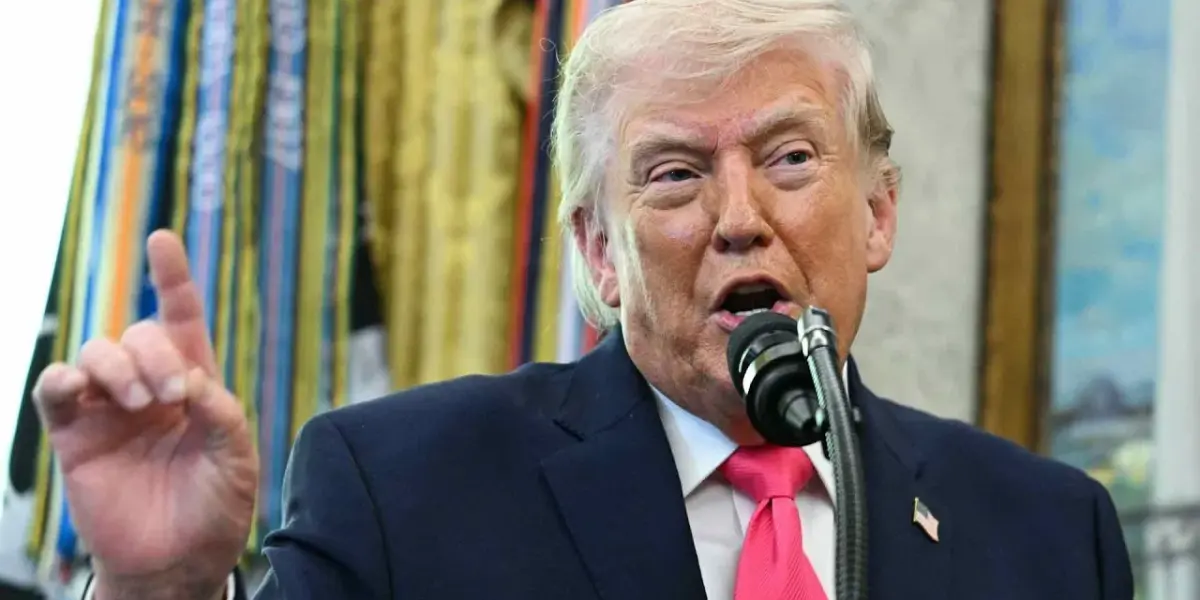
Former President Donald Trump recently spoke at a Greek Independence Day celebration, highlighting the deep historical and cultural ties between Greece and the United States. He praised the Greek American community, emphasizing their contributions to American society and government. Trump also drew parallels between ancient Greek principles and his own political vision.
A Celebration of Shared History
Trump began his remarks by expressing his delight in attending the event, calling it a “great honor” he wouldn’t miss. He specifically mentioned Archbishop Iakovos and the “Greek American patriots” present, wishing them a “happy Greek Independence Day.” The speech was notable for its focus on historical connections, tracing American ideals back to ancient Greece.
He reminded the audience that when America declared its independence 250 years ago, its founders were inspired by ancient Greece. Similarly, when modern Greece declared its independence in 1821, it looked to America. This mutual inspiration, Trump noted, has led the United States and Greece to stand as “two proud and thriving nations” that uphold Western traditions originating in Greece thousands of years ago.
Recognizing Community Contributions
The former president took time to acknowledge and introduce several Greek Americans serving in his administration and in Congress. He pointed out individuals like Michael Kratsios, the former Director of the Office of Science and Technology Policy, and Deputy Secretary of State, Mike Rigas. He also recognized Alexandra Vamvakas, Director of the White House Visitor Office, and Venia Veniadis, a Senior Associate Staff Secretary, praising their work. Members of Congress, including Representatives Gus Bilirakis, Mike Thompson, Nicole Malliotakis, and Jim Hagedorn, were also given shout-outs.
Trump also thanked friends and allies, including former White House Chief of Staff Reince Priebus and Christos Marafatos, Chairman of Greeks for Trump. He extended greetings to Greek Ambassador to the U.S. Antonis Alexandris, Ambassador of Cyprus to the U.S. Evangelos Savva, and U.S. Ambassador to Greece, Kimberly Guilfoyle, whom he affectionately called his “little pet name.” The presence of these officials underscored the diplomatic importance of the Greek-American relationship.
Ancient Wisdom, Modern Application
A significant portion of Trump’s speech focused on the enduring influence of Greek philosophy and culture. He stated that “the debt that America and all of Western civilization owes to the Greeks is ancient and eternal.” He mentioned how American soldiers are inspired by “Spartan warriors” and how students learn from the “immortal wisdom of Socrates” and “Aristotle, the inventor of science.”
He then connected these historical ideals to his own political platform. Trump declared that under his administration, they were “reaffirming a sacred Greek principle” that “only citizens can vote.” He linked this to a belief held in Greece for a long time, calling it “common sense.” This point suggests a desire to connect his immigration and voting policies to fundamental, long-standing principles rooted in ancient democratic ideas.
Architectural and Building Ambitions
Trump also discussed his administration’s approach to architecture and building projects, drawing inspiration from Greek builders and engineers. He contrasted “ugly boxes of brutal concrete” with the idea of restoring “marble columns and classical architecture to our nation’s capital.” He cited the ongoing construction of a new ballroom at the White House as an example.
He described this new ballroom as one of the most beautiful in the world, featuring columns and sculpture, an achievement he attributed to “latent talent.” Trump explained that previous presidents had wanted such a facility for 150 years, noting the inadequacy of using tents on the South Lawn for events, especially when rain caused problems. He highlighted his commitment to building “on time, on budget” and even faster, contrasting this with other government entities. This reflects his background as a developer and his emphasis on large-scale construction projects.
Why This Matters
Trump’s speech at the Greek Independence Day celebration served multiple purposes. It was a clear attempt to connect with and energize the Greek American community, a significant demographic group. By invoking shared history and cultural pride, he aimed to solidify their support. More broadly, the speech positioned his political agenda as being in line with foundational Western and even ancient Greek values. This strategy attempts to lend historical weight and legitimacy to his policies.
The emphasis on classical architecture and building projects also speaks to a larger theme of national pride and a return to perceived traditional aesthetics. It suggests a desire to project an image of strength and historical continuity. Furthermore, by linking democratic principles like voting rights to ancient Greek ideals, Trump sought to frame his policies as timeless and universally valid, rather than purely partisan.
Implications and Future Outlook
This type of rhetoric, linking current political actions to ancient historical precedents, is a common strategy to build a narrative of enduring national identity and purpose. For the Greek American community, such acknowledgments can foster a sense of belonging and recognition. For the broader public, it frames political ideas within a grand historical context, aiming to make them seem more profound and less subject to the passing trends of daily politics.
The future outlook for such appeals depends on their resonance with different voter groups. While some may find the historical connections inspiring and unifying, others might view them as selective or instrumentalized. The effectiveness of using ancient history to justify modern policies will likely remain a subject of debate, but it is a tactic that appeals to a sense of heritage and established tradition.
Historical Context
The relationship between Greece and the United States has indeed been long and strong. The Philhellenism movement in the West during the 19th century, which supported Greek independence, played a significant role in garnering international sympathy for the Greek cause. This historical solidarity has since evolved into a robust diplomatic and economic partnership. The Greek American community itself has become a vital part of the American social fabric, contributing to various fields, including politics, business, and culture.
The concept of democracy, originating in ancient Athens, has profoundly influenced Western political thought and continues to be a cornerstone of American governance. Similarly, Greek contributions to philosophy, science, and the arts have shaped Western civilization. Trump’s speech taps into this rich historical legacy, aiming to harness its symbolic power for contemporary political messaging.
The specific reference to “only citizens can vote” echoes debates about citizenship, immigration, and voting rights that are central to modern political discourse. By framing this issue through an ancient lens, Trump attempts to present his perspective as rooted in fundamental, historical truths about governance and belonging. This approach seeks to elevate contemporary policy debates by connecting them to timeless principles and historical examples.
Source: Trump Delivers Remarks at Greek Independence Day Celebration (YouTube)

Related Articles

Polls Spell Doom: Republicans Face Voter Backlash
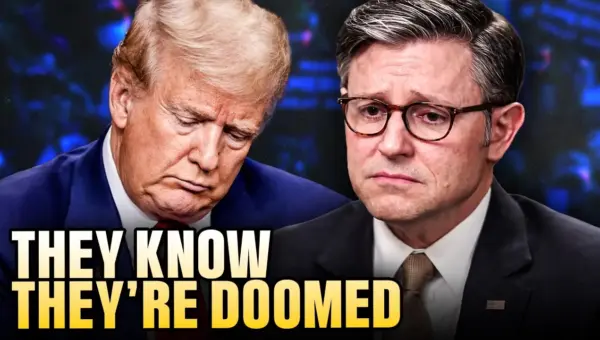
New polling data reveals a sharp decline in public confidence regarding the economic impact of Republican policies, particularly under Donald Trump. A significant majority now feel financially worse off, a trend that is especially pronounced among independent voters. This economic discontent poses a major challenge for the Republican party heading into future elections.

Trump Delays Iran Strike Deadline Amidst Shifting Diplomacy
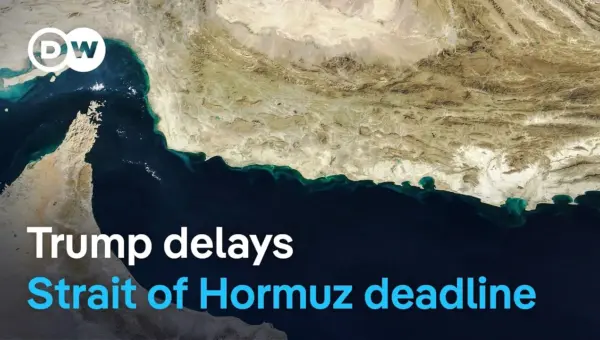
President Donald Trump has extended his deadline for potential strikes on Iranian energy plants to April 6th, amid reports of U.S.-Iran diplomatic talks mediated by Pakistan. This move comes as Israel continues its strikes on Iran and the U.S. deploys additional military assets to the region. Analysts point to mixed signals, economic pressures, and strategic miscalculations as key factors shaping the evolving situation.
Iran War Claims Ring Hollow as US Troops Injured in New Attack
Days after Donald Trump claimed "we've won" the war with Iran, a new attack injured approximately a dozen U.S. troops and damaged aircraft. This incident contradicts Trump's assertions of victory and raises serious questions about the strategy and reality of the ongoing conflict.