Trump Seeks Iran War Exit Amidst Shifting Strategies
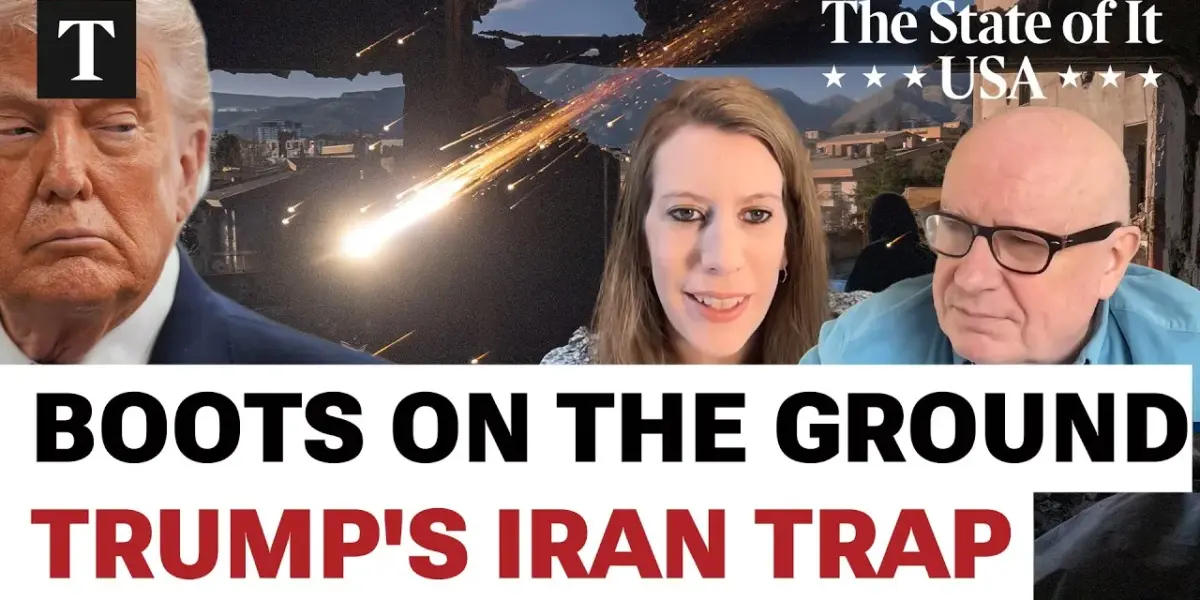
President Trump is reportedly seeking a swift exit from the Iran conflict, driven by political and economic concerns. Despite public declarations of victory, diplomatic efforts are underway alongside troop deployments, raising fears of an escalation trap. The effectiveness of these strategies and the true intentions behind them remain under scrutiny.

Trump Administration Navigates Complex Iran Conflict
President Donald Trump appears to be seeking a swift resolution to the ongoing conflict with Iran, a move driven by a desire to avoid prolonged engagement and potential political fallout. While Trump has publicly declared victory and the war as over, internal discussions and external reports suggest a more complex reality. The administration’s objectives have not always been clear, leading to frustration among both political figures and parts of the MAGA base.
Diplomacy and Disagreement Key to Negotiations
The path to peace is fraught with differing accounts. The U.S. side, including figures like Steve Wicker and Jared Kushner, claims negotiations are progressing well. However, Iranian officials have at times denied that any talks are happening. This discrepancy highlights the challenges of diplomacy with the Iranian regime.
Interestingly, reports suggest Iran might prefer dealing with Senator JD Vance. Vance has been a vocal critic of the military action, leaning towards an isolationist stance. This could be interpreted as Iranian “mischief-making” or a genuine attempt to find common ground with a less interventionist voice. Vance’s potential involvement raises questions about his willingness to undertake such sensitive negotiations, especially given his previous opposition to the conflict.
Trump’s Impatience and Strategic Concerns
Trump’s eagerness for a quick end to the war is evident in his public statements. He likely expected a faster resolution, perhaps with the Iranian regime collapsing or quickly conceding. This expectation, similar to perceived outcomes in Venezuela, has not materialized.
Several factors seem to be driving Trump’s desire for a swift exit:
- Energy Prices: The impact on global energy prices is a significant concern.
- Poll Numbers: Declining poll numbers in the U.S. indicate public weariness with the conflict. A majority of Americans oppose the war.
- Strategic Implications: If Iran remains in control of key strategic areas like the Strait of Hormuz, it could claim victory. This outcome would also benefit China, which continues to receive oil from Iran and observes the U.S. facing challenges against a smaller nation.
The conflict, even if militarily successful in setting Iran back, is dragging on longer than anticipated. This prolonged engagement could damage U.S. prestige and hinder broader strategic goals.
Twin-Track Strategy: Diplomacy and Military Posturing
The U.S. appears to be pursuing a dual strategy. On one hand, diplomatic efforts are underway, with figures like Vance, Wicker, and Kushner involved in discussions. On the other hand, the U.S. is continuing to deploy troops to the region, including significant numbers of Marines and paratroopers. While these troop numbers are not massive, their deployment raises concerns about potential escalation.
The repositioning of major aircraft carriers, the USS Abraham Lincoln and USS Gerald Ford, away from the immediate theater of operations is noteworthy. This move, coupled with the troop deployments, fuels speculation about the purpose of these actions. Are they intended to pressure Iran, or are they a precursor to a potential amphibious operation to secure vital trade routes?
Fears of an Escalation Trap
The deployment of elite forces like the Marines and the 82nd Airborne raises fears of an “escalation trap.” This is a scenario where initial, limited military actions intended to achieve a quick objective could lead to prolonged engagement and broader conflict. Historical examples, such as the early stages of U.S. involvement in Vietnam and the second Iraq War, serve as cautionary tales.
Military experts are divided on whether the current troop levels are sufficient for any potential offensive operations or if they represent a strategic bluff by the Trump administration. The fear is that even a small deployment could become bogged down, necessitating further troop increases and potentially leading to another lengthy and costly land war in Asia, a scenario that has historically proven detrimental to U.S. interests.
Looking Ahead
As the situation evolves, key developments to watch will include the progress of diplomatic negotiations, the stated intentions behind the troop deployments, and the broader political landscape surrounding President Trump. The administration’s ability to navigate these complex factors will determine the ultimate outcome of the Iran conflict and its impact on regional and global stability.
Source: Is Trump 'Desperate' For a Way Out Of The War in Iran? | Gerard Baker and Katy Balls (YouTube)

Related Articles
US Troops Wounded in Saudi Base Attack by Iran
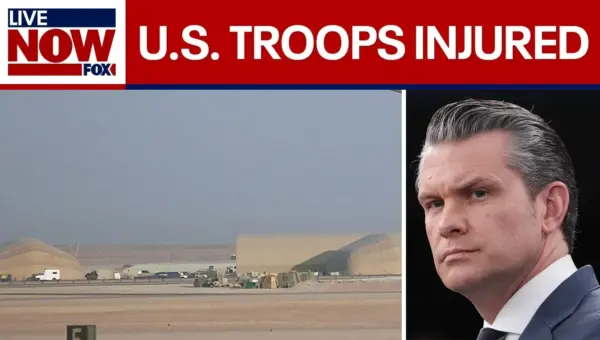
An Iranian missile attack on Prince Sultan Air Base in Saudi Arabia wounded multiple U.S. service members and damaged aircraft. The incident highlights the ongoing risks in the Middle East and the limitations of air defense systems. Analysts discuss the strategic implications, economic pressures, and the isolation of Iran amidst the conflict.
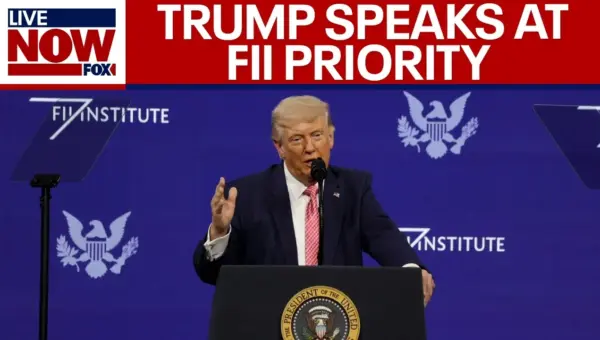
Trump Boasts Military Might, Slams Iran at Investment Summit
Former President Donald Trump spoke at the FII Priority Summit, detailing his administration's assertive stance against Iran and emphasizing the strength of the U.S. military. He claimed credit for dismantling Iran's military capabilities and preventing its nuclear ambitions. Trump also criticized NATO while praising Middle Eastern allies and touched on domestic issues like border security.


Trump’s Inner Circle Shields Him From War Reality
President Trump reportedly receives heavily filtered updates on the conflict with Iran, focusing on successes while downplaying setbacks. This intentional information control aims to maintain his belief in a decisive victory, but raises concerns about his ability to make informed decisions.