Iran Regime Faces Internal Pressure Amid US-Israel Tensions
A former Iranian political prisoner and international relations professor explains the complex feelings of Iranians amidst ongoing tensions. He warns the regime could act like a 'wounded beast,' retaliating against its people.

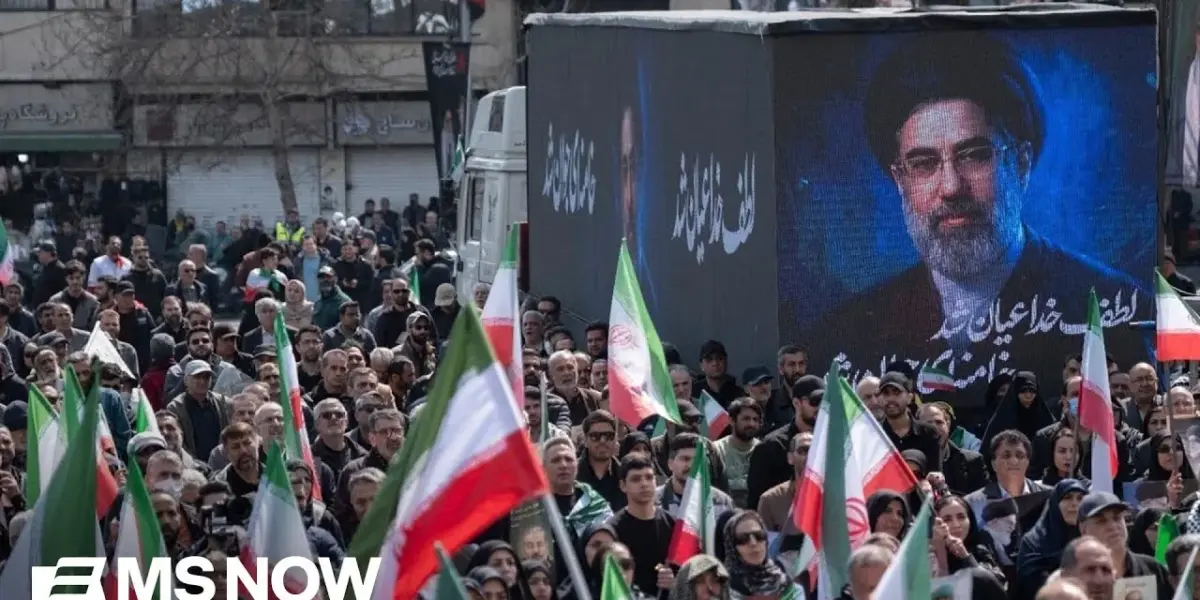
US, Israel Divided on Iran Protests
New reports reveal a potential disagreement between the United States and Israel on how to encourage protests within Iran. Israeli Prime Minister Benjamin Netanyahu reportedly wanted to call on Iranians to protest last week. However, U.S. President Donald Trump expressed concerns that such a move would be too risky, according to an official briefed on the conversation. Trump questioned the wisdom of urging people to take to the streets when they might face violent suppression.
It has been nearly a month since the U.S. and Israel first took action against Iran, yet information about the situation inside the country remains scarce. The Iranian regime has imposed a near-total internet blackout, severely limiting communication. Reporters on the ground are also under strict monitoring.
Understanding the Iranian Public’s Stance
Kiyan Tajbakish, a professor of International Relations at New York University and a former Iranian political prisoner, offered insight into the feelings of the Iranian people. He explained that the population can be divided into three main groups.
Approximately 20% of Iranians are considered pro-regime. Of these, about half are deeply ideological supporters, while the other half are politically passive, focused on daily life and their families’ safety rather than political change.
A significant portion, around 50% of the population, desires a different form of government. Tajbakish believes that a substantial part of this group, perhaps 20-30%, would participate in protests if they felt safer. He speaks daily with family members inside Iran who express a desire to maintain normalcy amidst the current challenges.
The Paradox of Fear
Arash Azizi, a contributor to The Atlantic, has described the situation as the “paradox of fear.” This refers to the dual anxieties Iranians face: fear of remaining under a tyrannical regime if external pressure eases, and fear of increased danger if the conflict escalates.
Tajbakish agrees with this assessment, likening the situation to being caught in a vice. He outlined two possible scenarios for Iran’s future.
A Glimmer of Hope: The Status Quo
The more optimistic scenario suggests a return to a form of status quo. In this case, the repressive regime might allow society some space to function, enabling people to return to work, school, and essential services like hospitals, water, and electricity. However, this scenario would likely involve little to no political freedom or tolerance for dissent.
The Dire Warning: A Wounded Beast
The much more concerning scenario paints the regime as a “wounded beast.” Tajbakish warned that such a regime might retaliate against its own people for the suffering endured during the conflict. This could lead to increased crackdowns on opposition, more arrests, and a rise in executions.
Iran’s Long-Term Ambitions
When asked about the regime’s strategic goals, Tajbakish pointed to a potential five-point plan that offers a glimpse into their long-term objectives. A key ambition is controlling the Strait of Hormuz.
As an Islamist regime that sees itself as a leader of Muslim countries in the Middle East, some hardliners within Iran reportedly aim to control the oil resources of Saudi Arabia and Kuwait. Their ultimate goal could be to become the dominant power in the region.
The presence of allies like the Houthis in southern Saudi Arabia suggests a coordinated effort. Tajbakish noted that this expansionist view could lead to increased aggression towards neighboring countries.
Signaling and Public Trust
The question remains whether the Iranian people believe that the U.S. and Israel would support them if they were to rise up again. Tajbakish highlighted what he called a “historically unprecedented” move by Israel, according to reports.
Israeli drones are reportedly targeting the repressive apparatus of the Iranian regime in Tehran, such as checkpoints and IRGC headquarters. This action appears to go beyond purely military objectives aimed at degrading Iran’s capacity to attack Israel.
Tajbakish interprets this as Israel attempting to signal to the Iranian people that their actions are directed at the regime’s military power, not the general population. However, both the U.S. President and the Israeli government have also made it clear that while they might offer some support, the ultimate responsibility for change lies with the Iranian people themselves.
Looking Ahead
The situation in Iran remains complex and fraught with uncertainty. The internal pressures on the regime, coupled with external geopolitical tensions, create a volatile environment. Future developments will likely hinge on the Iranian people’s willingness and ability to act, as well as the strategic decisions made by international powers. The potential for internal crackdown versus a move towards greater openness will be a key area to watch.
Source: Regime is 'like a wounded beast' and will take anger out on the people: Fmr. Iranian prisoner (YouTube)

Related Articles

U.S. Iran Tensions Rise Amid Shifting Alliances
Rising tensions between the U.S. and Iran are creating a volatile geopolitical situation. With conflicting signals on de-escalation and potential shifts in alliances like NATO and U.S.-Israel relations, the path forward remains uncertain. The global economy and regional stability hang in the balance.


Iran Targets US With Cyberattacks, Escalating Digital Warfare
Iran is increasingly using cyberattacks to challenge the U.S., as seen in a recent hack of the FBI director's account. Experts say this is a strategic shift due to Iran's limitations in conventional warfare. The U.S. needs to strengthen its digital defenses, focusing on encryption and cloud computing, rather than solely relying on traditional security measures.

Iran Hacks FBI Chief, Exposing U.S. Cyber Vulnerabilities
A recent hack of FBI Director Kash Patel's personal email by an Iran-linked group highlights Iran's growing cyber threat to the U.S. Experts explain how simple security oversights are exploited, emphasizing the need for basic defenses like two-factor authentication to protect against propaganda and potential infrastructure attacks.