Iran War Triggers Energy Crisis in Philippines
The Philippines has declared a national energy emergency due to the war involving Iran, which has disrupted global oil supplies. President Ferdinand Marcos cited the threat to energy imports, with reserves estimated to last only 45 days if the Strait of Hormuz is blocked. The crisis highlights the country's vulnerability to international conflicts and rising inflation.

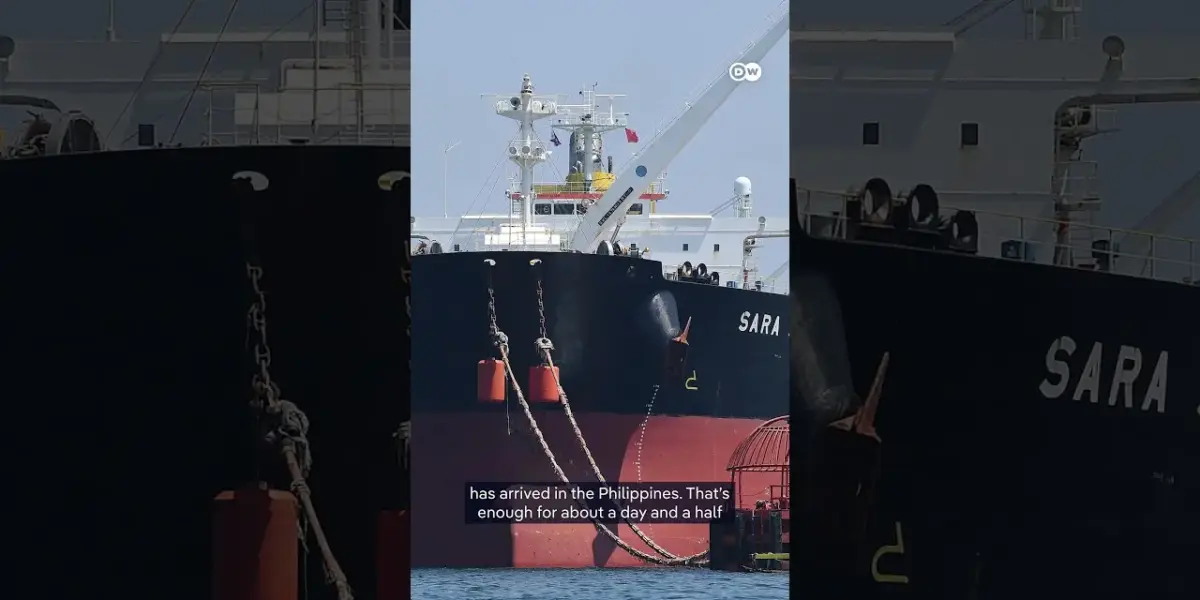
Philippines Declares Energy Emergency Amid Iran War
The Philippines has declared a national energy emergency, citing the ongoing war involving Iran as a direct and immediate threat to its energy supplies. President Ferdinand Marcos made the announcement on March 24th, highlighting the country’s extreme vulnerability due to its heavy reliance on imported oil. The conflict, which began after the United States and Israel launched actions against Iran, has sent fuel prices soaring globally, creating significant economic challenges for many nations. The Philippines, importing nearly all of its crude oil, primarily from the Middle East, finds itself in a precarious position.
Strait of Hormuz Blockade Threatens Supply
A key concern for the Philippines is the potential for Iran to block the Strait of Hormuz, a vital waterway for oil transport. This strategic chokepoint is a major route for oil heading to Asia. If closed, it would severely disrupt global oil flows, with Asia being the most heavily impacted region. Filipino officials estimate that current oil reserves would only last about 45 days under such a scenario. The government is taking steps to mitigate the crisis, including ordering state agencies to reduce energy consumption and shifting nonessential government workers to a four-day work week. They have also increased the output from the country’s coal power plants.
Economic Impact and Inflation Fears
The rising costs of transportation and energy are disproportionately affecting the most vulnerable populations in the Philippines. Officials are concerned that inflation could reach levels not seen in years, further straining household budgets. This situation underscores how a conflict far away in the Middle East can quickly lead to a domestic crisis in independent nations. Experts have noted recurring signals over the past decade indicating the unsustainability of relying heavily on imported goods, particularly energy, and being subject to global energy market fluctuations. The country’s dependence on foreign oil makes it highly susceptible to international geopolitical events.
“The impact of oil disruption affects us. We are not hit by bombs, but we are hit by extreme poverty, hunger due to the increase in prices of petroleum products.”
– Filipino Official (paraphrased from transcript)
Addressing Supply Gaps
In an effort to fill supply gaps, a ship carrying over 700,000 barrels of Russian crude oil recently arrived in the Philippines. While this shipment is substantial, it is estimated to be enough to meet the country’s needs for only about a day and a half. Despite these challenges, President Marcos has expressed confidence in securing alternative sources not directly impacted by the war to cover the shortfall. The government’s stance is clear: they are standing up against the aggression and its effects, recognizing the severe economic hardship it imposes on the Filipino people.
Regional Implications
The Philippines’ situation is being closely watched by other nations in the region, including Japan, South Korea, China, India, and other Southeast Asian countries. These nations also rely heavily on energy imports and are concerned about the broader impact of the conflict on regional stability and economic security. The crisis in the Philippines serves as a stark reminder of the interconnectedness of the global economy and the far-reaching consequences of geopolitical instability in critical regions like the Middle East.
Looking Ahead
As the conflict in the Middle East continues, the Philippines will focus on managing its energy security and mitigating the economic fallout. Key developments to watch will include the success of President Marcos’s efforts to secure alternative oil supplies, the effectiveness of domestic energy conservation measures, and the broader impact on inflation and economic stability. The region’s response and any collaborative efforts to ensure energy security will also be crucial in the coming weeks and months.
Source: The Iran war is causing a crisis in the Philippines | DW News (YouTube)

Related Articles

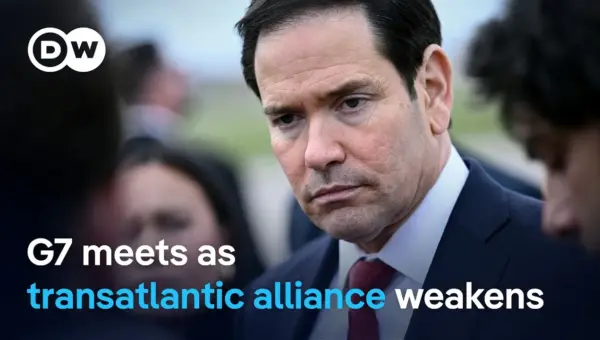
G7 Allies Clash Over Iran War Strategy, Urge Focus on Russia
G7 foreign ministers met in Paris, revealing deep divisions over the U.S. war with Iran. European allies urged the U.S. to pressure Russia, linking its actions to the conflict and fearing support for Ukraine will wane.
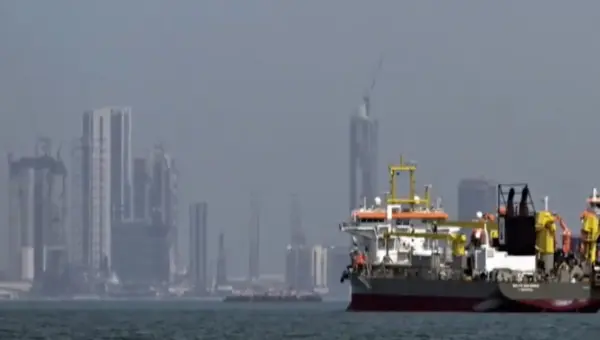
Iran Blocks China Ships, Exposing Beijing’s Weak Grip
Iran's recent decision to block Chinese ships at the Strait of Hormuz is exposing the limits of Beijing's influence in the Middle East. This action is causing delays and cancellations for Chinese manufacturers, turning a perceived geopolitical win into an economic strain.
Trump’s “Walk Away” Tactic Signals Tougher Stance on China
Retired Air Force Brigadier General David Stillwell believes President Trump's strategy of being willing to walk away from negotiations puts pressure on China. This tactic, combined with US global actions and strengthened alliances, signals a more assertive American foreign policy.