Iran Dictates Terms for Peace, Demands Sovereignty Over Hormuz
Iran has outlined stringent conditions for ending the current war, emphasizing its right to dictate terms and timing. Key demands include an end to aggression, guaranteed compensation, and crucially, recognition of its sovereignty over the vital Strait of Hormuz.

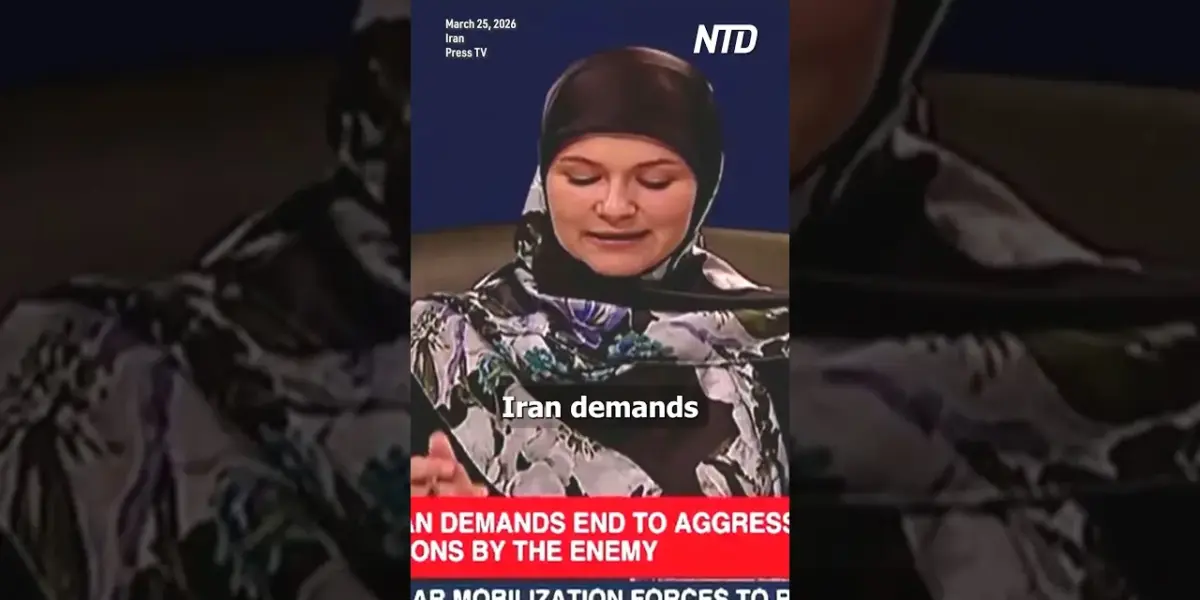
Iran Sets Demands for War’s End
Iran has laid out specific conditions for ending the current conflict, making it clear that the timing and terms of peace are on its own terms. Senior officials, speaking through state media, have outlined a set of demands that must be met before any cessation of hostilities. This stance signals Iran’s intent to control the narrative and outcome of the war, rejecting external influence on its decision-making process.
Key Conditions for Peace
The core of Iran’s proposal centers on several critical points. Firstly, Iran insists on an immediate end to what it calls “aggression by the enemy.” This implies a demand for the opposing forces to withdraw and cease all military actions. Beyond simply stopping the fighting, Iran is seeking concrete guarantees that such a conflict will not happen again. This suggests a desire for a long-term resolution, not just a temporary ceasefire.
Furthermore, Iran is demanding guaranteed payment for war damages and compensation. This reflects the significant cost of the conflict and Iran’s expectation that those responsible will bear the financial burden. The proposal also calls for a comprehensive end to the war across all fronts. This includes not only the official military forces but also allied “resistance groups,” indicating a unified approach to ending the conflict and ensuring its complete resolution.
Hormuz Sovereignty: A Central Demand
Perhaps the most significant and assertive demand is the recognition of Tehran’s sovereignty over the Strait of Hormuz. Iran considers this its natural and legal right. The Strait of Hormuz is a vital waterway, crucial for global oil transport. Controlling or having recognized sovereignty over this strategic chokepoint gives Iran significant leverage and underscores its national interests.
Historical Context and Geopolitical Significance
The Strait of Hormuz has long been a point of contention and a strategic asset in the region. Its narrow passage between Iran and Oman is a critical artery for a significant portion of the world’s oil supply. Historically, Iran has asserted its authority in this area, and any challenge to its control has led to heightened tensions. The current demand for recognized sovereignty is an escalation of this long-standing position, framing the end of the war within Iran’s broader geopolitical ambitions.
Balanced Viewpoints and Implications
Iran’s demands represent a strong negotiating position, aiming to secure its interests and perceived rights. The emphasis on guarantees and compensation suggests a desire for accountability and future stability. However, the demand for sovereignty over the Strait of Hormuz could be a major sticking point for other regional and international powers who rely on the free flow of traffic through this waterway. The international community will likely scrutinize these demands closely, weighing Iran’s security concerns against global economic stability.
Why This Matters
The conditions set by Iran are not merely about ending a war; they are about reshaping the regional balance of power. If recognized, Iran’s demand for sovereignty over the Strait of Hormuz would significantly alter maritime control and international trade dynamics. It signals Iran’s growing assertiveness and its willingness to use the conflict to achieve long-term strategic goals. This could lead to increased regional tensions or, conversely, a new understanding of power dynamics if other nations accept these terms.
Future Outlook
The response from the United States and other involved parties to these demands will be critical. Whether these conditions are seen as a genuine path to peace or as non-starters will determine the future course of the conflict. The international community faces a complex challenge in navigating these demands, balancing the need for peace with the imperative of maintaining open and secure international waterways. The outcome will significantly influence regional security and global energy markets for years to come.
Source: Iran Responds to US Proposal via State Media (YouTube)

Related Articles

Stocks Ignore War Risks, Focus on “Taco Moments”
Stock markets appear to be overlooking the severe supply chain risks stemming from the Iran conflict, focusing instead on potential diplomatic de-escalations. While the S&P 500 shows resilience, bond and commodity markets signal deep concern over disruptions to critical resources like LNG, helium, and fertilizers.

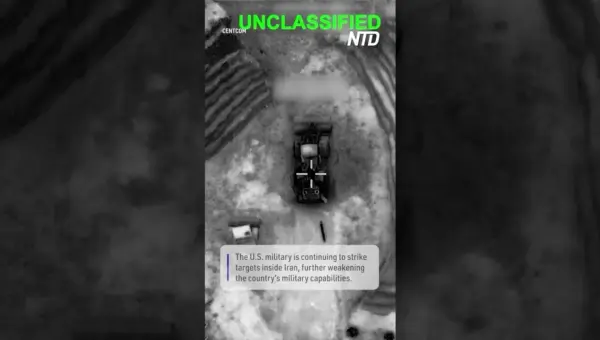
US Strikes Cripple Iran’s Military Might, CENTCOM Reports
U.S. Central Command reports ongoing strikes inside Iran are significantly weakening its military power. This direct action aims to reshape regional security dynamics, but carries risks of escalation. The long-term impact depends on Iran's response and ability to adapt.

U.S. Iran Tensions Rise Amid Shifting Alliances
Rising tensions between the U.S. and Iran are creating a volatile geopolitical situation. With conflicting signals on de-escalation and potential shifts in alliances like NATO and U.S.-Israel relations, the path forward remains uncertain. The global economy and regional stability hang in the balance.