Energy Crisis Halts German Economic Recovery Hopes
Germany's economic recovery is facing significant delays due to the ongoing energy crisis, exacerbated by the conflict in Iran. Soaring energy prices are fueling inflation and dampening consumer sentiment, while energy-intensive industries are struggling. Economists warn that while less exposed than the US to fuel price hikes, German consumers and businesses face a challenging period ahead with uncertain recovery prospects.

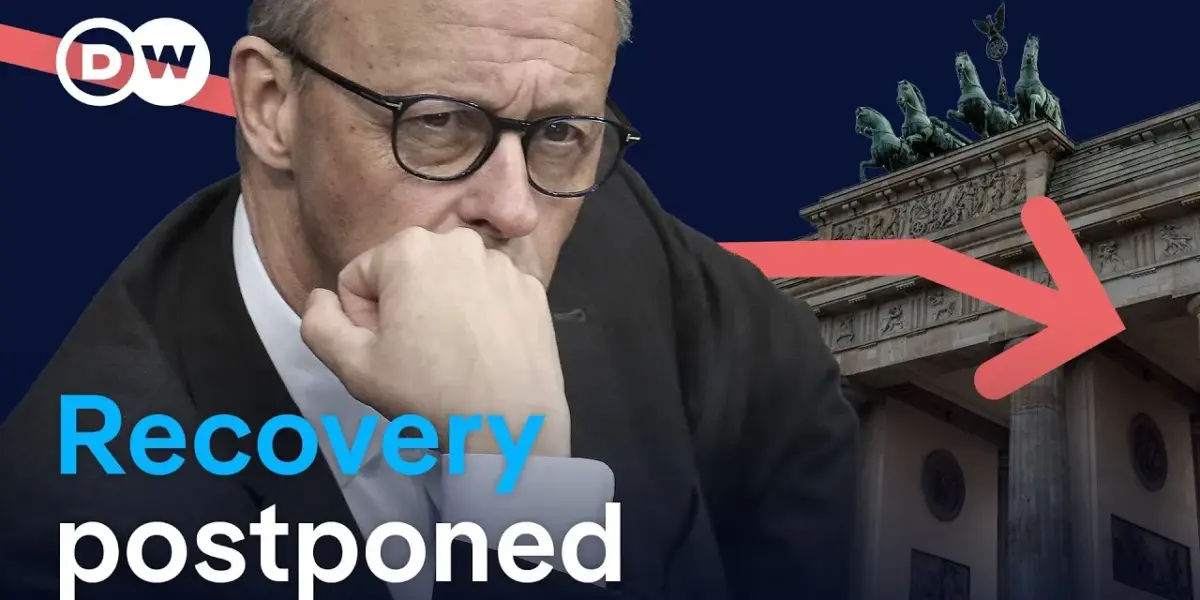
German Economy Hit Hard by Energy Prices, Recovery Postponed
Germany’s much-anticipated economic recovery has been significantly delayed due to soaring energy prices, a direct consequence of the ongoing conflict in Iran. Higher energy costs are not only impacting consumer sentiment but are also expected to drive up inflation, casting a shadow over the nation’s economic future. The past three years have been challenging for the German economy, and hopes for a turnaround this year have been dashed by the current crisis.
Energy-Intensive Industries Face Severe Strain
Economist Clemens Fust of the EPO Institute in Munich highlighted the critical impact of high energy prices on Germany’s industrial sector. “Energy intensive industries like the chemical industry, the metal industry suffer a lot,” Fust stated. His recent business sentiment survey revealed increased pessimism, with companies expecting difficulties in the coming months. This is particularly true for sectors that rely heavily on energy, but tourism is also affected as travel to Asia, often routed through hubs like Dubai, sees cancellations due to rising general prices and a hit to affordability.
Structural Weaknesses Exacerbated by Current Crisis
The current energy crisis exacerbates pre-existing challenges for Germany’s energy-intensive industries. These sectors were already operating at significantly reduced output, down about 20% compared to six years ago. While these companies have experience navigating difficult times, the current situation presents another severe blow to an already weakened industry. “It does make a difficult situation worse,” Fust explained. However, he noted a slight upside: the global nature of the energy shock means that German companies are not at a competitive disadvantage compared to their international peers who are also facing similar energy cost pressures.
Consumer Sentiment Dented, Spending Expected to Slow
Prior to the current energy shock, there were signs of a positive trend in German consumer sentiment, partly driven by rising real wages. This had supported consumer spending, offering a glimmer of hope for economic recovery. “This energy crisis now is clearly a blow to consumer sentiment,” Fust observed. Retail businesses are reporting expectations of a slowdown in consumption, indicating that the recovery fueled by consumer spending has been at least postponed.
Germans Less Exposed to Fuel Prices Than Americans, But Still Vulnerable
While fuel prices, particularly gasoline, can be a significant political issue in the United States, Europeans and Germans are generally less exposed. This is due to higher gasoline taxes in Europe, making the relative impact of oil price increases smaller. Furthermore, better-developed public transportation systems and shorter travel distances in Germany offer consumers more alternatives. “The exposure yes is smaller,” Fust noted, adding that the availability of public transport likely increases consumer elasticity regarding fuel costs. Despite this, rising fuel prices remain a salient issue that is visible to the public and can still pose a political challenge for governments.
Inflationary Pressures and Central Bank Dilemmas
The energy crisis is expected to drive up inflation, though the extent depends heavily on the duration of the conflict and supply disruptions. In more benign scenarios, where the war ends within a few months, German inflation could rise to around 2.5% and potentially higher next year as price effects, such as increased fertilizer costs impacting food prices, filter through the economy. A significant escalation or prolonged conflict could lead to much higher inflation. This presents a difficult choice for central banks: fighting inflation by raising interest rates could further worsen an economic downturn.
Government Responses: Balancing Support and Incentives
Governments face the challenge of responding to the crisis. While some countries have cut fuel taxes or offered fiscal packages, economists like Fust advise caution. “What we would like to see is measures that don’t bring down prices because if you reduce fuel prices directly, you reduce incentives to save energy,” he explained. Preferable measures include increasing commuting allowances through the tax system. This helps individuals who need to travel long distances for work without diminishing the incentive to conserve fuel or utilize public transport, thus preserving important price signals.
Concerns Over Germany’s Investment Spending
Fust also raised concerns about Germany’s use of funds from a new infrastructure investment program. A recent study indicated that while money is being allocated to the infrastructure fund, investment spending in the core budget has declined. This has led to overall investment not increasing significantly, while debt has risen. “The additional debt in the end effectively has been used mostly for consumption,” Fust stated. With only a small fraction of the infrastructure fund spent so far, there is an opportunity for the government to adjust its strategy to ensure the funds are used for their intended purpose, preventing higher debt and a deteriorating infrastructure.
Uncertainty Clouds Economic Forecasts
Forecasting Germany’s economic future is exceptionally difficult due to the high level of uncertainty surrounding the duration and impact of the war. Economists are relying on scenario planning, examining different outcomes based on assumptions about the conflict’s length. “We can only look at scenarios,” Fust emphasized. The general expectation of a recovery, which was anticipated to be driven more by public spending than the private sector, has now been postponed. While not necessarily a complete collapse, the recovery will be smaller in 2026, with potential for more significant growth possibly shifting to 2027. For now, Germany faces a period of stagnation rather than an upturn.
Source: Why energy prices are delaying German turnaround | DW News (YouTube)

Related Articles


Markets Tumble Amid Iran Tensions and Shutdown Gridlock
Wall Street experienced a significant slide today, with the Dow and Nasdaq entering correction territory, driven by escalating tensions with Iran and market uncertainty. Meanwhile, a government shutdown continues to cause chaos at airports nationwide, leaving thousands of workers unpaid and travelers facing long delays. The global energy supply is also under pressure, impacting prices and availability worldwide.

Markets Wobble as Geopolitics Shift Dramatically
Global markets are showing volatility as geopolitical tensions rise, with the Nasdaq nearing correction territory. Concerns over consumer spending, rising costs, and the nation's fiscal health are intensifying. Analysts debate whether current events represent short-term market noise or a fundamental "reinvention of geopolitics" with long-term implications.


Iran Talks Gain 10 Days, But Markets Remain Skeptical
Iran has secured a 10-day extension for negotiations, but financial markets remain unconvinced, showing little reaction to the news. Rising energy and borrowing costs, coupled with geopolitical tensions, continue to pressure global markets and consumer spending.