Russia Profits as Iran War Boosts Oil Prices
Russia is unexpectedly profiting from the war in Iran as soaring oil prices and temporary US sanctions waivers allow it to sell crude at a premium. India's large purchases of Russian oil, previously discounted, now fetch higher prices, generating billions for Moscow. This financial windfall strengthens Russia's economy amidst the ongoing conflict in Ukraine.

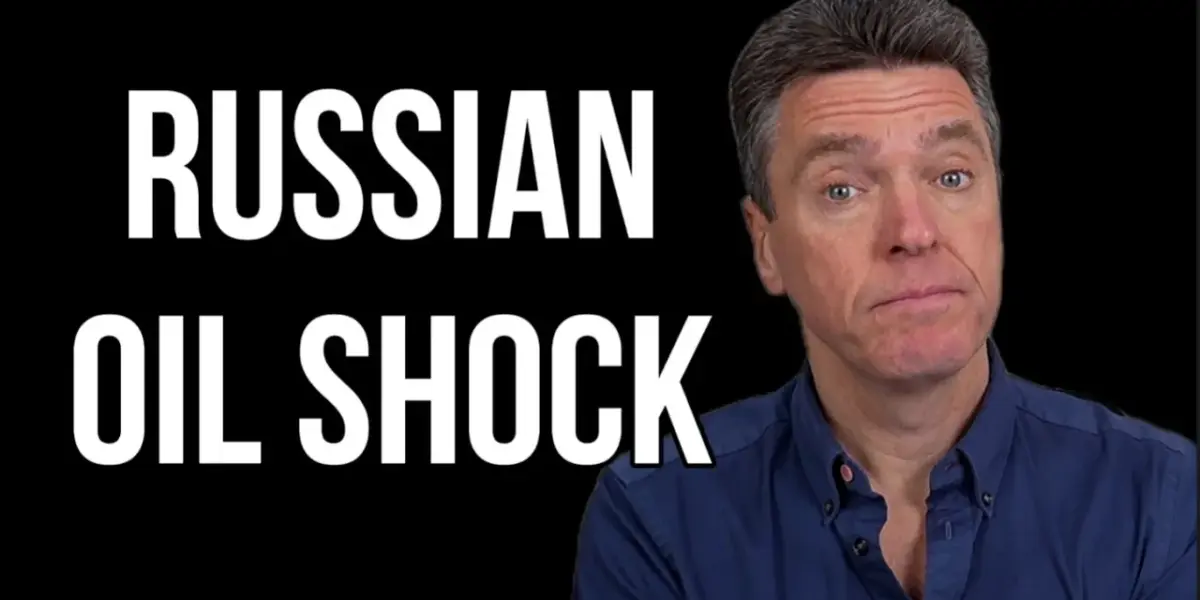
Global Oil Markets See Major Shift Amid Iran Conflict
An unexpected consequence of the ongoing war in Iran is creating a financial windfall for Russia, even as global oil prices surge towards $100 per barrel. While many focus on damaged infrastructure and supply disruptions, a significant financial story is unfolding: Russia and Iran are making substantial profits from the crisis.
US Eases Sanctions Temporarily to Stabilize Oil Prices
In a move to prevent oil prices from climbing even higher, the United States has temporarily relaxed sanctions on oil. These waivers allow oil already loaded onto tankers to be sold. This means millions of barrels of Russian and Iranian oil that were at sea can now be legally sold into the global market. This has happened twice for Russia in March, effectively allowing its oil back into the system, not to help Russia, but because the world desperately needs the supply. The US has also extended similar relief to Iran, allowing its oil at sea to be sold, even while military actions are underway. This creates a confusing political picture but highlights the global economy’s critical need for oil.
Russia Reverses Oil Discount Trend
For the past four years, Russia has been forced to sell its oil at a discount, often 20% to 30% below global prices. Buyers took on risk, facing potential sanctions, payment issues, and insurance problems. To encourage sales, Russia had to offer lower prices. However, this situation has dramatically reversed. India has agreed to purchase approximately 60 million barrels of Russian oil for April delivery. Instead of a discount, Russia is now selling this oil at a premium, meaning buyers are paying $5 to $10 more per barrel than the benchmark Brent crude price. This is a massive shift from selling at a $30 discount to charging a $15 premium. The reason is simple: the oil is readily available on ships, and buyers like India need it immediately.
Billions Flow to Russia from Oil Sales
Consider a deal for 60 million barrels at an estimated $105 per barrel ($100 plus a $5 premium). This single deal could generate around $6 billion in revenue for Russia. If the premium is higher, reaching $10 or $15 above Brent crude, Russia could earn closer to $7 billion from such transactions. This influx of cash strengthens the Russian economy and its ability to fund its ongoing operations.
Iran Returns to Market, Selling at a Premium
Iran is experiencing a similar, albeit more complex, financial boost. India has also purchased about 5 million barrels of Iranian oil, reportedly at a premium of $6 to $8 above crude prices. At roughly $107 per barrel, this one deal could bring in about half a billion dollars for Iran. This marks a significant return for Iran, which has faced US sanctions since the 1979 revolution. The current crisis has pushed Iran back into the market, allowing it to sell oil at higher prices.
Unintended Consequences of the Conflict
The war in Iran has inadvertently created a favorable situation for Russia. While Russia is not directly involved in the conflict or suffering infrastructure damage, it benefits from higher oil prices, increased demand, and now, higher profit margins on its sales. The longer the conflict continues, the more financial gain Russia accrues. This directly impacts the war in Ukraine, as each additional billion dollars strengthens Russia’s economy and supports its budget. While Iran faces a mixed bag of financial gains and potential instability, Russia appears to be in a uniquely advantageous position.
Market Impact: Oil Dependency and Geopolitics
The global economy’s dependence on oil is starkly illustrated by these events. When oil supply is tight, political considerations often take a backseat to economic necessity. The US waivers on sanctions demonstrate this, prioritizing market stability over punitive measures. For investors and policymakers, this situation highlights the delicate balance between geopolitical events and energy markets. The ongoing conflict in Iran could continue to influence oil prices, the global economy, and the trajectory of the war in Ukraine. Watching these dynamics closely is crucial for understanding future market movements and economic trends.
Source: RUSSIAN Oil Shock (YouTube)

Related Articles


US Cardinal’s Papal Upset Redraws Vatican Influence
Pope Francis's election defied expectations, including his own, as an American cardinal believed an "American" Pope was unthinkable. The swift conclave surprised many, highlighting the unpredictable nature of papal selections and signaling a potential shift in the Church's global direction.


Mexico Navigates US-China Rivalry
Mexico is caught in a geopolitical tug-of-war between the United States and China. The nation must carefully balance its economic needs and strategic interests with both superpowers. This situation highlights Mexico's growing importance in global affairs.
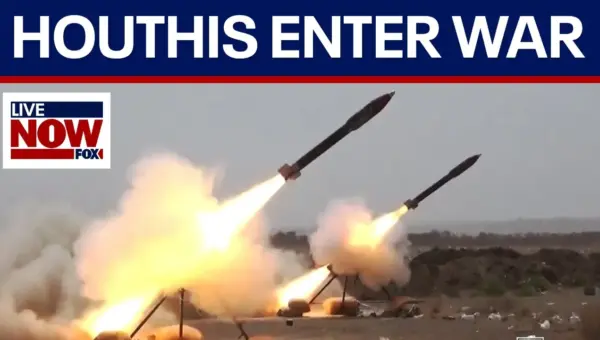
Iran-Backed Houthis Strike Israel, Escalating Regional Tensions
Iran-backed Houthi rebels have launched a missile attack targeting Israel, marking their first such strike since the current Middle East conflict began. The Israeli military confirmed the interception of the projectile. Analysts view this action as part of Iran's broader regional strategy, highlighting the regime's reliance on proxy forces amid internal weaknesses.