Ukraine Strikes Oil Hubs, Crippling Russian War Chest
Ukraine's sophisticated strikes on Russian oil infrastructure have crippled nearly half of its crude export capacity. This crippling blow threatens Russia's war funding and signals growing instability within the regime.

Ukraine Strikes Oil Hubs, Crippling Russian War Chest
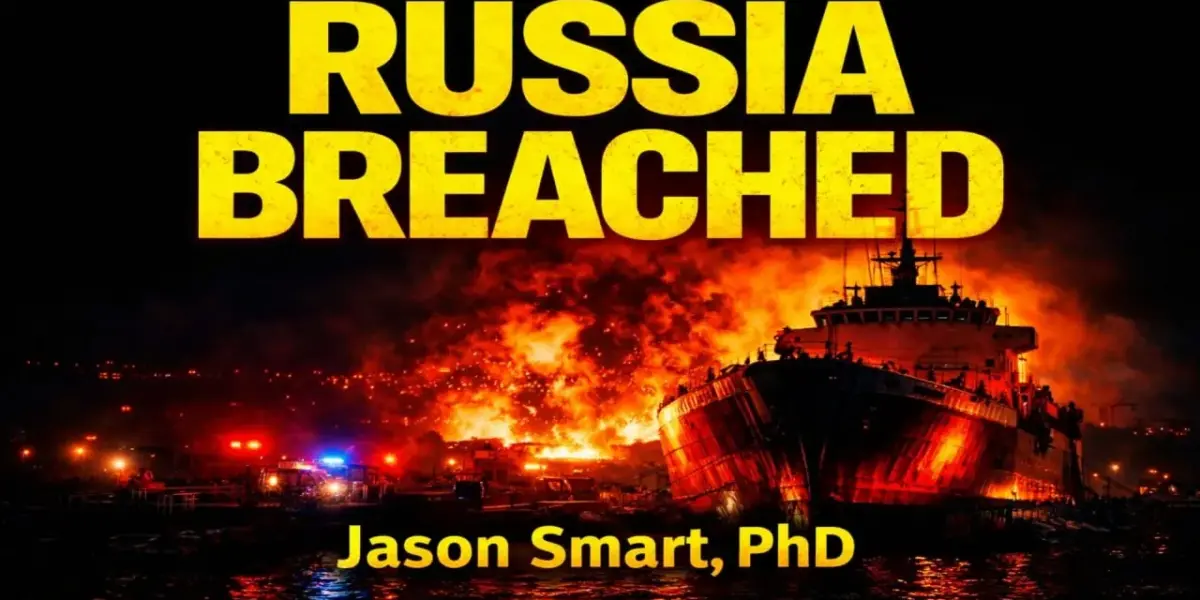
Ukraine has launched a series of targeted attacks against Russia’s critical oil infrastructure, significantly disrupting its crude oil export capacity. These strikes have effectively taken offline approximately 40% of Russia’s oil export capabilities. This action extends the conflict beyond the traditional front lines, striking at the financial heart of Moscow’s war effort. The attacks, hitting key locations like Primorsk, Luga, Kurishia, and Vyborg, represent a major blow to Russia’s ability to fund its ongoing military operations.
Economic Pressure Mounts on Moscow
The financial impact of these strikes is substantial. With global oil prices around $100 per barrel, the halted flow represents a loss of approximately $6 billion over 30 days. This revenue is crucial for Russia, covering expenses such as fuel, equipment repairs, transportation, and overall military sustainment. By hitting both export facilities and domestic refining capabilities, Ukraine is creating immense pressure on Russia’s economic stability, which in turn directly impacts its military endurance on the battlefield.
Strategic Collapse and Political Instability
The damage inflicted is not merely economic; it is creating a strategic collapse within Russia. Oil and gas revenues typically account for about 25% of Russia’s state budget. The loss of an estimated 2 million barrels per day due to these strikes translates to roughly $200 million in lost revenue daily. Over a month, this amounts to $6 billion, a figure comparable to a significant portion of Russia’s planned federal education budget for 2026. Such economic strain is expected to lead to further cuts in domestic spending, affecting schools, hospitals, and potentially even resources allocated to the front lines. Reports indicate that Russian government contractors are already facing steep discounts on completed work, with payments delayed for years, signaling a severe cash flow problem.
Putin’s Absence Amidst Systemic Shock
Amidst this escalating crisis, the absence of Russian President Vladimir Putin from public view has become notable. When a nation’s leader disappears during a period of significant systemic shock, it can expose perceived weakness at the highest levels of government. This perceived instability can lead elites to question the regime’s strength and its ability to weather the storm, potentially creating internal fissures. Ukraine’s strategy appears to be a long-term effort to degrade Russia’s capacity to wage war, rather than seeking immediate territorial breakthroughs, a stark contrast to Russia’s stalled spring offensive.
Key Infrastructure Targeted
The sequence of attacks highlights a sophisticated understanding of Russian vulnerabilities. The strikes first targeted export flows, then processing, and finally refining capabilities, disrupting the entire oil supply chain. Luga, identified as Russia’s largest Baltic port by cargo turnover, is a vital artery for daily exports. Its disruption, along with the targeting of a gas condensate processing and shipment node there, cripples significant export volumes. The attack on the Kurishia refinery, the only major refinery in northwestern Russia, further destabilizes fuel supplies in a critical region. Even a strike on an icebreaker vessel under construction for the FSB in Vyborg demonstrates Ukraine’s reach deep into Russian territory, over 1,200 miles from its borders, signaling that no rear area is truly safe.
Strategic Implications: Weakening the War Machine
These attacks collectively represent a significant blow to Russia’s ability to sustain its war effort. By targeting the revenue streams and logistical chains that fund the conflict, Ukraine is forcing Moscow to divert resources to defense and repair, rather than offensive operations. Russia’s existing export routes, such as those to China and other Asian markets, are already operating near capacity. This means there is little room to reroute the disrupted oil volumes, making the impact of these strikes difficult to mitigate. The combined effect of these attacks is estimated to equal about 10% of Russia’s federal budget, a loss that Moscow had little time to prepare for.
Broader Geopolitical Impact
The weakening of Russia’s economic and military capacity has significant geopolitical implications. It could embolden Ukraine and its allies, while potentially increasing internal dissent within Russia. The long-term sustainability of Russia’s war in Ukraine is now under severe question. If Moscow cannot secure its revenue base and maintain its war-sustaining industries, its ability to project power and maintain its current military posture will be severely compromised. This situation could lead to a reevaluation of the conflict’s trajectory and potentially hasten a resolution, though the path forward remains complex and uncertain.
“Ukraine is forcing Moscow to defend the same cash flow, fuel chain, and security zone all at the same time. And this is where the physical damage though becomes so impressive when you realize what this means for Russia.”
The current situation suggests that Russia is struggling to maintain its economic footing, with some regions already bordering on bankruptcy. Measures like restricting internet access in major cities and limiting cash withdrawals from banks may indicate a growing concern within the Kremlin about public perception and financial stability. The inability to easily replace lost oil revenue means Moscow faces a difficult choice: cut military spending, further strain its domestic economy, or risk deeper financial instability.
Source: Major Strike Pushes Putin to the Brink (YouTube)

Related Articles

Ukraine Strikes Cripple Russian Oil Exports
Ukrainian drone strikes are crippling Russia's oil exports and damaging its economy, leading to falling domestic support for President Putin. The targeted attacks on refineries and terminals aim to cut off war funding and have significant geopolitical consequences.

UK Diesel Shortage Fears: Government Urged to Prepare
The UK faces potential diesel supply shortages starting mid-April due to global tensions impacting shipping routes. Experts urge the government to prepare contingency plans, warning of price hikes and disruptions. While a complete lack of fuel isn't expected, proactive measures are seen as crucial to avoid panic and ensure supply chain stability.

Russia’s TV Dreams of Dividing Europe
Russian state television broadcasts increasingly aggressive rhetoric, discussing the division of Europe and dismissing Ukraine's statehood. This contrasts with battlefield realities and official diplomatic stances, highlighting a dual strategy of projecting strength and seeking geopolitical advantage. Analysts warn that these televised fantasies ignore the ongoing war and Ukraine's fight for sovereignty.