Honda’s Smart Park: Safety Feature or User Error?
Honda's latest vehicles feature intelligent transmission controls that prevent accidental 'Park' engagement at highway speeds. If reverse is mistakenly selected, the system defaults to neutral for a safe coast.

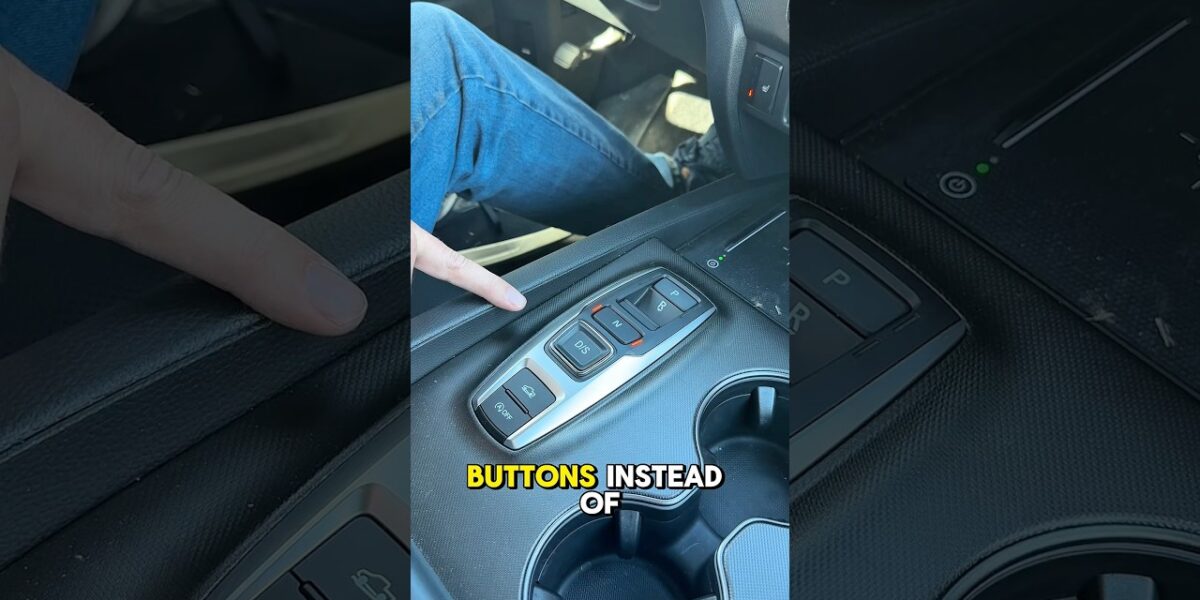
Honda’s Intelligent Park System: A Deep Dive into Highway Safety
In an era where automotive technology continues to evolve at a breakneck pace, the humble gear shifter is increasingly being replaced by sleek, modern button interfaces. This shift, while aesthetically pleasing and space-saving, raises a crucial question: what happens when a driver accidentally engages a function meant for stationary use while in motion? Specifically, what occurs if the ‘Park’ button is pressed on a highway? Honda’s latest implementation offers a reassuring answer, prioritizing safety and intelligent design over a potentially disastrous mechanical failure.
The Accidental Button Press: A Hypothetical Scenario
Imagine the scenario: cruising at highway speeds, perhaps around 70 mph, and your hand inadvertently brushes against the transmission control panel. In older vehicles with traditional shifters, this could lead to a catastrophic engagement of ‘Park,’ instantly locking the drivetrain and causing a severe accident. However, modern systems, like the one found in the latest Honda models, are designed with sophisticated safeguards to prevent such occurrences.
Honda’s Intelligent Response: Neutral, Not Park
During testing, it was observed that pressing the ‘Park’ button while the vehicle is in motion at highway speeds yields no immediate mechanical reaction. The car’s internal computer recognizes the unsafe speed and overrides the command, preventing the engagement of the parking brake. This is a critical safety feature, demonstrating a proactive approach to driver error. Instead of engaging ‘Park,’ the system defaults to a safer state.
The true innovation lies in the handling of the ‘Reverse’ function. If the ‘Reverse’ tab is activated while the vehicle is moving forward at speed, the Honda system intelligently disengages the drivetrain and shifts into ‘Neutral.’ This allows the vehicle to coast to a safe stop without the abrupt and dangerous consequences of an immediate reverse gear engagement or parking brake lock-up. This nuanced response highlights the advanced programming and safety protocols embedded within contemporary automotive systems.
The Underlying Technology: More Than Just Buttons
The transition from physical shifters to electronic push-buttons and pull-tabs represents a significant technological leap. These systems rely on complex electronic control units (ECUs) that constantly monitor vehicle speed, gear selection, and driver inputs. The ‘Park’ button, in particular, is programmed with speed thresholds. Below a certain velocity, it functions as expected, engaging the parking brake. Above this threshold, it is effectively disabled to prevent accidents. The ‘Reverse’ function, while also speed-sensitive, offers a more dynamic fail-safe by defaulting to neutral rather than a direct engagement.
Target Audience and Value Proposition
Vehicles equipped with these advanced electronic transmission controls typically target a broad demographic, from tech-savvy millennials to families seeking the latest safety innovations. The value proposition here is clear: enhanced safety and peace of mind. While specific pricing and trim levels vary across Honda’s model range, the inclusion of such intelligent safety features adds significant value, especially for those who prioritize accident prevention and sophisticated driver assistance technologies. The peace of mind knowing that accidental button presses at speed won’t result in disaster is, in itself, a compelling selling point.
Competitor Comparison: A Growing Trend
Honda is not alone in adopting these electronic transmission controls. Many manufacturers, including Ford, General Motors, and various luxury brands, have already transitioned to similar button or dial-based systems. The safety logic implemented by Honda, particularly the nuanced handling of the ‘Reverse’ function, appears to be a well-executed solution that sets a high standard. Competitors also employ sophisticated logic, though the specific implementation of defaulting to neutral for an accidental forward reverse input is a noteworthy detail that enhances the perceived safety of Honda’s system.
Conclusion: Safety First, Technology Second
The question of what happens when you push ‘Park’ on the highway is no longer a cause for alarm, at least not in modern Honda vehicles. The intelligent design that prevents the engagement of ‘Park’ at speed, and the graceful transition to neutral when ‘Reverse’ is accidentally selected, underscores a commitment to driver safety. This technology not only simplifies the interior design but also significantly reduces the risk associated with driver error. While the learning curve for button-based shifters exists, the underlying safety nets provide a robust assurance that the technology is working to protect occupants, even from their own occasional mistakes.
Source: What if you push “Park” on the highway? (YouTube)

Related Articles

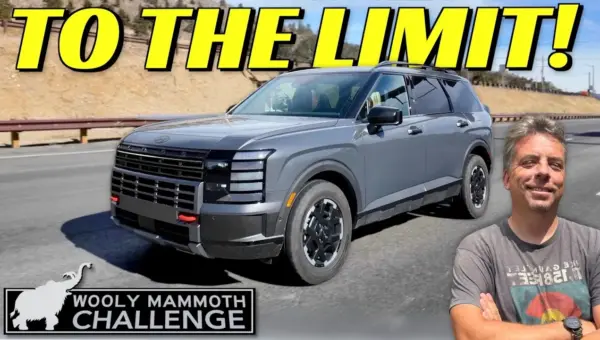
Hyundai Palisade’s Driver Assist Struggles on Tough Test
The 2026 Hyundai Palisade XRT Pro's Highway Driving Assist (HDA) system was put to the test and scored a low 30 points. While capable on straighter roads, it struggled with right-hand curves, requiring driver intervention. This highlights the system's limitations as an assist feature rather than a fully autonomous solution.


Nvidia’s Self-Driving Tech Powers LA Test Drive
Nvidia's L2++ autonomous driving platform was tested in a real-world LA drive, showcasing its sensor fusion and decision-making capabilities. The company plans a nationwide rollout and Level 4 robo-taxi services, signaling strong progress in the autonomous vehicle market.

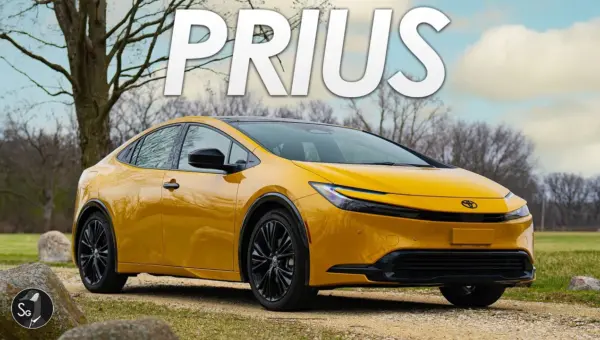
Toyota Prius: Haters Silenced, Hybrid King Lives On
The Toyota Prius, once a symbol of environmentalism and later a target of criticism, has evolved into a sophisticated hybrid. Toyota's long-term investment in hybrid technology has made the Prius and its brethren reliable and affordable, solidifying their place in the market.