Trump’s Shoes: A Tool to Control and Humiliate Aides
A cult expert suggests Donald Trump's habit of buying shoes for his staff is a tactic to humiliate and control them. This method aims to strip individuals of their identity and enforce subservience. The practice draws parallels to historical authoritarian leaders who used demeaning acts to maintain power.

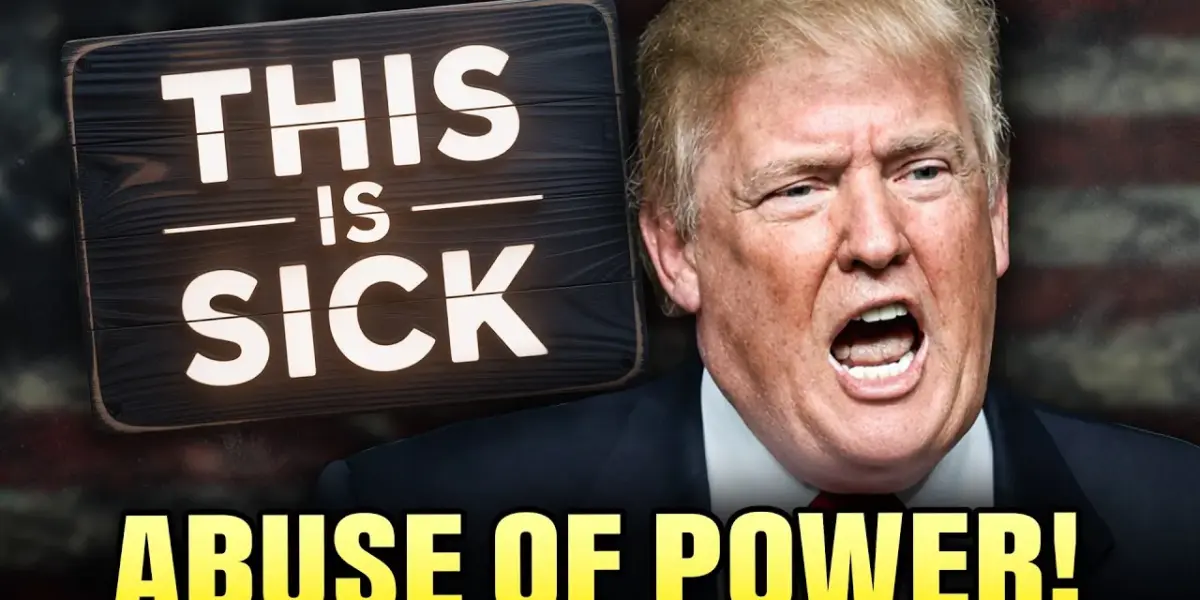
Trump’s Shoes: A Tool to Control and Humiliate Aides
Donald Trump reportedly has an unusual habit: buying special shoes for people in his White House, including members of his cabinet. This practice has drawn attention, especially when figures like Marco Rubio were seen wearing shoes that appeared to be too large, leading to public mockery. However, some experts suggest there’s a deeper meaning behind this act, seeing it not just as an awkward fashion choice but as a deliberate tactic.
The Psychology of Control
Cult expert Stephen Hassan, author of “The Cult of Trump,” believes this behavior goes beyond simply getting the wrong shoe size. He views it as a method of humiliation designed to keep his staff subservient. Hassan explains that in cults, followers are often encouraged to suppress their own identities. They are trained to think, feel, and act like the cult leader.
“True believers… are psychologically and emotionally programmed and trained where your real identity is suppressed by the cult identity that’s in the image of the cult leader. The cult followers are to think like, feel like, and walk like the cult leader.”
From this perspective, forcing people to wear the leader’s chosen shoes is a way to strip them of their personal choices and individuality. It’s a way of saying, “You are not yourself anymore; you are now like me.” This process aims to break down their emotional and psychological defenses, making them more easily controlled.
Humiliation and Mockery
The act of wearing ill-fitting shoes can also be deeply humiliating. According to reporting from Chanty Dega Salon.com, Trump may have used oversized shoes to mock his staff, playing on an old saying about small feet. This constant ridicule and mockery, experts suggest, is part of a psychological strategy. It’s designed to exert complete control over those closest to him, influencing every aspect of their lives, even down to the shoes they wear.
Historical Parallels
This kind of behavior isn’t entirely new. Chanty Dega also pointed out historical examples of leaders demanding absolute obedience through demeaning acts. Joseph Stalin, for instance, famously demanded endless applause from his subordinates. Stopping applause too soon could lead to severe punishment, even death. Stalin also forced senior Communist Party officials to perform dances on command.
Nikita Khrushchev, who succeeded Stalin, recalled being forced to do a squat-and-kick dance at Stalin’s whim. Khrushchev admitted it was difficult for him, but he complied because, as he put it, “when Stalin says play, a wise man plays.” This historical context suggests that demanding compliance through humiliation and control has been a tactic used by authoritarian figures for a long time.
Implications and Future Outlook
The comparison to historical figures like Stalin, while stark, highlights the seriousness with which some experts view Trump’s alleged methods. The idea is that these actions, whether buying shoes or demanding specific behaviors, are not random but part of a pattern. They are intended to establish dominance and ensure unquestioning loyalty from those in positions of power around him.
This approach raises questions about leadership styles and the potential for abuse of power. It suggests a leader who prioritizes control and personal validation over fostering genuine collaboration or respect among his team. The long-term effect of such a leadership style can be a staff that is fearful and less likely to offer honest advice or challenge decisions.
Why This Matters
Understanding these dynamics is crucial because it sheds light on the inner workings of power. When leaders use tactics of humiliation and control, it impacts decision-making, staff morale, and the overall effectiveness of an organization or administration. The public’s perception of leaders is often shaped by their public actions, but understanding the underlying psychological strategies can provide a more complete picture.
This analysis suggests that seemingly small or bizarre actions can have significant underlying meanings. It encourages us to look beyond the surface and consider the potential psychological motives behind a leader’s behavior. The goal is to ensure that leadership is based on trust and respect, not on fear and subjugation. The historical echoes, while concerning, serve as a reminder of the importance of vigilance in safeguarding against such patterns of behavior in leadership roles.
Source: Trump Accused of Hazing His Cabinet To Keep Them Subordinate (YouTube)

Related Articles
Trump’s Name Everywhere: A ‘Stain’ on GOP Legacy?
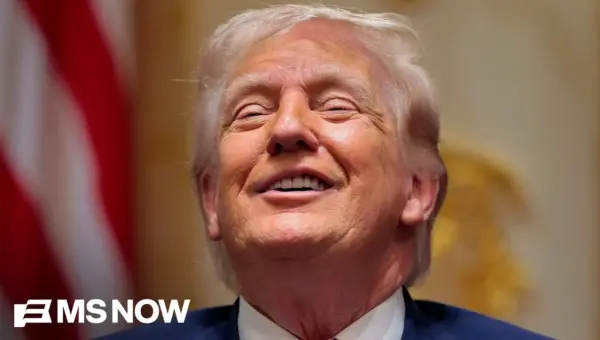
Former President Donald Trump's efforts to brand national symbols, including a proposed signature on dollar bills, spark debate. Critics view this as an authoritarian attempt to embed his legacy, potentially staining the Republican Party's history and contrasting with democratic ideals of public ownership.


Trump’s War Talk Stuns Financial Crowd
Donald Trump's recent speech in Miami focused on his foreign policy, particularly his critical views on NATO and his vision for international relations. He declared the U.S. would no longer defend NATO allies, questioned the value of existing alliances, and suggested renaming the Strait of Hormuz. The speech also touched on his personal views of success, his allies, and his perceived role as a global peacemaker.
Trump’s Warpath: New Threats Signal Imperial Ambitions
Recent statements from Donald Trump reveal a potential embrace of increased military action and interventionist foreign policy. This approach, characterized by critics as "imperialism 2.0," contrasts with his past promises of peace and has even drawn criticism from parts of his own base. The implications for U.S. global engagement and domestic priorities are significant.