Iran Conflict Sparks Oil Price Fears, Recession Risk
Escalating US-Iran tensions raise fears of oil price spikes and a potential global recession. Military actions in the Strait of Hormuz could cripple oil exports, while geopolitical uncertainty weighs heavily on global markets.


Geopolitical Tensions Escalate, Threatening Global Oil Supply and Economic Stability
The global financial markets are on edge as heightened tensions between the United States and Iran signal a potential major escalation. Analysts warn that any significant disruption to oil exports from the Strait of Hormuz could send oil prices soaring, potentially triggering a global recession.
Oil Price Volatility Looms
Larry Fink of BlackRock pointed out the stark binary outcomes for oil prices in the event of conflict. “The problem with this war is there’s no middle outcome,” Fink stated. Prices could plummet to around $40 a barrel if production ramps up and the conflict de-escalates. Conversely, a prolonged conflict or disruption could push prices to $150 per barrel or higher. Such a surge, especially over the coming months, could lead to a global recession, he cautioned.
US Military Posturing and Potential Actions
Reports suggest the White House is considering a “crushing show of force” against Iran. Leaks indicate potential military actions could include invading or blockading key islands controlling Iranian oil exports, such as Qeshm Island. The aim would be to solidify control over the Strait of Hormuz, a critical chokepoint for global oil trade. Despite public statements downplaying the strait’s importance, military preparations suggest a different strategy may be in play.
One proposed strategy involves a “Venezuela-style option,” potentially a joint venture on oil production and exports, with the US taking a share of the profits. However, the feasibility of Iran agreeing to such a deal is considered unlikely.
Further military options reportedly include invading other islands like Larak, which hosts military outposts and attack craft capable of mine deployment. The US might also seize ships and control operations throughout the strait. Additionally, operations deep inside Iran to secure highly enriched uranium are reportedly being considered. Intelligence suggests the US may know the location of approximately 460 kilograms of 60% enriched uranium, potentially at a site known as Pickax Mountain.
Iran’s Response and Defense Capabilities
Iran has responded with stern warnings. One negotiator stated that any enemy action would result in “relentless attacks” on vital infrastructure across the region. Iran also claims the capacity to manufacture around 400 drone weapons per day, including advanced kamikaze drones like the Shahed 136. Concerns exist that Iranian drone manufacturing facilities may have been moved to Russia, creating a potential two-way flow of weaponry back into Iran via the Caspian Sea, bypassing potential US strikes on Iranian soil.
Economic Ramifications and Global Impact
The Organization for Economic Co-operation and Development (OECD) has warned of significant global economic hits in 2026 and even worse in 2027 if the conflict continues. The United Kingdom and Europe are seen as particularly vulnerable due to weaker economic momentum entering the current period. The disruption of liquefied natural gas (LNG) infrastructure also poses a severe threat, as damaged plants could take years to repair, unlike oil pipelines.
The number of oil ships passing through the Strait of Hormuz has reportedly fallen drastically, from 40-50 daily to just eight. This reduction impacts not only oil but also LNG shipments, further pressuring global energy markets.
Market Reactions and Investor Concerns
The escalating tensions have already impacted financial markets. The 2-year Treasury yield has risen sharply, nearing 4%, while the 10-year yield stands at 4.39%. Brent crude oil prices are trading around $107 per barrel, and mortgage rates have climbed to 6.38%. Several stocks have seen significant declines, including SanDisk down 9% and Microsoft down 5%, reflecting broader market bearishness. The VCX Fundrise Fund experienced a dramatic drop of over 50% following bearish calls.
What Investors Should Know
- Oil Price Shock: A conflict escalating in the Strait of Hormuz could lead to a rapid surge in oil prices, impacting inflation and consumer spending globally.
- Recession Risk: High oil prices, coupled with existing economic slowdowns, increase the likelihood of a global recession in the near to medium term.
- Geopolitical Uncertainty: The situation remains highly fluid, with military actions and diplomatic efforts constantly evolving. Investors should monitor news from the region closely.
- Energy Market Disruption: Beyond oil, LNG infrastructure is also at risk, potentially causing severe long-term damage to global energy supplies.
- Market Volatility: Expect continued market volatility as investors react to geopolitical developments and their potential economic consequences.
The situation underscores the delicate balance between geopolitical stability and global economic health. The coming weeks will be critical in determining whether tensions de-escalate or lead to a more profound economic downturn.
Source: Trump is about to "CRUSH" Iran | Major Escalation (YouTube)

Related Articles


Markets Tumble Amid Iran Tensions and Shutdown Gridlock
Wall Street experienced a significant slide today, with the Dow and Nasdaq entering correction territory, driven by escalating tensions with Iran and market uncertainty. Meanwhile, a government shutdown continues to cause chaos at airports nationwide, leaving thousands of workers unpaid and travelers facing long delays. The global energy supply is also under pressure, impacting prices and availability worldwide.


Trump’s Inner Circle Shields Him From War Reality
President Trump reportedly receives heavily filtered updates on the conflict with Iran, focusing on successes while downplaying setbacks. This intentional information control aims to maintain his belief in a decisive victory, but raises concerns about his ability to make informed decisions.
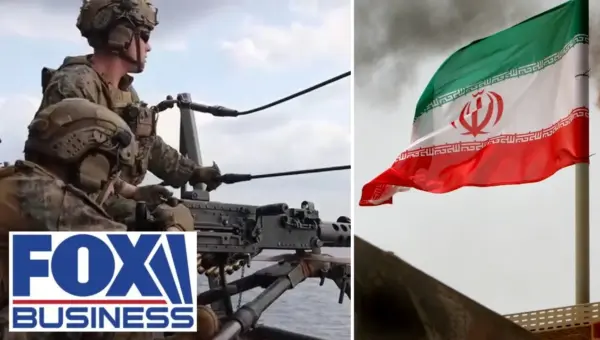
Pentagon Weighs 10,000 Troops for Iran Showdown
The Pentagon is reportedly weighing a significant troop increase of 10,000 soldiers to the Middle East, potentially escalating tensions with Iran. This move comes amid reports of U.S. precision strikes and interceptions of Iranian missiles by allies, raising concerns about regional stability and global oil supplies.