Iran’s Nuclear Program Under Scrutiny After Key Official’s Death
A new PBS Frontline documentary features the final on-camera interview with a top Iranian security official, Ali Larijani, who was recently killed in air strikes. The film examines Iran's nuclear program and the potential shift towards a more hard-line approach following Larijani's death. It also explores the challenges of reporting from Iran and the impact of regional tensions.

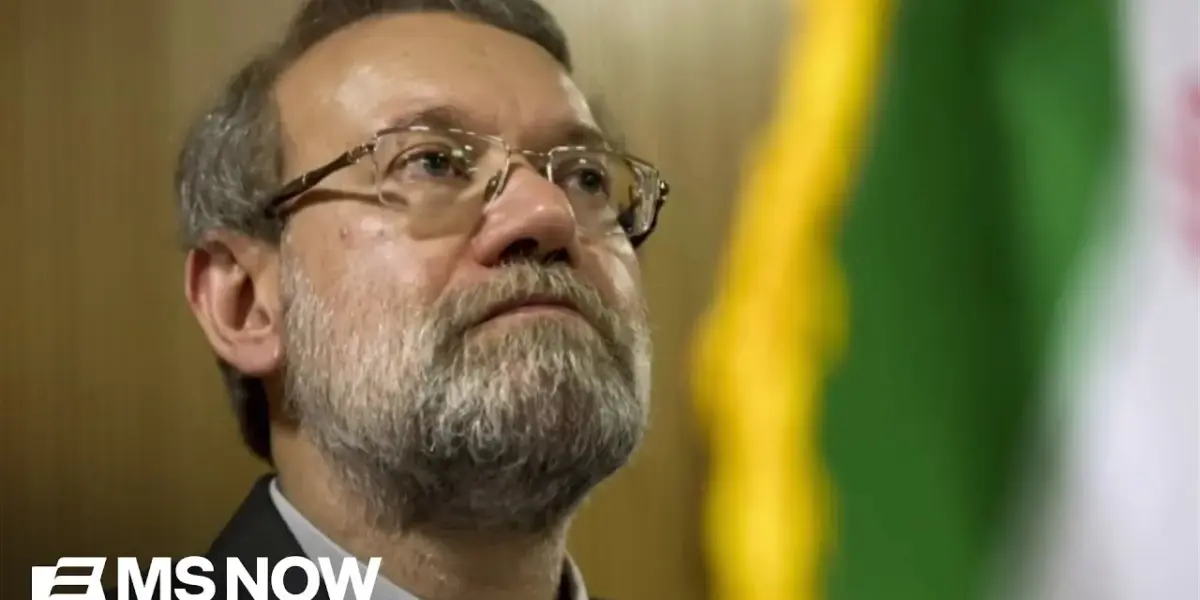
Top Iranian Security Official Killed Amid Nuclear Program Investigation
A top Iranian security official, Ali Larijani, recently killed in air strikes, was interviewed for an upcoming PBS Frontline documentary titled “Strike on Iran, the Nuclear Question.” Larijani, widely viewed as a pragmatist capable of bridging Iran’s military and political factions, was seen as a key figure for potential negotiations. His death raises significant questions about who will lead future talks and whether a more hard-line approach will emerge within the Iranian government.
New Documentary Explores Iran’s Nuclear Ambitions
The updated version of the PBS Frontline documentary, set to air next week, features Larijani’s last on-camera appearance with an American outlet. Award-winning journalist Sebastian Walker, with over two decades of experience covering the region, produced the film. Walker and his reporting partner, Adam Desiderio, spent two weeks in Iran examining the impact of previous strikes on the country’s nuclear program. They investigated Iran’s ability to rebuild facilities and its use of conventional missiles to influence regional dynamics.
Iran’s Resilience and Strategic Leverage
Despite the loss of Larijani, the Iranian Revolutionary Guard remains a powerful force. The documentary’s reporting included visits to critical energy infrastructure sites near the Strait of Hormuz, a vital waterway for global oil supply. These sites have been targets in previous strikes, highlighting their importance and the high security surrounding them. Protecting these facilities is a top priority for Iranian authorities, serving as a key point of leverage in the ongoing conflict.
“His message was defiant. He was saying essentially Iran will never surrender.”
Challenges of Reporting from Iran
Reporting from within Iran presents significant challenges for journalists. During their filming trip, Walker and his team faced numerous limitations, including constant escorts, making authentic conversations with ordinary Iranians difficult. To overcome these obstacles, the team collaborated with reporting partners from The Washington Post, Belinkad, and Evident Media. They also utilized open-source social media feeds and communicated with people on the ground to gather information.
Public Reaction and Regional Tensions
Sources on the ground in Iran have reported a sense of shock among the population regarding the extent of recent strikes, which have targeted the capital, Tehran, and energy infrastructure. This intensity may be resetting any goodwill that existed after previous strikes, especially following the large protests and subsequent crackdown earlier in the year. The internet blackout, which began during those protests, continues to hinder information flow to the Iranian people.
Strained Relationships with Gulf Neighbors
Recent U.S.-Israeli operations have led Iran to retaliate, damaging its relationships with neighboring Gulf states, particularly the UAE. Cities like Dubai and Abu Dhabi, symbols of progress, now face real fear of further disruption. These tensions put stress on regional relationships, especially those centered around energy. For instance, Qatar and Iran share the world’s largest natural gas field, the North Dome/South Pars field, highlighting their intertwined interests.
Iran’s Unwavering Stance
During his interview, Ali Larijani conveyed a defiant message, stating that Iran would never surrender and that its nuclear program could not be destroyed. He indicated that further strikes would not deter Iran from its chosen path. This unwavering stance suggests that Iran is not currently showing signs of backing down or seeking a deal, despite U.S. demands. The interview underscored a strong message of resistance from one of Iran’s most influential leaders.
Looking Ahead
The updated Frontline documentary promises to offer further insights into Iran’s nuclear program and its complex political landscape. As regional players engage in efforts to de-escalate the conflict, the focus remains on who will emerge as the key figures for negotiation and whether Iran’s hard-line stance will soften. The world watches closely to see how these developments unfold and their impact on global security.
Source: Top Iranian security official killed in air strikes featured in new PBS documentary (YouTube)

Related Articles
U.S. Iran Tensions Rise Amid Shifting Alliances
Rising tensions between the U.S. and Iran are creating a volatile geopolitical situation. With conflicting signals on de-escalation and potential shifts in alliances like NATO and U.S.-Israel relations, the path forward remains uncertain. The global economy and regional stability hang in the balance.

Iran Targets US With Cyberattacks, Escalating Digital Warfare
Iran is increasingly using cyberattacks to challenge the U.S., as seen in a recent hack of the FBI director's account. Experts say this is a strategic shift due to Iran's limitations in conventional warfare. The U.S. needs to strengthen its digital defenses, focusing on encryption and cloud computing, rather than solely relying on traditional security measures.
Ukraine Strikes Russian Oil Refinery, Eyes Iran Threat
Ukrainian forces struck a key Russian oil refinery, disrupting Moscow's war capabilities. Meanwhile, Finland's president urged continued U.S. support for Ukraine, as Kyiv shares its air defense expertise globally amid growing geopolitical complexities involving Iran and potential sanctions against Hungary.