Trump’s Iran Claims Expose Authoritarian Roots
Donald Trump's conflicting statements and declarations about Iran, particularly his assertion that the U.S. can "do whatever we want," reveal a concerning authoritarian mindset. This approach echoes past aggressions and poses risks to global stability.

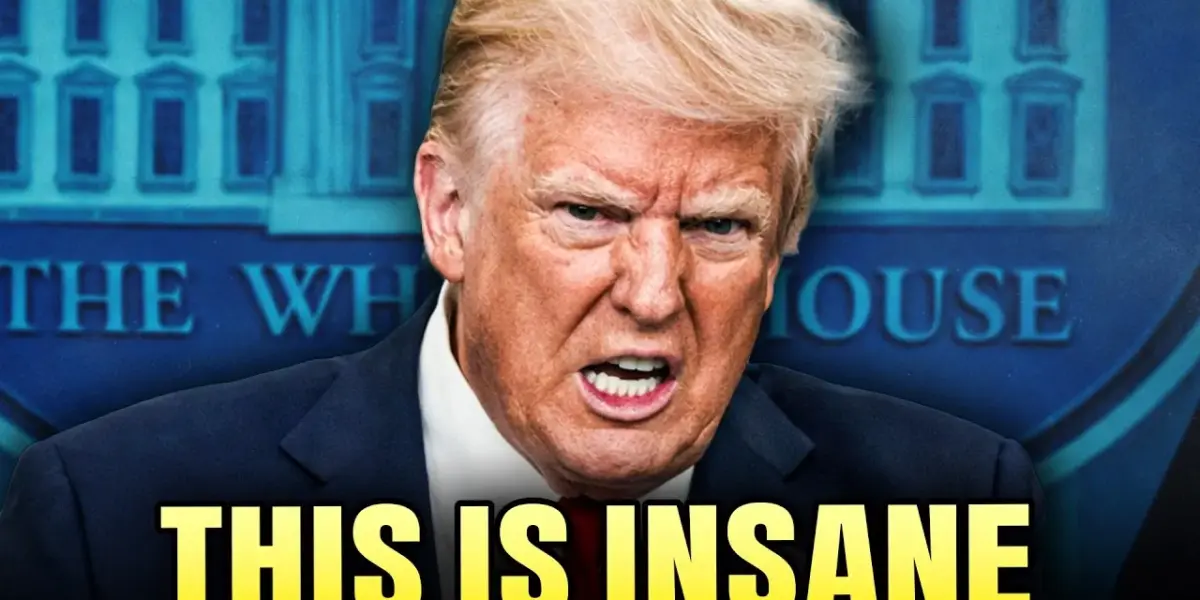
Trump’s Wild Claims About Iran Signal Dangerous Authoritarianism
In recent days, Donald Trump has made a series of conflicting statements about Iran. One moment he says Iran wants a deal, but the U.S. doesn’t. The next, he claims negotiations are going “great” with “perfect conversations.” Then, Iran denies any such talks ever happened. This back-and-forth suggests a confusing approach to foreign policy, but it also points to something more concerning: an authoritarian mindset.
Conflicting Statements Cloud Iran Policy
Trump’s statements about Iran have been all over the place. He first stated that Iran desperately wants a deal, while the U.S. is uninterested, aiming instead for their complete destruction. However, he quickly followed this by saying negotiations were ongoing and successful, even calling them the “best negotiations ever.” Iran, however, has refuted these claims, stating that Trump’s account is false. This inconsistency raises questions about the actual state of U.S.-Iran relations and the reliability of the information being shared.
‘We Can Do Whatever We Want’: A Disturbing Declaration
When asked by reporters about who was handling negotiations with Iran, Trump mentioned his son-in-law and special envoy Steve Witkoff. He admitted he didn’t know exactly who they were talking to, only that it wasn’t the leader of the country. He then added a chilling statement: “We can do whatever we want in Iran.” This declaration suggests a belief that the U.S. is not bound by international laws or treaties when it comes to Iran. It implies a desire for unchecked power and control, a hallmark of authoritarian leaders.
Comparing Trump to Putin: A Troubling Parallel
Trump’s assertion that “we can do whatever we want” echoes similar language used by Russian President Vladimir Putin before the invasion of Ukraine. Putin believed Russia could simply march into Ukraine and take control quickly. Trump seems to hold a similar view regarding Iran, believing the U.S. can operate freely within its borders. This parallel is alarming, as the conflict in Ukraine has dragged on for years, causing immense suffering. History suggests that such authoritarian overreach rarely ends well.
Iran’s Response and the Reality on the Ground
Despite Trump’s claims of U.S. dominance, reality paints a different picture. Iran has released videos mocking Trump, highlighting his perceived weaknesses and distractions, such as the ongoing Epstein case coverage. Iran continues to control the Strait of Hormuz, a vital shipping lane, even though Trump claims their military capabilities are almost entirely destroyed. This discrepancy between Trump’s rhetoric and observable facts indicates a disconnect from reality. His administration might be trying to portray a picture of overwhelming U.S. power, but Iran’s actions suggest otherwise.
The Authoritarian Impulse: More Than Just Rhetoric?
Trump’s repeated claims of being able to “do whatever he wants” are not just off-the-cuff remarks. They reflect a deeper authoritarian tendency. This mindset views foreign nations not as sovereign entities but as extensions of one’s own will or empire. It dismisses established international norms and legal frameworks in favor of unilateral action. This is a dangerous path, as it can lead to increased global instability and conflict.
Why This Matters
Trump’s rhetoric about Iran is significant because it reveals a potential approach to foreign policy based on brute force and disregard for international law. Such an approach can escalate tensions, provoke retaliation, and lead to wider conflicts. It undermines diplomatic efforts and the stability that international cooperation aims to achieve. The comparison to Putin’s actions in Ukraine serves as a stark warning about the potential consequences of unchecked authoritarian ambitions.
Historical Context
The U.S. has a long history of involvement in the Middle East, including complex relations with Iran. Following the 1979 revolution, U.S.-Iran relations have been strained, marked by periods of intense hostility and occasional, albeit limited, diplomatic engagement. Trump’s “maximum pressure” campaign aimed to cripple Iran’s economy and force it to renegotiate a nuclear deal. However, his administration’s communication style and apparent disregard for established protocols have often created confusion and heightened anxieties.
Implications and Future Outlook
If Trump’s “we can do whatever we want” attitude becomes the guiding principle of U.S. foreign policy, the global order could face significant challenges. It risks alienating allies, emboldening adversaries, and increasing the likelihood of miscalculation and conflict. The situation with Iran, characterized by contradictory statements and a perceived authoritarian impulse, serves as a critical case study. It highlights the need for clear, consistent, and law-abiding foreign policy, especially in volatile regions. The long-term outlook depends on whether leaders adhere to international norms or pursue unilateral actions, a choice that will shape global stability for years to come.
Source: Mad Tyrant Trump Says He Can ‘Do Whatever He Wants’ In Iran (YouTube)

Related Articles

Iran Targets US With Cyberattacks, Escalating Digital Warfare
Iran is increasingly using cyberattacks to challenge the U.S., as seen in a recent hack of the FBI director's account. Experts say this is a strategic shift due to Iran's limitations in conventional warfare. The U.S. needs to strengthen its digital defenses, focusing on encryption and cloud computing, rather than solely relying on traditional security measures.

Iran Hacks FBI Chief, Exposing U.S. Cyber Vulnerabilities
A recent hack of FBI Director Kash Patel's personal email by an Iran-linked group highlights Iran's growing cyber threat to the U.S. Experts explain how simple security oversights are exploited, emphasizing the need for basic defenses like two-factor authentication to protect against propaganda and potential infrastructure attacks.

Protesters Challenge Presidential Power, Ignite Debate
Millions are protesting nationwide under the "No Kings" banner, challenging presidential authority and policies they deem unconstitutional. Organizers emphasize First Amendment rights while debating foreign policy, immigration, and the balance of power.