Taliban Free American Hostage, Shifting Regional Dynamics
The Taliban has released American hostage Dennis Coyle, marking a significant moment amidst complex regional geopolitics. The move may signal a strategic effort by the Taliban to improve its international standing and potentially ease sanctions, while highlighting the ongoing US commitment to securing its citizens abroad.


Taliban Release American Hostage, Signaling Shifting Geopolitics
A significant development unfolded today as the Taliban released Dennis Coyle, a 64-year-old American citizen from Colorado who had been held captive. The news broke as Coyle was seen boarding a plane to return to the United States, marking a moment of relief for him and his family. This event, while focused on an individual’s freedom, occurs against a backdrop of complex international relations and evolving power plays in Afghanistan and the wider region.
Motivations Behind the Release
The Taliban’s decision to release Dennis Coyle appears to be a calculated move. By freeing an American national, the group likely aimed to foster a more positive international image and potentially open doors for diplomatic engagement or humanitarian aid. In the past, such releases have been used by various groups to signal a willingness to de-escalate tensions or to gain concessions. The Taliban, now governing Afghanistan, faces immense pressure to legitimize its rule and secure economic stability. Demonstrating a capacity for facilitating the safe return of foreigners could be part of this broader strategy.
US Administration’s Role
The release followed direct inquiries about the administration’s efforts to secure Coyle’s freedom. While specific details of the negotiations remain undisclosed, the swift response from officials indicates a high priority placed on the case. The US government has consistently worked to secure the release of its citizens held abroad, often through quiet diplomatic channels or, in some instances, through prisoner exchanges or other forms of negotiation. The administration’s involvement highlights the ongoing, albeit often behind-the-scenes, engagement with Afghan authorities.
Regional Context and Historical Precedents
Afghanistan has long been a focal point of international geopolitics, with numerous foreign powers involved over decades. The current situation under Taliban rule is a direct consequence of the withdrawal of US and NATO forces in 2021. The Taliban’s return to power after a 20-year conflict has reshaped regional alliances and security concerns. Historically, hostage situations have been used as bargaining chips by various actors in conflict zones. The resolution of Coyle’s case, whether through direct negotiation or indirect pressure, adds another layer to the complex web of relationships between Afghanistan and the international community.
Economic and Diplomatic Implications
The Taliban government is currently under heavy international sanctions, limiting its access to global financial systems and hindering economic recovery. Humanitarian aid remains a critical lifeline for the Afghan population. By releasing Coyle, the Taliban may be seeking to demonstrate a degree of cooperation that could, in the long term, influence the easing of some restrictions or encourage greater international engagement. However, the broader geopolitical landscape remains challenging, with many countries hesitant to formally recognize the Taliban regime due to human rights concerns, particularly regarding women’s rights.
Future Scenarios
The release of Dennis Coyle could be a small step towards broader de-escalation or a purely symbolic gesture. One scenario is that this leads to increased dialogue on other issues, potentially including humanitarian aid delivery or counter-terrorism efforts. Another possibility is that this remains an isolated incident, with the Taliban continuing its current policies and facing continued international isolation. The long-term impact will depend on the Taliban’s future actions and the international community’s response, particularly concerning security and human rights.
Global Impact
This event underscores the intricate nature of international diplomacy, especially in regions marked by conflict and political transition. It highlights the enduring challenge of securing the release of citizens held abroad and the complex motivations that drive such outcomes. For the United States, it represents a successful resolution to a pressing consular case. For the Taliban, it may be a strategic move to improve their international standing. The situation in Afghanistan continues to have ripple effects across Central and South Asia, influencing security, migration, and regional stability.
Source: An American man's newfound freedom. (YouTube)

Related Articles

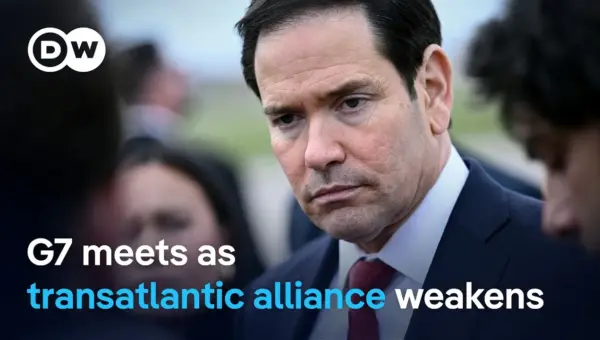
G7 Allies Clash Over Iran War Strategy, Urge Focus on Russia
G7 foreign ministers met in Paris, revealing deep divisions over the U.S. war with Iran. European allies urged the U.S. to pressure Russia, linking its actions to the conflict and fearing support for Ukraine will wane.


Iran Blocks China Ships, Exposing Beijing’s Weak Grip
Iran's recent decision to block Chinese ships at the Strait of Hormuz is exposing the limits of Beijing's influence in the Middle East. This action is causing delays and cancellations for Chinese manufacturers, turning a perceived geopolitical win into an economic strain.
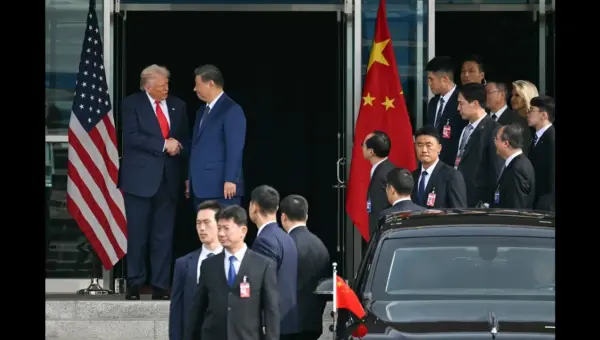
Trump’s “Walk Away” Tactic Signals Tougher Stance on China
Retired Air Force Brigadier General David Stillwell believes President Trump's strategy of being willing to walk away from negotiations puts pressure on China. This tactic, combined with US global actions and strengthened alliances, signals a more assertive American foreign policy.