Maduro Faces Court Over Legal Fees Amid Sanctions
Ousted Venezuelan President Nicolás Maduro appeared in a New York court today, where his legal team revealed he cannot afford their fees due to U.S. sanctions. This development complicates a routine hearing and raises questions about his right to a defense. Meanwhile, international observers discuss Venezuela's stability and human rights concerns.

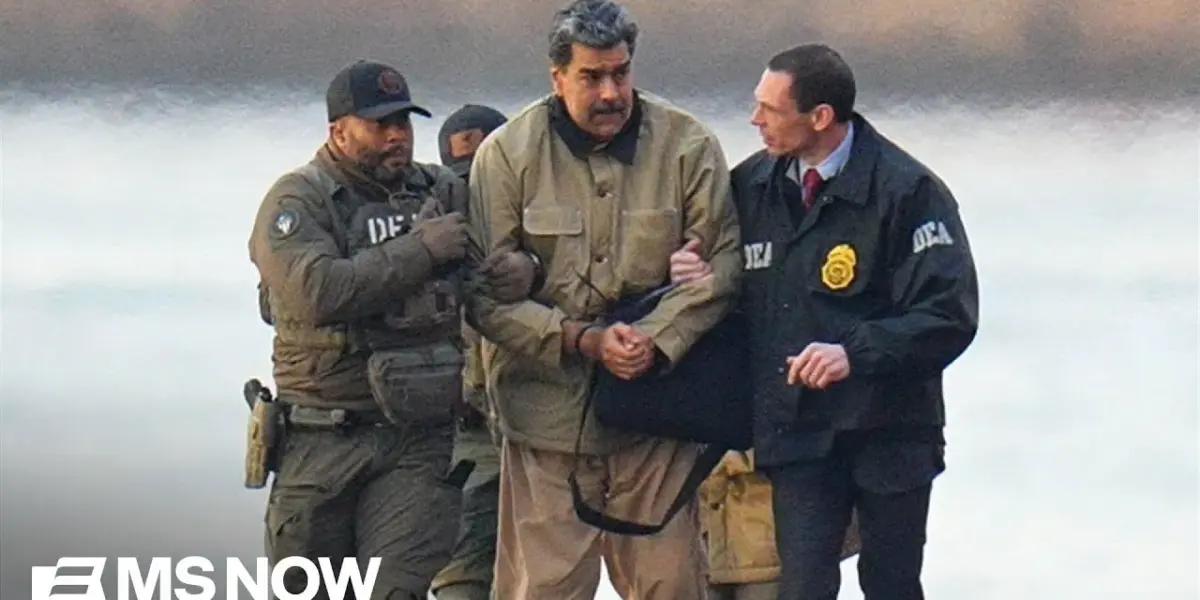
Maduro in New York Court Over Legal Defense Funding
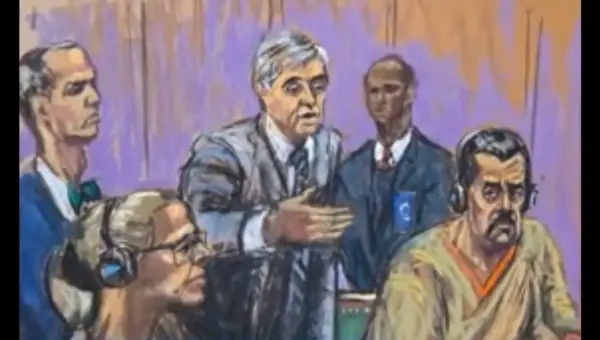
Ousted Venezuelan President Nicolás Maduro appeared in a New York federal court today for a routine hearing that quickly became complicated. He and his wife, Cilia Flores, were present before Judge Alvin Hellerstein to discuss the case’s progress. However, a major issue arose: Maduro’s legal team revealed he cannot pay their fees due to U.S. sanctions against Venezuela.
Sanctions Block Access to Legal Counsel
The core of the hearing shifted as Maduro’s lawyer explained the challenge. Unlike typical defendants, Maduro cannot simply write a check to his lawyers. U.S. government sanctions prevent such transactions. To legally pay his defense team, Maduro needs a special license from the Treasury Department. This license has not been granted.
Maduro’s defense team argues that the U.S. government’s actions are actively hindering his ability to defend himself. This situation presents a significant legal hurdle. Judge Hellerstein must now find a way for Maduro to secure legal representation, as he is entitled to it. The court’s ability to move forward with pre-trial motions and set a trial date hinges on resolving this funding issue.
“The federal government is actually interfering with his ability to defend himself.”
– Fallon Gallagher, MSNOw Legal Affairs Reporter
Venezuelans Watch Closely, Divided on Developments
Outside the courthouse, protests for and against Maduro have grown in size. Inside the courtroom, the legal battle highlights broader international concerns. Former U.S. Ambassador to Venezuela, James Story, noted that Maduro has been in detention for over two months, calling himself a prisoner of war.
The situation is being watched intensely in Venezuela. Ambassador Story stated that the vast majority of Venezuelans are pleased to see Maduro in jail. However, this sentiment is mixed with dismay because his former vice president now holds power. This raises questions about the legitimacy of the current leadership and potential international legal complexities.
Venezuela’s Stability and Human Rights Concerns
Ambassador Story offered his assessment of Venezuela’s current situation. He described the country as stable, but in a way that mirrors its previous state. The same group of people remain in power. He pointed to changes in leadership, such as the head of the secret police now leading the military. While some welcome the departure of individuals with sanctions against them, Story suggested that equally or more problematic figures are taking their place.
Human rights defenders, like Javier Tarazona, are not receiving amnesty, despite merely pointing out abuses. Ambassador Story expressed disappointment that efforts to open economic ties are not paralleled by advancements in democracy and human rights. High-level U.S. officials have visited Venezuela to discuss economic opportunities. However, the issues of democracy and allowing citizens to voice their opinions are not being adequately addressed.
Questions on Legitimacy and Future Elections
The role of Delcy Rodríguez, who took over as interim president, is also under scrutiny. The U.S. has indicated a willingness to work with her. However, Ambassador Story questioned her legitimacy, stating her position as vice president was obtained through Maduro and lacks derivative authority. He characterized the U.S. government’s decision to work with her as a political one.
A key concern is when the process for new elections can begin and how to help re-institutionalize the country. While Rodríguez may be working with the U.S. leading up to the midterms, Ambassador Story expressed doubt about her intention to relinquish power through free and fair elections afterward. The current legal battle over Maduro’s defense fees underscores the complex web of sanctions, political maneuvering, and the ongoing struggle for stability and democracy in Venezuela.
Source: Ousted Venezuelan President Nicolás Maduro in New York court today (YouTube)

Related Articles
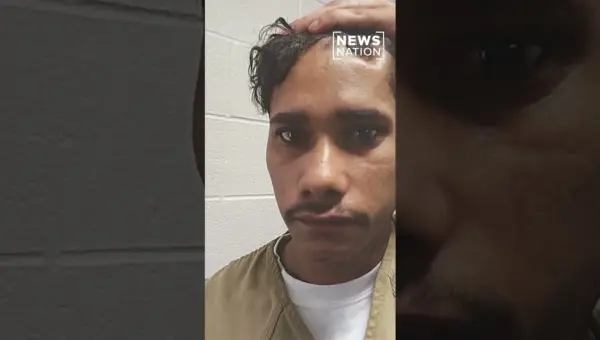
Immigration Debate Ignites Over Murder Suspect’s Status
A Venezuelan national accused of murder has become a focal point in the U.S. immigration debate. Prosecutors presented evidence of his alleged involvement in a student's death, while the defense highlighted his difficult background. The case raises questions about public safety and migrant support.
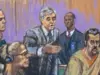
Judge May Let Maduro Pay Legal Bills: A Fight Over Sanctions
A judge is leaning towards allowing former Venezuelan leader Nicolás Maduro to use foreign funds for his legal defense, despite U.S. sanctions. The ruling could impact how sanctions affect the right to counsel in similar cases.
Govt Shutdown Sparks Airport Chaos, Iran Tensions Rise
The U.S. faces a trifecta of crises as a government shutdown cripples airports with record TSA delays, escalating tensions with Iran send stocks plummeting, and a judge refuses to dismiss drug trafficking charges against Nicolas Maduro. Meanwhile, the IOC implements a controversial ban on transgender athletes in women's sports, and Savannah Guthrie shares her family's pain over her mother's disappearance.