Trump’s Gaffes Expose War Strategy Chaos
A recent cabinet meeting revealed significant confusion in Donald Trump's foreign policy, particularly regarding Iran. Amidst verbal gaffes and a diplomatic standoff with Tehran, the meeting highlighted a fractured strategy and a disconnect between leadership priorities and the economic realities faced by Americans.

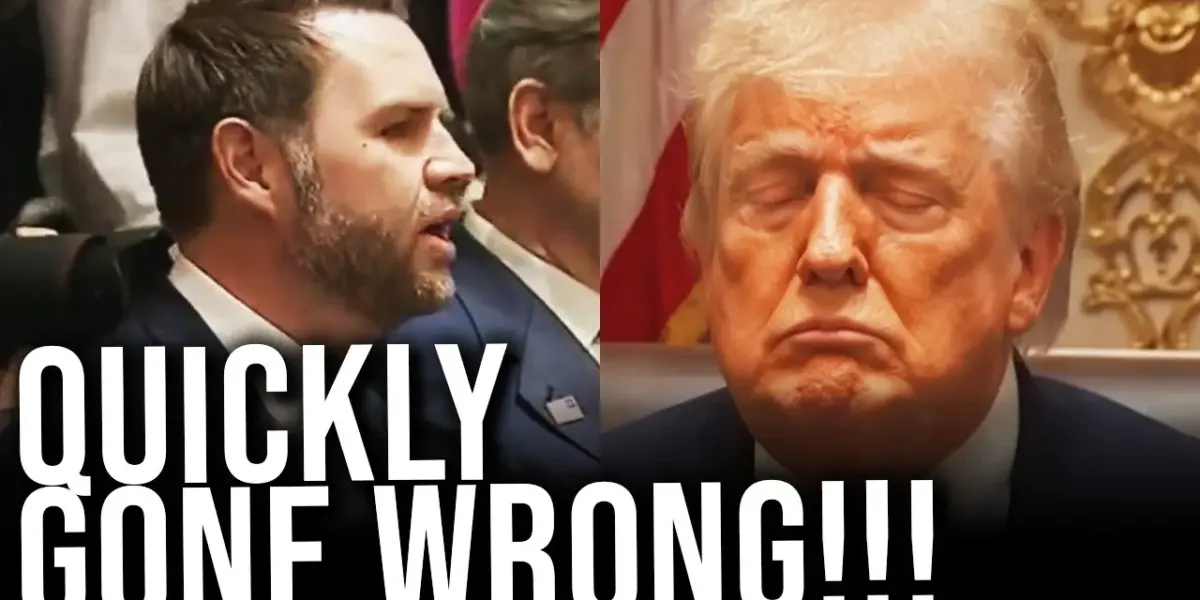
Trump’s Gaffes Expose War Strategy Chaos Amidst Conflicting Diplomacy
A recent cabinet meeting, intended to project strength and unity, instead revealed significant confusion and missteps within Donald Trump’s foreign policy approach, particularly concerning Iran. The meeting, attended by figures like Marco Rubio, JD Vance, and Steve Witkoff, highlighted a deeply fractured strategy. This comes as Iran has reportedly declared it is finished negotiating with Trump’s chosen envoys, Jared Kushner and Steve Witkoff, stating they would only engage with Vice President JD Vance.
Iran’s Diplomatic Stalemate
Iran’s refusal to continue talks with Kushner and Witkoff stems from a feeling of betrayal. They believe these negotiators strung them along with discussions while Trump’s administration continued military strikes. Iran now insists on dealing solely with JD Vance, who is present at the meeting. Vance, known for his more anti-war stance, appears to be an unexpected point of contact for Iran, though the analysis suggests he too is a loyalist to Trump’s agenda, potentially offering no genuine shift in policy.
Cognitive Slip-ups and Shifting Narratives
The meeting was marked by several verbal missteps from Trump himself. At one point, he suggested the U.S. accidentally hit Iran with a nuclear weapon, a statement quickly followed by him mentioning bombing Ireland. These errors, occurring mere moments apart, raise concerns about clarity and focus, especially for a leader involved in wartime decisions. Trump also contradicted his own administration’s claims by complaining that Iran possesses long-range missiles, despite his previous assertions that their military capabilities had been destroyed.
“He is putting his face all over buildings and on coins. Yet he’s saying that we accidentally hit Iran with a nuke.”
NATO Criticisms and Historical Context
Trump also reiterated his long-standing criticism of NATO, calling it a “paper tiger” that doesn’t support the U.S. This viewpoint ignores historical instances where NATO allies have come to America’s aid. For example, Article 5 of the NATO treaty was invoked by the U.S. after 9/11, and European nations, including the UK and Canada, sent troops to fight alongside American forces in the Middle East. The analysis points out the irony of Trump expecting immediate support from Europe now, after he previously seemed to abandon Ukraine when it needed help against Russian aggression.
Mission Inversion and Strategic Confusion
The current military operation, termed “Operation Epic Fury,” is described as a “decisive campaign” aimed at neutralizing Iran’s offensive capabilities and preventing it from obtaining nuclear weapons. However, the strategy appears to be shifting from its original goals. The analysis labels this “mission inversion,” where the focus has moved from clear objectives to a struggle to manage the consequences and re-establish international coalitions. The effort to open the Strait of Hormuz, for instance, is now seen as a mission to fix a problem rather than achieve an initial objective.
Vance’s Stance and Nuclear Concerns
JD Vance’s comments touched on the extreme danger of nuclear proliferation, drawing a parallel between suicide bombers and the potential for terrorists to use nuclear weapons. While he emphasizes the critical need to prevent rogue states from acquiring such arms, the analysis questions the effectiveness of the current bombing strategy. It suggests that simply destroying Iran’s nuclear infrastructure may not be enough, as the country can rebuild, and the enriched uranium’s location remains unknown. The piece also recalls that the U.S. previously had a diplomatic agreement, the JCPOA, under the Obama administration, which could have prevented Iran from developing nuclear weapons, but Trump withdrew from it.
Rubio’s Perspective and Internal Disagreements
Marco Rubio presented the military operation as successful, focusing on hitting military targets rather than civilian areas. He argued that achieving Trump’s mission would make the world safer. However, this perspective clashes with the analysis, which contends that the ongoing conflict is making the world inherently more dangerous. The lifting of sanctions on Russia and Iran is seen as enabling further conflict and providing resources to nations that could target U.S. service members or prolong wars.
The Spectacle of the Cabinet Meeting
The meeting also featured moments that seemed detached from the gravity of the situation. Pete Buttigieg’s presentation was described as “military slam poetry,” a style that even appeared to bore Donald Trump, who was observed struggling to stay awake. Later, Steve Witkoff reported on the negotiations, stating that the Iranians were buying time until a weaker president arrived. This statement, however, was met with a critique that the current strategy has only radicalized the regime and failed to achieve the objective of preventing Iran from obtaining nuclear weapons.
Economic Impact and Disconnect
The analysis strongly criticizes the economic implications of the war. It highlights the significant cost to American taxpayers, estimated in the tens of billions for gas alone, which strains the economy and affects average citizens struggling with basic necessities. The piece contrasts this with Trump’s focus on his ballroom and his affinity for gold, suggesting a disconnect between the leadership’s priorities and the economic realities faced by ordinary Americans. The continued spending on a war that is claimed to be won is labeled as “absolute BS.”
Why This Matters
This analysis reveals a foreign policy approach riddled with contradictions and potential strategic failures. The reported diplomatic deadlock with Iran, coupled with Trump’s own verbal blunders and shifting narratives, suggests a lack of clear direction. The criticism of NATO, while a consistent theme for Trump, ignores crucial historical context and the importance of alliances. The potential for “mission inversion” and the economic strain on Americans underscore the real-world consequences of these complex geopolitical situations. Understanding these dynamics is vital for assessing the effectiveness and long-term impact of U.S. foreign policy decisions in a volatile region.
Implications and Future Outlook
The events at the cabinet meeting suggest a period of continued uncertainty in U.S.-Iran relations. Iran’s insistence on dealing only with JD Vance could put him in a unique, albeit potentially challenging, diplomatic position. The emphasis on military action over diplomatic solutions, as seen with the withdrawal from the JCPOA, may continue to fuel regional tensions. The analysis implies that without a coherent and consistent strategy, the U.S. risks further alienating allies, escalating conflicts, and imposing significant economic burdens on its own citizens. The future outlook points towards a need for clearer objectives, stronger alliances, and a more integrated approach to foreign policy that balances military action with robust diplomatic engagement.
Historical Context
The current situation echoes past U.S. foreign policy challenges in the Middle East. The desire to prevent nuclear proliferation is a long-standing concern, dating back to the Cold War. The complexities of engaging with regimes like Iran have historically involved a mix of sanctions, diplomacy, and military deterrence. The breakdown of diplomatic channels, as seen with the U.S. withdrawal from the JCPOA, has often led to increased mistrust and a greater reliance on military options. The analysis also draws parallels to the prolonged and costly wars in Iraq and Afghanistan, warning against “mission creep” and the potential for prolonged engagement with unclear objectives.
Source: Trump FALLS ASLEEP as JD Vance LETS IT SLIP (YouTube)

Related Articles
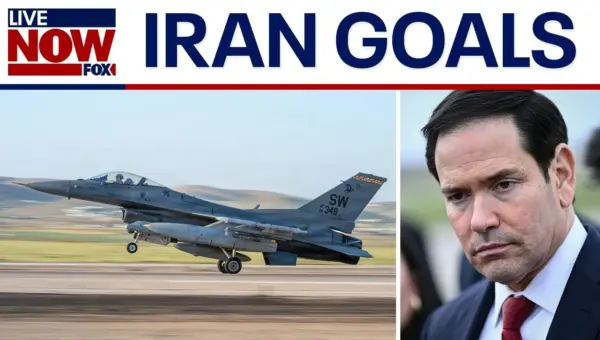
Rubio: US Can Achieve Iran War Goals Without Troops
Senator Marco Rubio outlined a strategy to counter Iran without deploying U.S. ground troops, focusing on weakening the regime and enhancing maritime security. He also criticized Cuba's economic system and expressed concerns about West Bank violence.
Trump’s “Walk Away” Tactic Signals Tougher Stance on China
Retired Air Force Brigadier General David Stillwell believes President Trump's strategy of being willing to walk away from negotiations puts pressure on China. This tactic, combined with US global actions and strengthened alliances, signals a more assertive American foreign policy.
Vance Tackles Federal Fraud: A New War on Waste
Vice President JD Vance has launched a new White House task force to combat fraud in federal benefit programs. The initiative aims to improve verification processes and foster inter-agency cooperation to stop waste and restore public trust. The task force highlights issues in states that allegedly operate on an honor system for benefit distribution.