Trump’s Bid to Oust Fed Chief Powell Hits Legal Dead End
Federal Reserve Chairman Jerome Powell is facing intense pressure from Donald Trump to lower interest rates. However, legal efforts to prosecute Powell, reportedly focusing on building costs, have hit a wall. Prosecutors admit they have found no evidence of criminal wrongdoing. This situation highlights the tension between political influence and the Federal Reserve's crucial independence.

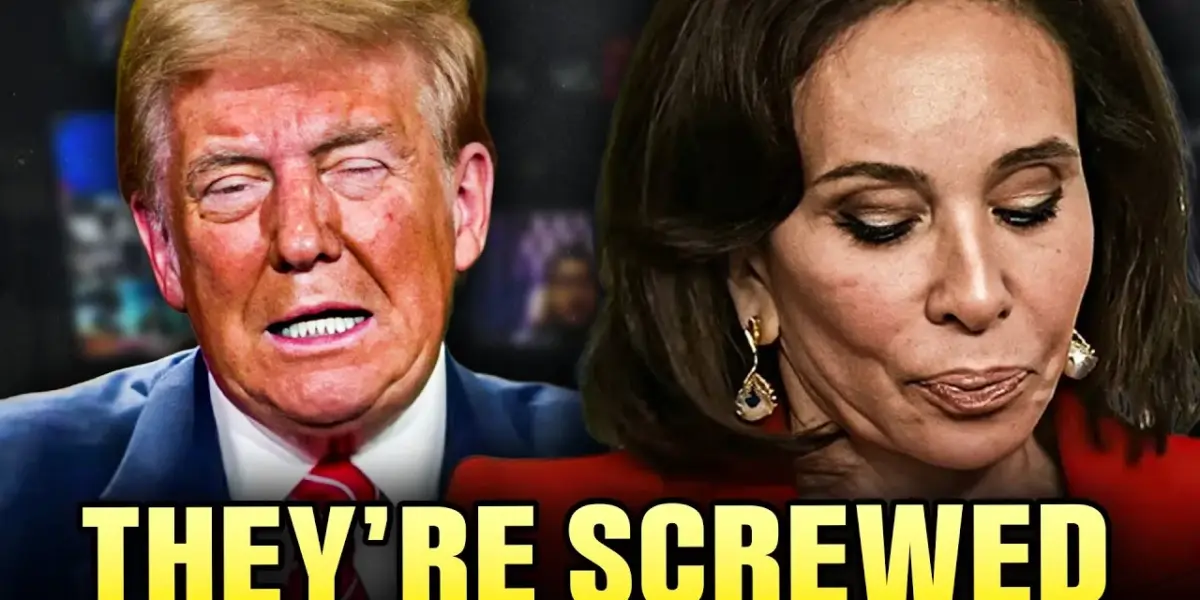
Trump’s Bid to Oust Fed Chief Powell Hits Legal Dead End
Federal Reserve Chairman Jerome Powell faces intense pressure from Donald Trump, who wants interest rates lowered. However, Powell has resisted these calls, understanding that such a move could trigger a severe recession. This has led Trump to seek Powell’s removal before his term ends in May, even appointing a potential successor. Despite this push, efforts to prosecute Powell appear to be faltering, with reports indicating no evidence of criminal wrongdoing.
The Federal Reserve’s Role and Trump’s Disagreement
The Federal Reserve, often called the “Fed,” is a crucial government body that manages the nation’s money supply and interest rates. Its main goal is to keep the economy stable, promoting maximum employment and steady prices. Interest rates are like the price of borrowing money. When rates are low, it’s cheaper to borrow, which can encourage spending and business growth. When rates are high, borrowing is more expensive, which can slow down spending and help control rising prices (inflation).
Donald Trump has publicly clashed with Fed Chairman Jerome Powell, especially over interest rates. Trump has repeatedly urged Powell to lower them, believing it would boost the economy. However, experts widely agree that lowering rates when inflation is a concern would likely lead to a recession. This is because lower rates can increase the cost of everything, fuel inflation, and encourage excessive spending, creating an unstable economic situation. Powell’s refusal to lower rates, based on these economic principles, has put him directly at odds with Trump’s desires.
Allegations Against Powell and the Legal Response
Trump’s administration has reportedly ordered investigations into Powell, seeking grounds for prosecution. One focus has been the rising costs associated with building a new Federal Reserve building. While the project has exceeded its initial budget by several hundred million dollars, this cost overrun is attributed to unforeseen environmental issues and increased costs of building materials. Notably, the surge in material costs is linked to tariffs previously imposed by the Trump administration itself.
According to recent reports, prosecutors within Janine Pirro’s US Attorney’s Office in Washington D.C. have privately acknowledged a lack of evidence to support any criminal charges against Powell. This assessment suggests that the efforts to find illegal activity have yielded no results. The situation was further highlighted when Judge James Boasberg rejected two subpoenas issued by Pirro’s office. The judge found that these subpoenas seemed intended to pressure Powell into lowering interest rates or resigning, rather than being based on genuine evidence of illegal actions.
The government served these subpoenas on the board to pressure its chair into voting for lower interest rates or resigning.
Judge Boasberg pointed out that the evidence presented did not warrant such actions against the head of the Federal Reserve. He stated there was no proof that Powell had broken any laws, underscoring the weak basis for the attempted legal actions.
Historical Context and Political Motivation
The pressure on Jerome Powell is not entirely new. Throughout history, presidents have often sought to influence the Federal Reserve’s decisions, though the Fed is designed to be independent to make decisions based on economic data, not political pressure. Trump’s specific desire to remove Powell, even before his term officially ends, suggests a strong political motivation. By trying to prosecute Powell, Trump appears to be attempting to eliminate a perceived obstacle to his economic agenda and potentially secure a Fed chairman who would align with his views.
The fact that Powell, by maintaining current interest rates, is actually protecting the economy from a potential downturn that could hurt the Republican party in upcoming elections adds another layer to the situation. If Powell had lowered rates as Trump wanted, the country might already be in a recession, which could have significantly damaged Trump’s standing and the party’s electoral prospects. Currently, despite some negative economic indicators, the economy has shown resilience, partly due to Powell’s steady hand.
Why This Matters
This situation highlights a critical tension between political influence and independent governance. The Federal Reserve’s independence is vital for maintaining economic stability. When a president attempts to use legal or political pressure to force the Fed’s hand, it undermines this independence and can lead to decisions that are not in the best long-term interest of the economy. The apparent inability of prosecutors to find evidence against Powell suggests that the efforts are politically motivated rather than legally sound.
The outcome of these pressures could set a precedent for future administrations. If political pressure is seen as an effective tool to influence or remove Fed officials, it could lead to a more politicized and less stable economic environment. The current situation underscores the importance of safeguarding institutions like the Federal Reserve from undue political interference, ensuring that economic policy is guided by data and long-term stability rather than short-term political gains.
Implications, Trends, and Future Outlook
The ongoing attempts to prosecute Jerome Powell, despite a lack of evidence, point to a trend of increased political interference in economic institutions. The inability of the US Attorney’s Office to build a case against Powell suggests that the legal system, at least in this instance, is acting as a check on potentially politically motivated actions. However, the persistence of such attempts raises concerns about the future.
Looking ahead, the Federal Reserve will likely continue to face scrutiny and pressure. The next Fed chairman, whether Powell or a Trump appointee, will operate in an environment where the boundaries between political influence and economic policy are being tested. The long-term outlook depends on the strength of institutional checks and balances. If the independence of the Fed is successfully defended, it will reinforce the importance of data-driven economic policy. If not, the nation could face increased economic volatility driven by political agendas.
Source: They’re SCREWED: Pirro's Office Admits They Can't Prosecute Trump's Enemy (YouTube)

Related Articles

White House Launches “OnlyFarms” Website for Farmer Support
The White House has launched "OnlyFarms," a new website at onlyfarmms.gov, to highlight benefits and support for American farmers facing rising costs. The initiative aims to showcase how administration policies are intended to ease financial burdens and lower prices for both producers and consumers.
Polls Spell Doom: Republicans Face Voter Backlash
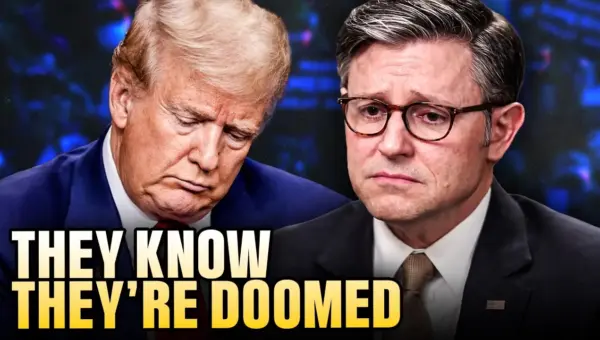
New polling data reveals a sharp decline in public confidence regarding the economic impact of Republican policies, particularly under Donald Trump. A significant majority now feel financially worse off, a trend that is especially pronounced among independent voters. This economic discontent poses a major challenge for the Republican party heading into future elections.
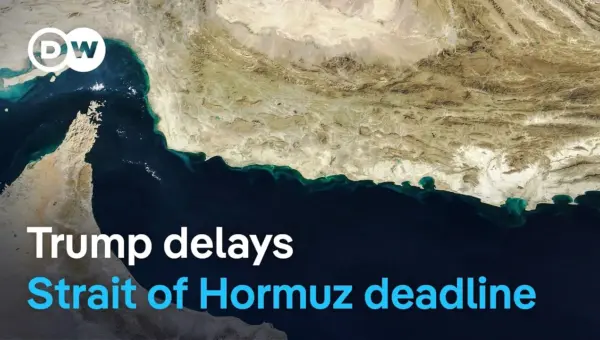
Trump Delays Iran Strike Deadline Amidst Shifting Diplomacy
President Donald Trump has extended his deadline for potential strikes on Iranian energy plants to April 6th, amid reports of U.S.-Iran diplomatic talks mediated by Pakistan. This move comes as Israel continues its strikes on Iran and the U.S. deploys additional military assets to the region. Analysts point to mixed signals, economic pressures, and strategic miscalculations as key factors shaping the evolving situation.