B-52 Bombers Unleash Fury, Iran in Panic
U.S. B-52 bombers are conducting extensive strikes deep inside Iran as part of Operation Epic Fury, reportedly causing panic within the Iranian regime. The operation highlights the B-52's enduring capabilities, with the aircraft delivering heavy payloads of JASM and JDAM munitions. Concurrently, U.S. ground forces are being deployed, and Iranian proxies in Iraq are being targeted by A-10 Warthogs.

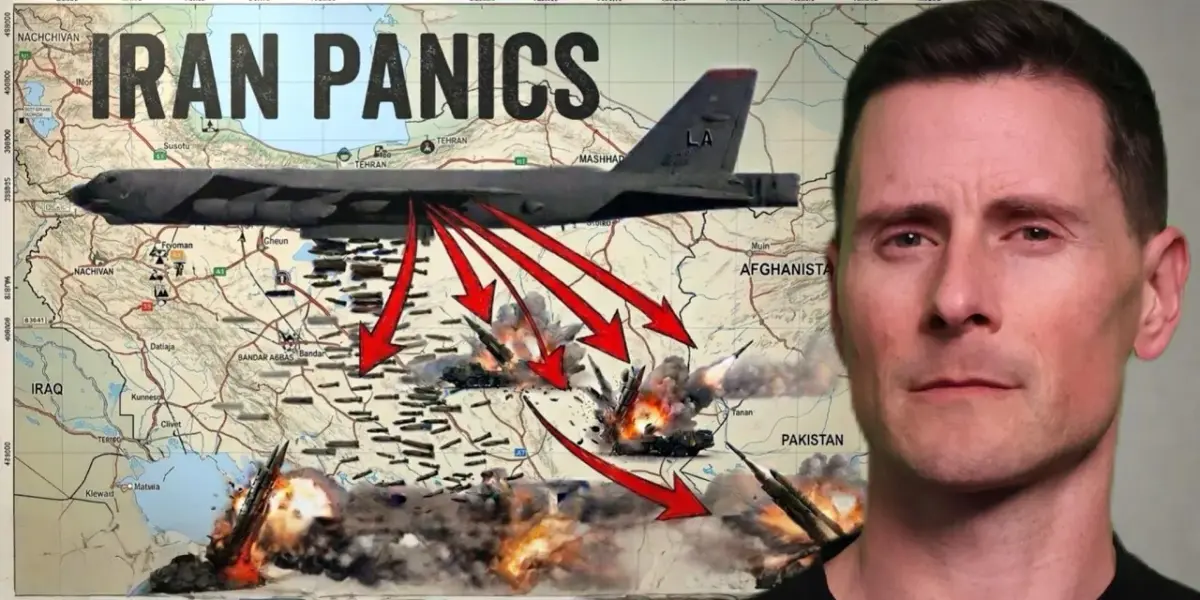
B-52 Bombers Unleash Fury, Iran in Panic
Day 27 of Operation Epic Fury has seen U.S. B-52 Stratofortress bombers deliver a significant blow to Iran. The bombers are reportedly striking targets deep within Iran, creating a state of panic within the Iranian regime. This operation highlights the enduring capability of the B-52, a platform approaching 80 years of service.
Overwhelming Firepower Delivered
Each B-52 mission carries a substantial payload, up to 70,000 pounds of munitions. These include JASM (Joint Air-to-Surface Standoff Missiles) for long-range strikes from a safe distance. Once these missiles are launched, the B-52 can then deploy JDAMs (Joint Direct Attack Munitions) for precision strikes directly on targets. This capability is supported by established air superiority for both the U.S. Air Force and the U.S. Navy.
The B-52s are operating from bases such as Al Udeid and Fairford in the UK. Their presence and actions are intended to send a clear message of American long-range strike power anywhere on the map. Reports indicate that the B-52s have now struck a total of 10,000 targets within Iran.
Ground Forces Mobilized
In conjunction with the air campaign, U.S. ground forces are also being deployed. A Marine Expeditionary Unit, consisting of 2,500 Marines, is in the region. Additionally, up to 1,000 soldiers from the 82nd Airborne Division are en route. The B-52 strikes are designed to clear the path and support the advance of these ground elements.
Proxy Forces Targeted
In the past 8 hours, A-10 Warthog aircraft have been actively engaging Iranian-backed Popular Mobilization Forces (PMF) near the Iraqi cities of Mosul and Habaniyah. These PMF units are officially part of the Iraqi military but operate as proxy militias for Iran. The A-10’s involvement suggests a coordinated effort to degrade Iranian influence and capabilities in the region.
Centcom Commander’s Statement
“As I mentioned in my last update, refueling tankers are extending our reach and fighters and bombers are delivering precise strikes against our primary objectives. Let me highlight our B-52 bomber force, which is executing a high volume of strikes into Iran and demonstrating our unmatched dominance in the air. Now in their eighth decade of flight, our B-52 bombers are executing strikes into Iran with up to 70,000 pounds of munitions on each mission. Our B-52 pilots and air crew embody the courage and resilience of the more than 50,000 American sons and daughters serving in uniform during this operation. There is no adversary too determined, no mission too difficult, and no task too great for our soldiers, sailors, airmen, marines, guardians, and coast guardsmen. I just could not be prouder of our troops and I know the American people share that same pride.”
– Admiral Cooper, CENTCOM Commander
Dispelling Iranian Claims
Recent Iranian claims of shooting down a U.S. F-18 fighter over Chabahar using advanced air defense systems have been refuted. U.S. officials state that no American fighters have been shot down by Iran. The U.S. military is utilizing refueling tankers to extend the operational range of its aircraft, enabling bombers and fighters to conduct precision strikes.
Naval Operations and Drone Threat
The USS Abraham Lincoln has been observed launching F-18 fighter jets, supported by tankers. Iran has been observed attempting to conceal its one-way attack drones under trees and in barns, indicating a defensive posture as their assets are degraded. These drones and guerrilla-style tactics are seen as Iran’s last remaining bargaining chip.
President Trump’s Stance
Former President Trump has commented on the situation, describing Iranian negotiators as “very different and strange” and stating that Iran has been “militarily obliterated.” He urged them to accept a deal, warning that delay would lead to unfavorable consequences. Trump also criticized NATO nations for their lack of involvement, emphasizing U.S. self-reliance in the conflict.
Israeli Strike and Strait of Hormuz
Israel reports that it has killed Alireza Tangiri, a key Iranian naval commander responsible for blockading the Strait of Hormuz. This strike, coupled with U.S. pressure, signals a hardening stance against actions that threaten vital shipping lanes. The removal of this commander is seen as a significant step, indicating that “the gloves are off” regarding freedom of navigation in the Strait.
Ceasefire Proposal and Iranian Rejection
The U.S. presented a 15-point ceasefire proposal through Pakistani channels. This proposal included potential sanctions relief, limited civilian nuclear cooperation, International Atomic Energy Agency (IAEA) monitoring, missile production limits, and guaranteed safe passage for ships through the Strait of Hormuz. Iran, however, rejected this proposal outright, demanding reparations and security guarantees instead.
Strategic Implications
The deployment of B-52 bombers signifies a strategic shift, projecting overwhelming long-range power into Iran. The targeting of Iranian proxies in Iraq and the elimination of key naval commanders weaken Iran’s regional influence and its ability to disrupt maritime trade. The B-52 acts as a critical “insurance policy” and negotiation leverage, capable of striking hardened targets deep within Iran. The ongoing strikes, now totaling 10,000, are systematically degrading Iran’s military capabilities and its capacity to threaten international shipping, particularly in the Strait of Hormuz. The introduction of ground forces, such as the Marine Expeditionary Unit and the 82nd Airborne, suggests a potential follow-on phase focused on securing key areas or further degrading remaining Iranian assets.
Iran’s Defiance and Desperation
Despite military pressure, Iran maintains defiant public rhetoric, calling the U.S. proposal “fake news.” Iranian officials claim they will not negotiate under duress and demand full compensation and unlimited nuclear and missile programs. This stance is viewed by some as a sign of desperation, as Iran attempts to project strength while potentially seeking a deal behind closed doors. The regime’s ability to threaten the Strait of Hormuz using underwater unmanned vehicles and fast attack craft is being systematically dismantled by U.S. air power. The A-10 Warthog, with its depleted uranium and high-explosive rounds, is effective against fast attack craft, complementing the B-52’s role in destroying drone facilities and naval assets.
Future Operations and Deterrence
The B-52’s ability to conduct missions over 10,000 miles with tanker support allows it to saturate hardened targets deep inside Iran. Combined with JASM standoff missiles and JDAM direct attacks, the B-52 is positioned to decimate IRGC military elements. The ongoing campaign has hit 10,000 targets, largely due to the B-52’s sustained operations. In a hypothetical scenario where Iran attempts to fully shut down the Strait of Hormuz, B-52s could strike coastal areas harboring drones. Advanced systems like the Lamprey, an underwater drone defense system, could be deployed alongside B-52 strikes to neutralize underwater threats. This integrated approach aims to provide Marines with the necessary freedom of action.
The current situation suggests a weakening of the IRGC as U.S. strikes continue to increase. The coming weeks may see further degradation of Iran’s ability to influence the Strait of Hormuz, potentially leading to the introduction of more ground troops focused on securing energy flow.
Source: U.S. B-52 Bombers Just Sent Iran's IRGC into FULL PANIC Mode (YouTube)

Related Articles


Israel Escalates Iran Strikes, Warns of Wider War
Israel has launched significant strikes inside Iran following continued missile fire, warning of further escalation. The conflict risks wider regional instability and economic disruption, especially concerning the Strait of Hormuz.

US Troops Wounded in Saudi Base Attack by Iran
An Iranian missile attack on Prince Sultan Air Base in Saudi Arabia wounded multiple U.S. service members and damaged aircraft. The incident highlights the ongoing risks in the Middle East and the limitations of air defense systems. Analysts discuss the strategic implications, economic pressures, and the isolation of Iran amidst the conflict.


Trump Boasts Military Might, Slams Iran at Investment Summit
Former President Donald Trump spoke at the FII Priority Summit, detailing his administration's assertive stance against Iran and emphasizing the strength of the U.S. military. He claimed credit for dismantling Iran's military capabilities and preventing its nuclear ambitions. Trump also criticized NATO while praising Middle Eastern allies and touched on domestic issues like border security.