Trump Official Falters Under Scrutiny on War, Nukes
A top State Department official, Thomas Dano, faced intense questioning from lawmakers regarding Israel's nuclear capabilities, support for Ukraine, and U.S. arms control policy. Dano's responses were often evasive, raising concerns about transparency and preparedness on critical national security issues.

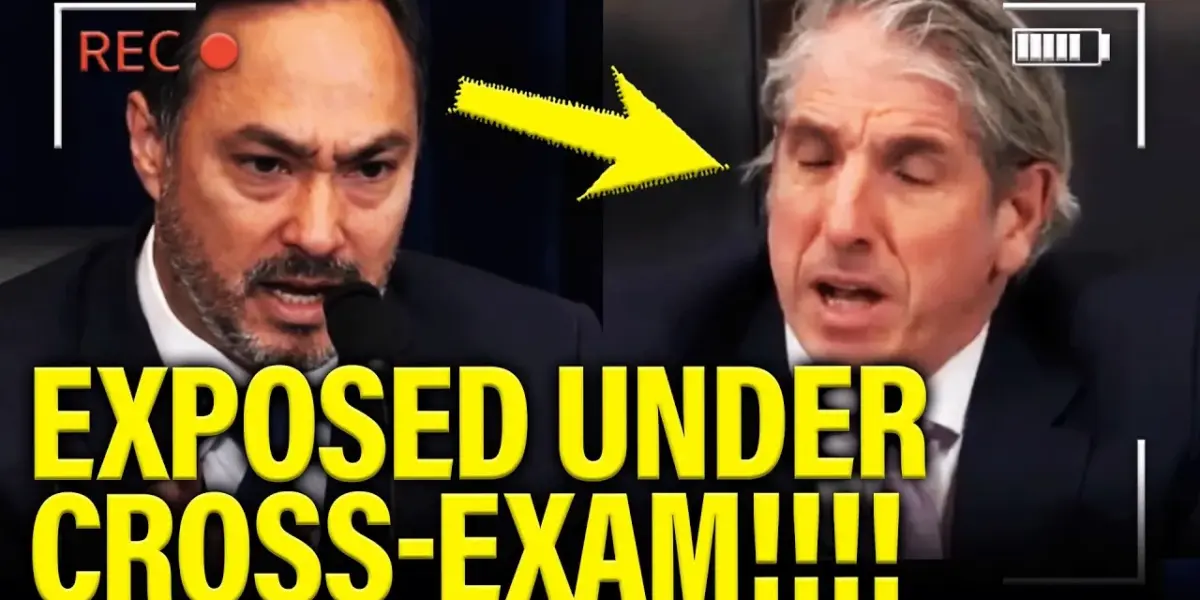
Trump Official Falters Under Scrutiny on War, Nukes
A high-ranking official from the State Department, Thomas D. Dano, faced tough questions during recent testimonies before the House of Representatives and the Senate. Dano, who handles arms control and international security, appeared to struggle when pressed on critical issues related to ongoing conflicts and nuclear policy. The sessions, which were under oath, highlighted significant concerns from lawmakers about the current administration’s approach to global security.
Questions on Israel’s Nuclear Capabilities
During a House hearing, Representative Joaquin Castro questioned Dano about Israel’s nuclear capabilities, especially given the ongoing war with Iran where nuclear facilities have been targeted. Castro expressed concern about the risk of nuclear disaster and asked directly if Israel possesses nuclear weapons. Dano’s response was to defer the question, stating he could not comment and that the Israeli government should be approached. When pressed further, Dano admitted he was not prepared to answer, which Castro called a “dereliction of duty,” especially since Dano is the top official for arms control.
“We are four weeks into war where both sides have targeted each other’s nuclear facilities. We risk nuclear disaster. Get the main Trump official on arms control refused to answer my question on Israel’s nuclear capabilities and told me to go and ask the Israeli government.” – Rep. Joaquin Castro
Struggles with Putin and Ukraine Support
In a separate exchange, Representative Keading questioned Dano about the administration’s support for Ukraine and whether Vladimir Putin should be considered a war criminal. Dano repeatedly stated that the question was outside his purview. When Keading pressed him to answer as an American citizen, Dano refused to say yes or no to whether Putin is a war criminal. This exchange occurred while discussing cuts to support for Ukraine’s war crimes prosecutor, a move Keading argued was undermining efforts to gather evidence of atrocities.
Concerns Over US Bomb Transfers to Israel
In the Senate, Senator Van Hollen questioned Dano about the transfer of 20,000 bombs to the Netanyahu government. Dano confirmed the use of an emergency exemption but was vague about his personal involvement in reviewing whether the transfer complied with the Conventional Arms Transfer (CAT) policy. He stated that all foreign military sales comply with the law and that his bureau oversees these transfers. However, when asked directly if he personally reviewed the assessment for CAT policy compliance, his answers were evasive, leading Senator Van Hollen to interpret his responses as a “no.” Dano also stated he was not familiar with comments by Israel’s Defense Minister regarding using the “Rafa model” in Gaza, a comment the Senator asked him to look into.
Debate on Resuming Nuclear Testing
Senator Rosen raised concerns about former President Trump’s past suggestions of resuming explosive nuclear testing in the United States. Dano acknowledged that the President had instructed the military and energy departments to test on an equal basis with adversaries, citing Russian and Chinese testing. However, he stressed that no decision had been made and that any potential program is still “predecisional.” He also stated that discussions he was part of did not involve atmospheric testing, focusing instead on underground tests similar to those conducted by Russia and China. Senator Rosen expressed skepticism, emphasizing the environmental risks and the potential damage to arms control efforts.
“The president has laid out a view that I elaborated on and assistant secretary yaw elaborated upon where the president instructed the war department and the energy department to test on an equal basis, to that with our adversaries.” – Thomas D. Dano
Support for European Allies and Ukraine
Senator Shaheen questioned whether the U.S. could actually deliver weapons that European allies were buying, especially given their increased support for Ukraine. Dano responded by highlighting the State Department’s reorganization and efforts to modernize the defense industrial base. He mentioned executive orders and interagency councils aimed at speeding up processes. While he emphasized a commitment to moving faster and taking on more risk, he admitted that progress would not happen overnight and might require legislative relief. He also noted that allies might not always need the most advanced U.S. systems but could use complementary ones.
Russian Space Weapons and Arms Control
Senator Rounds inquired about Russia’s development of anti-satellite nuclear weapons and how the U.S. should respond, especially with the expiration of the New START treaty. Dano stated that deploying such a system would violate the Outer Space Treaty. He mentioned that diplomatic pressure and discussions within the P5 (UN Security Council permanent members) would be avenues for addressing this. He also noted that systems like Russia’s Poseidon and Burevestnik fall outside New START, necessitating direct conversations with Russia.
The Importance of Arms Control and New START
Throughout the hearings, the expiration of the New START treaty, a key arms control agreement with Russia that limited deployed nuclear warheads and delivery systems, was a recurring theme. Lawmakers and Dano acknowledged its importance for transparency and predictability. General Hayen of U.S. Strategic Command testified that the treaty’s verification measures are crucial for understanding Russian force posture. Without it, confidence levels decrease, and intelligence resources would need to be significantly increased, potentially leading to decisions to expand U.S. forces.
The testimonies revealed a challenging environment for U.S. arms control and international security policy. Dano’s evasiveness on critical questions, from Israel’s nuclear status to Putin’s war crimes and the specifics of arms transfers, raised concerns among lawmakers. The discussions also underscored the complexities of modern warfare, nuclear deterrence, and the need for clear, consistent policy, especially in the absence of key arms control treaties like New START.
Why This Matters
These hearings are important because they shed light on how the U.S. government handles critical national security issues. When top officials are unable to provide clear answers on matters of war, nuclear weapons, and international treaties, it can create uncertainty and mistrust. Lawmakers have a duty to oversee the executive branch, and these questions are designed to ensure accountability and transparency. The topics discussed – nuclear proliferation, ongoing conflicts, and arms control – have direct impacts on global stability and the safety of citizens. The ability of officials to clearly articulate policy and provide necessary information is vital for effective governance and international relations.
Implications, Trends, and Future Outlook
The difficulties faced by Thomas Dano in these hearings suggest a potential disconnect or lack of preparedness within the State Department on crucial foreign policy and security matters. The questions posed by lawmakers point to several trends: heightened concern over nuclear risks in active conflict zones, scrutiny of U.S. arms sales, and the implications of the U.S. withdrawal from or non-extension of arms control treaties like New START. The future outlook likely involves continued congressional oversight and pressure on the administration to provide clear answers and robust policies. Without strong arms control frameworks, the risk of miscalculation and escalation in a world with multiple nuclear powers could increase. Furthermore, the administration’s approach to supporting allies and countering adversaries in a rapidly changing geopolitical landscape will be closely watched.
Historical Context and Background
The discussions touched upon several historical contexts. The questions about Israel’s nuclear capabilities arise from decades of ambiguity surrounding its nuclear program. The debate over supporting Ukraine and addressing Russian aggression is a continuation of post-Cold War security challenges. The mention of New START dates back to arms control efforts initiated during the Cold War to manage the nuclear arsenals of the U.S. and the Soviet Union (and later Russia). The desire to resume nuclear testing, as suggested by former President Trump, echoes Cold War-era practices, which were eventually curtailed due to environmental and arms control concerns. The testimony highlights the ongoing tension between maintaining a strong nuclear deterrent and pursuing diplomatic solutions and arms reduction.
Source: TOP Trump Official FALLS APART under CROSS EXAM on WAR!! (YouTube)

Related Articles
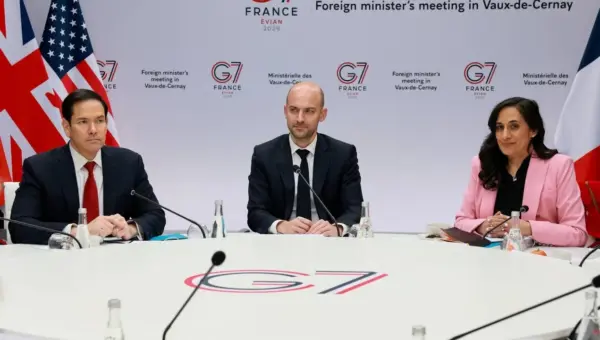
Rubio Puts US First at G7 Summit, Sparks Debate
Secretary of State Marco Rubio attended the G7 summit in France, emphasizing his commitment to serving the American people above all else. The meeting addressed the war in Iran and Russia's role, revealing differing approaches among allies on regional security and the Strait of Hormuz.

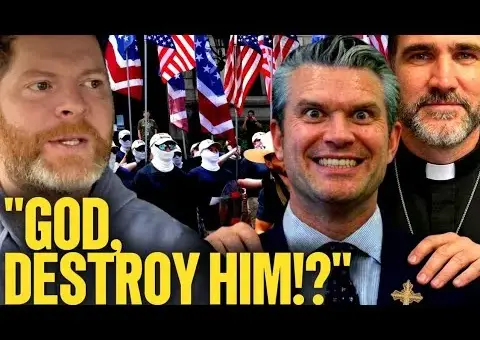
US Christian Nationalism Fuels Global Conflict Fears
A potent strain of Christian nationalism in the US is raising alarms globally, promoting a 'warlike brand' of faith that views empathy as weakness. This ideology, amplified during times of economic hardship, risks justifying aggressive actions and undermining international humanitarian norms. Its influence on policy could reshape global dynamics.

Heated Cabinet Meeting Exposes Media-Trump Dance
A recent televised cabinet meeting saw Pete Hegseth clash with the media over reporting on Iran, calling the operations a "pure American success." Critics argue these meetings are performative and question the narrative of success, citing potential troop involvement and ongoing Iranian defiance.