Venezuela’s Divide Echoes Globally
A protest in New York City reveals the deep divisions within the Venezuelan diaspora. Supporters and opponents of President Maduro clashed, highlighting how international attention focuses on Venezuela's ongoing crisis and human rights concerns.

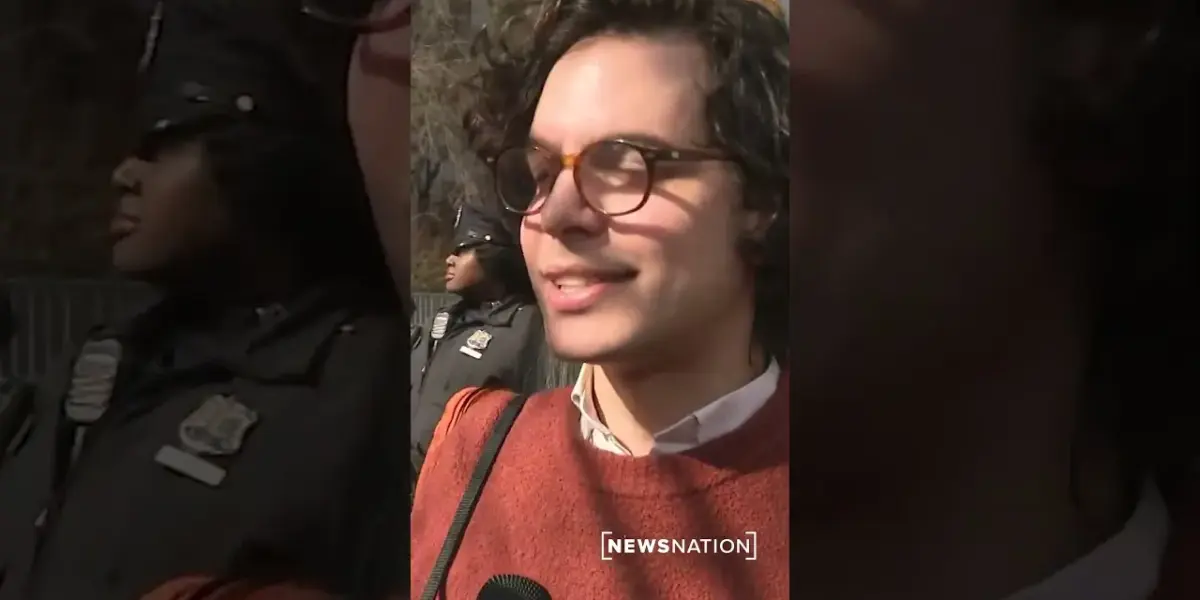
Venezuela’s Internal Strife Plays Out on Global Stage
A protest in New York City highlights the deep divisions within the Venezuelan diaspora and the international attention on the country’s political and human rights situation. The event, which saw supporters of Venezuelan President Nicolás Maduro clashing with anti-Maduro demonstrators, reveals how political conflicts can spill across borders, drawing in expatriate communities and influencing international perceptions.
Diaspora Divided: A Fight for Narrative
Carlos, a Venezuelan living in New York, expressed his strong feelings about attending a rally to show solidarity against President Maduro. He stated that it is important for him to be there because he loves his country deeply. He was also happy to see that Maduro, who he blames for a decade of suffering, might face justice.
The presence of pro-Maduro protesters, however, deeply troubled Carlos. He described feeling indignant, saddened, and angry. He found it appalling that some individuals would defend a leader responsible for numerous human rights abuses. Carlos pointed out that extensive reports on Venezuela’s situation are available in both Spanish and English, making the facts accessible to everyone.
Contradictions in Messaging
Carlos specifically criticized the pro-Maduro group’s claims of being ‘anti-war’ and ‘pro-peace.’ He found this stance contradictory, especially when observing their banners. Some signs reportedly featured images of figures associated with armed struggle, juxtaposed with the faces of Hugo Chávez, Maduro’s predecessor. This imagery, for Carlos, suggested that these protesters did not truly desire peace but rather a continuation of the suffering he believes is inflicted upon Venezuelans.
Motivations and Perspectives
From the perspective of Carlos and those who joined him, their actions are driven by a profound love for their country and a desire for accountability. They see Maduro’s government as the root cause of widespread hardship and human rights violations. Their presence in New York is an effort to ensure the international community remains aware of the ongoing crisis and to counter narratives they perceive as misleading or supportive of oppression.
On the other hand, the motivations of the pro-Maduro protesters, though not detailed by Carlos beyond his interpretation of their banners, likely stem from a different set of beliefs. Such groups often cite external interference as a cause of Venezuela’s problems. They may view Maduro as a legitimate leader defending national sovereignty against foreign pressure, possibly including sanctions or diplomatic isolation. Their ‘anti-war’ and ‘pro-peace’ messaging, however interpreted by their opposition, could be an attempt to frame their support as a rejection of foreign intervention and a desire for stability within Venezuela’s existing political framework.
Global Impact: Venezuela’s Struggle Goes International
This incident in New York demonstrates how political and social crises in one nation can resonate globally. The Venezuelan diaspora, like many others, is not a monolithic bloc. It is divided by political views, experiences, and interpretations of events back home. These divisions can lead to public demonstrations in major international cities, creating visible manifestations of conflicts that originate thousands of miles away.
Such events in the U.S. can influence public opinion and policy discussions. Protests by exiled communities can put pressure on governments to take certain stances or maintain existing policies, such as sanctions or diplomatic recognition of opposition leaders. The competing narratives presented by different factions of the diaspora aim to shape both domestic and international perceptions of Venezuela’s leadership and its ongoing challenges.
Historical Context: A Legacy of Division
Venezuela’s political landscape has been deeply polarized for years, particularly since Hugo Chávez rose to power in 1999. His ‘Bolivarian Revolution’ aimed to redistribute wealth and empower the poor, but critics pointed to increasing authoritarianism, economic mismanagement, and a crackdown on dissent. Nicolás Maduro, Chávez’s successor, inherited these challenges and has faced widespread accusations of election fraud, severe economic collapse, and a humanitarian crisis that has led millions to flee the country.
The current divisions echo historical patterns where political exiles and diaspora groups actively engage in advocacy abroad. For decades, various Latin American nations have seen their expatriate communities become vocal participants in international politics, supporting or opposing their home governments from afar. This New York protest is a contemporary example of that enduring phenomenon.
Economic Leverage and Sanctions
While the transcript doesn’t detail economic factors, the broader context of Venezuela’s situation involves significant economic leverage. The United States and other countries have imposed sanctions on the Maduro government, targeting individuals and entities in an effort to pressure for democratic change and an end to human rights abuses. These sanctions aim to cripple the government’s finances and limit its ability to operate. However, supporters of the government often argue that these sanctions harm the Venezuelan people and are a form of economic warfare, a point that may inform the messaging of pro-Maduro groups.
Future Scenarios
The situation in Venezuela remains complex. One possible future scenario involves continued political stalemate, with Maduro maintaining control domestically while facing international pressure and sanctions. Another possibility is increased internal pressure leading to political transition, though the path to achieving this is unclear. The role of the diaspora, as seen in the New York protest, will likely continue to be a factor in shaping international awareness and potentially influencing diplomatic efforts.
The persistent divisions within the Venezuelan community abroad suggest that any future reconciliation or resolution within Venezuela will be a long and difficult process. The global visibility of these internal conflicts underscores the interconnectedness of national politics and international relations in the modern era.
Source: Venezuelan man ‘appalled’ at pro-Maduro protests in New York City (YouTube)

Related Articles

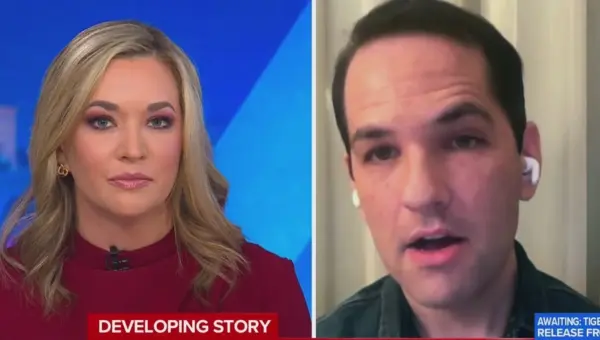
Protesters Challenge Presidential Power, Ignite Debate
Millions are protesting nationwide under the "No Kings" banner, challenging presidential authority and policies they deem unconstitutional. Organizers emphasize First Amendment rights while debating foreign policy, immigration, and the balance of power.
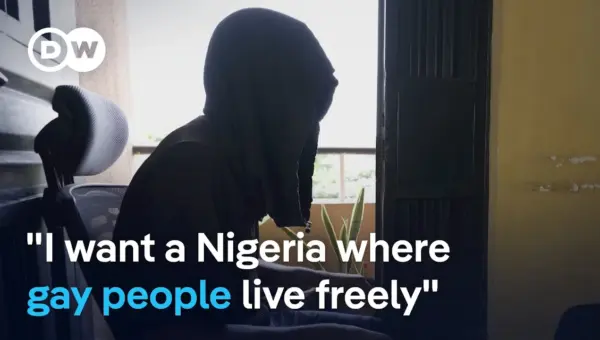
Nigeria’s ‘Kito’ Scam Targets LGBTQ+ People with Violence
Nigeria's LGBTQ+ community is facing a surge in violent 'Kito' scams, where victims are lured online, ambushed, beaten, and blackmailed. Rights groups report over 50 cases since December, highlighting the dangerous exploitation of anti-gay laws and societal homophobia. Survivors share harrowing accounts of physical and emotional trauma, living in constant fear.
Americans Rally for Democracy Amidst War and Economic Woes
Thousands of Americans are participating in "No Kings" rallies nationwide, demanding accountability from leaders and drawing parallels to historical movements that spurred significant change. The protests occur amidst a controversial war with Iran, economic uncertainty, and a partial government shutdown. Organizers emphasize solidarity, joy, and the power of collective action in defending democracy.