US Deploys Troops Amid Iran Peace Talks, Drone Spate
The U.S. is deploying over 1,000 troops from the 82nd Airborne Division to the Middle East as it presents a 15-point peace plan to Iran. This occurs amid drone incursions into Baltic airspace and a shift in Russian tactics against Ukraine.


US Deploys Troops Amid Iran Peace Talks, Drone Spate
The United States has taken a significant step by ordering the deployment of over 1,000 soldiers from the 82nd Airborne Division to the Middle East. This move comes as Washington actively pursues a 15-point peace plan aimed at ending hostilities in the region. The deployment signals a heightened U.S. military presence amid ongoing diplomatic efforts and a concerning rise in drone incursions into Baltic airspace.
U.S. Peace Plan for Middle East
White House Press Secretary Caroline Levit announced that the U.S. has delivered a comprehensive 15-point peace proposal to Iran. This plan is designed to de-escalate the conflict that has already caused substantial economic disruption. Sources indicate the proposal addresses critical issues such as Iran’s ballistic missile programs and its nuclear activities.
A central element of the plan involves placing 440 kg of highly enriched uranium, currently held by Iran, under international control. The proposal also focuses on the Strait of Hormuz, a vital waterway that has become a flashpoint. Its blockage has led to reduced global oil and gas supplies and increased energy prices.
Despite these diplomatic initiatives, Levit emphasized that military operations will continue until their objectives are met. The situation in Iran is complex, with potential internal divisions and security concerns possibly hindering a swift response to the U.S. proposal. The initiative may also signal a U.S. willingness to consider the current Iranian government as part of a potential compromise.
Iran’s Negotiating Preferences
Iran has reportedly communicated through unofficial channels its preference not to resume negotiations with current U.S. representatives. Instead, Tehran favors dialogue with special envoy, who is perceived as more inclined towards seeking a compromise to end the conflict. This preference stems from deep distrust following the collapse of previous talks before the recent military actions involving Israel and the United States.
However, the final decision on the negotiating team rests with President Trump. The White House has indicated that multiple figures, including and Secretary of State Marco Rubio, will be involved. Iran may ultimately have to engage with whomever Washington designates, regardless of its initial preferences. A potential meeting between U.S. and Iranian officials in Islamabad this week remains uncertain.
82nd Airborne Deployment Details
The deployment of the 82nd Airborne Division, a cornerstone of U.S. rapid reaction forces, underscores the escalating tensions. These paratroopers are renowned for their ability to deploy rapidly anywhere in the world. The division has a long history of participation in major U.S. conflicts since its formation in 1917.
This deployment follows earlier movements of Marine Corps units and Amphibious Ready Groups to the region. The 11th Marine Expeditionary Unit and the Boxer Amphibious Ready Group had their deployment accelerated. The 31st Marine Expeditionary Unit is also being deployed. Each of these units comprises approximately 4,500 personnel and possesses significant aviation and logistical capabilities.
Drone Incidents in Baltic Airspace
The U.S. military movements coincide with a series of concerning drone incidents in Baltic airspace. On March 25th, Russian drones entered the airspace of Baltic countries. One drone crashed into a power plant chimney in Estonia, while another exploded in Latvia, with debris found by authorities.
In Latvia, an unidentified drone entered the country’s territory from Russia. Early warning systems detected a sound resembling an explosion. While civilians were unharmed and no damage to infrastructure was reported, the incident is under investigation. Estonian authorities confirmed a drone crashed into a power plant smoke stack, causing no significant damage and not affecting the national energy system.
Shifting Russian Tactics in Ukraine
Meanwhile, Ukraine’s President Zelenskyy noted that despite U.S.-Ukraine talks, there has been no substantial progress toward peace with Russia. He stated that Russia is not showing readiness for diplomacy, potentially using negotiations to gain time and resources. Zelenskyy stressed the importance of continued diplomatic efforts by Ukraine and its partners to push Russia toward genuine negotiations.
Separately, the Institute for the Study of War (ISW) highlighted a significant and dangerous shift in Russian strike tactics against Ukraine. A massive Russian attack on March 23rd-24th demonstrated a new strategy of prolonged pressure and targeting a wider range of regions. This approach involves systematically overwhelming Ukrainian air defenses by combining drones and missiles over extended periods.
ISW analysts suggest Russia is building towards the capability of launching over 1,000 strike drones in a single series of attacks. The recent strikes may also be timed to coincide with important diplomatic events, potentially aimed at pressuring Kyiv and its allies. Experts believe Russia might exploit shortages in air defense systems and international attention focused on the Middle East to intensify its air campaign.
Source: ⚡️Trump BLEW UP with a statement about war! Just listen to WHAT HE SAID. Kremlin is an uproar (YouTube)

Related Articles
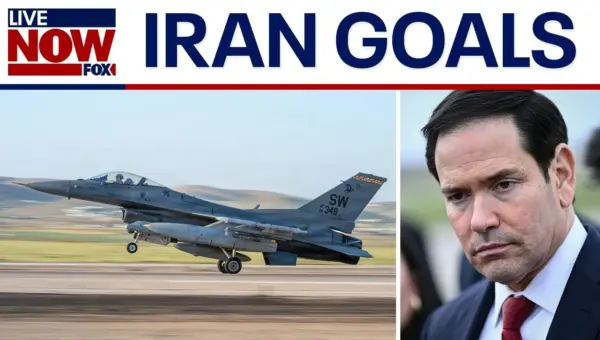
Rubio: US Can Achieve Iran War Goals Without Troops
Senator Marco Rubio outlined a strategy to counter Iran without deploying U.S. ground troops, focusing on weakening the regime and enhancing maritime security. He also criticized Cuba's economic system and expressed concerns about West Bank violence.


Israel Escalates Iran Strikes, Warns of Wider War
Israel has launched significant strikes inside Iran following continued missile fire, warning of further escalation. The conflict risks wider regional instability and economic disruption, especially concerning the Strait of Hormuz.
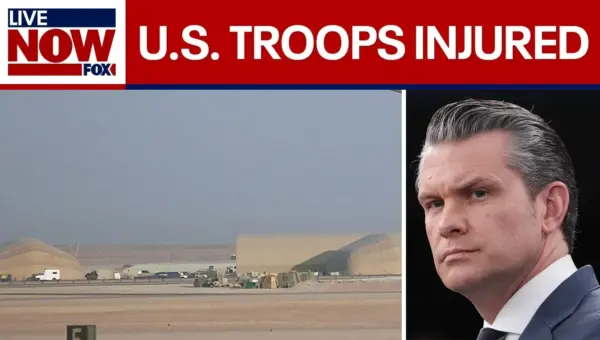
US Troops Wounded in Saudi Base Attack by Iran
An Iranian missile attack on Prince Sultan Air Base in Saudi Arabia wounded multiple U.S. service members and damaged aircraft. The incident highlights the ongoing risks in the Middle East and the limitations of air defense systems. Analysts discuss the strategic implications, economic pressures, and the isolation of Iran amidst the conflict.