Trump’s Iran Deal: A Bluff or Real Threat?
The Trump administration's firm stance on Iran, combined with a partial DHS shutdown causing record airport delays and a tragic Chicago shooting, highlights critical policy debates. These events reveal the administration's hardline approach and the complex challenges in diplomacy, national security, and immigration.

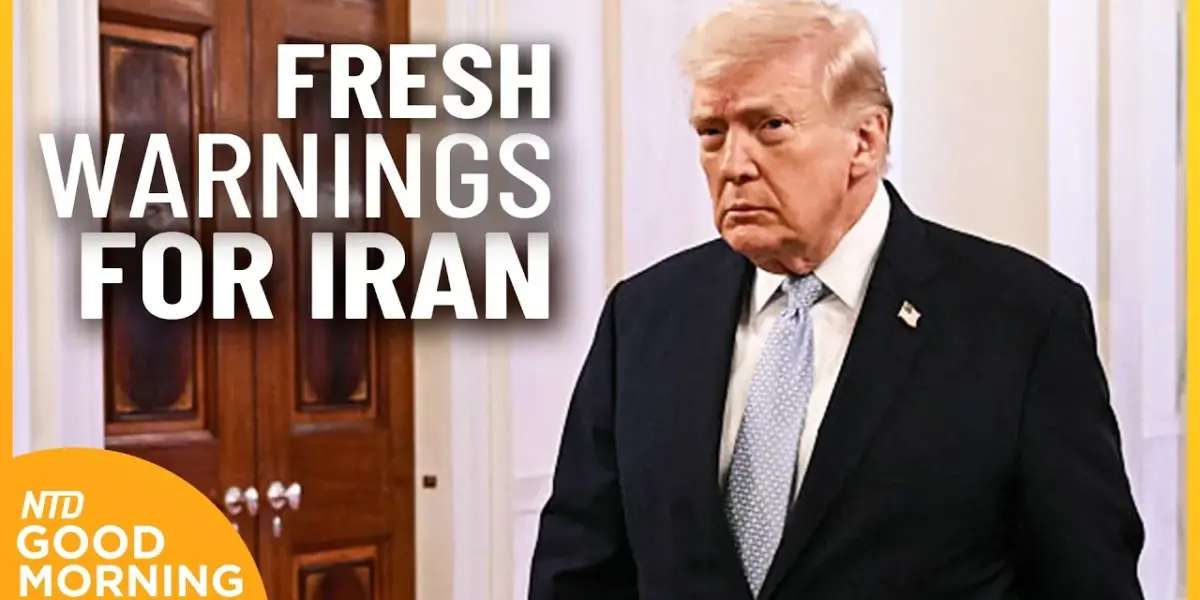
Trump’s Iran Strategy: Hardline Tactics or Diplomatic Gamble?
Reports suggest the Trump administration has offered Iran a 15-point peace plan. The White House has pushed back against claims that Iran has rejected this plan. They state that talks are still happening and are productive. However, the White House also made it clear that the U.S. would increase attacks if Iran doesn’t accept peace. President Trump’s stance is that he does not bluff.
This approach signals a tough stance on Iran, a country with whom the U.S. has had a tense relationship for decades. Past U.S. administrations have also used strong language and sanctions against Iran. The current administration seems to be combining diplomatic offers with clear threats of military action. This strategy aims to pressure Iran into negotiations while leaving the door open for a peaceful resolution. It’s a delicate balance, as too much pressure could lead to unintended conflict, while too little might be ignored.
DHS Shutdown Fuels Record Airport Delays and Officer Assaults
Meanwhile, the partial shutdown of the Department of Homeland Security (DHS) has reached its 41st day. This has caused major problems, especially at airports. The TSA is reporting the longest wait times in its history. Acting TSA Administrator Ha Nguyen McNeill also noted a record high in assaults against TSA officers. This situation highlights the human cost of government shutdowns, affecting both travelers and essential workers.
Democrats are holding out on a funding deal for DHS. They are demanding reforms for ICE, the Immigration and Customs Enforcement agency. This creates a standoff between the administration and Congress. The funding for DHS is crucial for national security and border operations. The debate over ICE reforms brings up complex issues about immigration policy and enforcement. Finding common ground on these issues is proving to be a significant challenge.
Chicago Shooting Highlights Immigration Policy Debate
A deadly shooting in Chicago involving an undocumented immigrant has sparked strong reactions. The suspect, a Venezuelan national, had reportedly been arrested and released twice before. President Trump and other officials are speaking out about the incident. House Speaker Mike Johnson is calling for policy changes. President Trump is urging voters to support stricter immigration policies.
The victim’s family has expressed their grief and called for accountability. They stated that their loved one’s death should not be used as a political talking point. This tragedy underscores the sensitive and emotional nature of immigration debates. It brings to the forefront the human impact of policies and the need for solutions that address both security and humanitarian concerns. The incident is likely to fuel further debate on immigration enforcement and border security.
Why This Matters
These three issues – the Iran negotiations, the DHS shutdown, and the Chicago shooting – reveal key tensions in U.S. policy. The administration’s approach to Iran shows a willingness to use strong tactics, which could lead to either a breakthrough or increased conflict. The DHS shutdown directly impacts the lives of Americans through travel disruptions and affects the well-being of government workers. The Chicago shooting brings immigration policy to the forefront, highlighting the complex and often tragic consequences of current laws and enforcement practices.
Implications and Future Outlook
The White House’s strategy with Iran could set a precedent for future diplomatic challenges. If successful, it might encourage similar hardline approaches. If it fails, it could lead to further instability in the region. The ongoing DHS shutdown raises questions about the government’s ability to function and fund essential services. It also puts pressure on lawmakers to find compromises. The immigration debate, intensified by the Chicago shooting, will likely continue to be a major focus. Future policy decisions will need to balance national security with humanitarian concerns and the realities of immigration.
Historical Context
U.S. relations with Iran have been strained since the 1979 revolution. Decades of sanctions and diplomatic tensions have marked this relationship. The current administration’s approach is part of a long history of trying to influence Iran’s behavior. Similarly, debates over immigration policy and border security have been ongoing for years, with different administrations taking varied approaches. Government shutdowns, while disruptive, have occurred periodically throughout U.S. history, often stemming from political disagreements over spending and policy priorities.
Source: Leavitt: 'Trump Does Not Bluff'; DHS Shutdown Causing Record Delays | NTD Good Morning (March 26) (YouTube)

Related Articles

Trump’s Iran War Plans Criticized Amid Border Funding Standoff
Lawmakers and analysts are criticizing the Trump administration's handling of the Iran conflict and its approach to border funding, arguing that a lack of clear planning and a focus on political battles are making the U.S. less safe. Concerns are particularly high regarding the FBI's priorities and the potential impact of these issues on national security.

Democrats Demand End to DHS Shutdown, Pass Bipartisan Bill
Democrats are demanding an immediate end to the Department of Homeland Security (DHS) shutdown, urging House Republicans to pass a bipartisan Senate bill. The legislation aims to fund essential services, pay TSA agents, and end airport chaos. Democrats criticize Republicans for obstructing the bill to push ideological agendas and reform ICE.

DHS Shutdown Deepens as Speaker Johnson Rejects Senate Deal
The partial government shutdown continues as House Speaker Mike Johnson rejected a bipartisan Senate deal to fund the Department of Homeland Security. Instead, the House will vote on a separate measure, a move Democrats call "dead on arrival." President Trump has used an executive order to unilaterally fund TSA workers, offering some relief amid widespread airport disruptions and financial hardship for federal employees.