Trump’s Iran Stance Fuels Global Conflict, Gas Prices
Donald Trump's rhetoric and actions surrounding the Iran conflict are under scrutiny as gas prices soar and troop deployments increase. Past predictions and current statements reveal a pattern of commentary that mirrors present-day events, raising questions about his foreign policy approach and its impact on global stability and the economy.

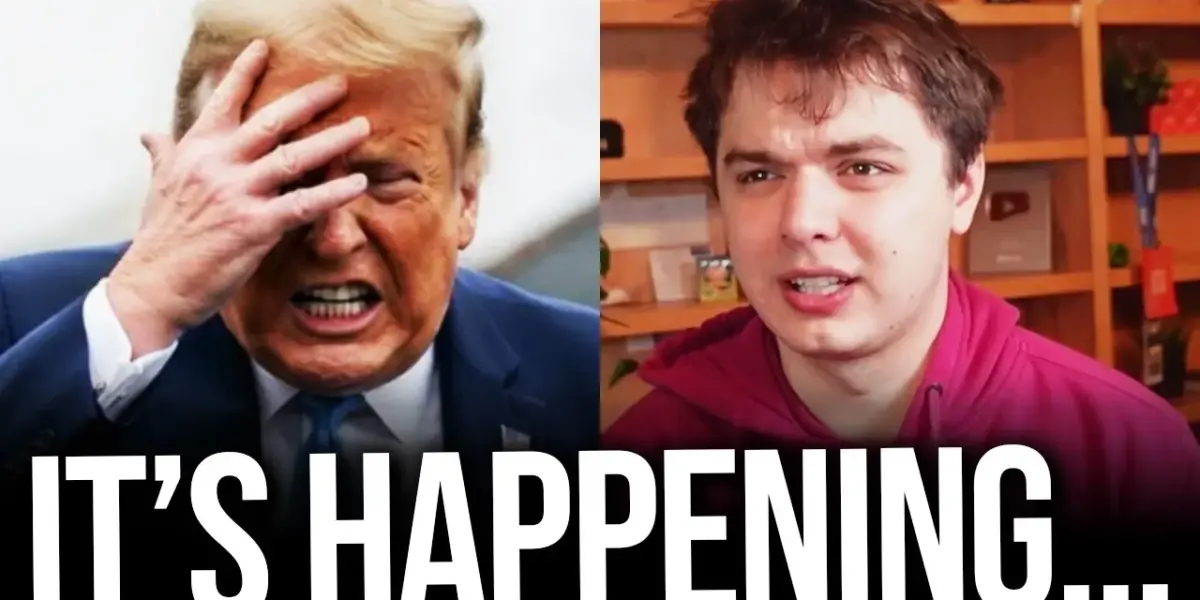
Trump’s Iran Stance Fuels Global Conflict, Gas Prices
As the conflict with Iran enters its fourth week, the situation appears to be worsening. Gas prices have reached their highest point yet, and old tweets from Donald Trump are resurfacing, eerily predicting the current events. Trump is also actively sending thousands of new troops to the Middle East, including units from the 82nd Airborne Division, known for their offensive capabilities rather than just defensive readiness.
Echoes of Past Predictions
Thirteen years ago, Trump himself posted online, predicting that President Obama would attack Iran due to poor negotiation skills. Now, reports suggest Iran is only willing to negotiate with JD Vance, feeling betrayed by past dealings with Jared Kushner and others. There’s a sense that Israeli Prime Minister Netanyahu is pushing for an extended conflict, while Trump might have initially aimed for a swift resolution, similar to his approach in Venezuela. However, the deeply rooted nature of Iran’s military, the IRGC, makes a quick victory unlikely and points towards a potential ground war.
A Pattern of Prophecy and Parallels
Trump’s past tweets from 2011 echo this theme, suggesting Obama would start a war with Iran to boost his re-election chances. The commentator notes an almost prophetic ability in Trump to predict aspects of his own presidency by criticizing Obama. A striking parallel is drawn to a 2016 tweet where Trump criticized President Obama for golfing while the TSA faced issues. Today, Trump is himself golfing amidst a government shutdown that has left TSA employees unpaid for weeks.
Economic Impact and Presidential Behavior
The economic fallout is evident in the rising gas prices. The average price for regular gas across the United States has hit $4, a new high. Amidst this global tension, Trump’s own online activity has been described as erratic. He posted and deleted vague videos, and at 5:00 a.m., he questioned NATO’s inaction regarding Iran, stating the U.S. needs nothing from them. He invoked 9/11, the only time NATO’s Article 5 was invoked, highlighting how allies like Canada and the UK sent forces to support the U.S. in past Middle Eastern conflicts. Now, he suggests these allies are unwilling to join what he perceives as a “suicide mission,” especially after perceived bullying from the U.S.
Misunderstandings of International Agreements
The commentator points out that Trump’s understanding of Article 5 of the NATO treaty seems flawed. Furthermore, his claims of Iran being “militarily decimated” and the war being won are challenged by the inability to freely move ships through the Strait of Hormuz. If Iran’s military were truly neutralized, passage through this critical waterway should be unimpeded.
Domestic Politics Intertwined
Trump also called for Republican senators to “terminate the filibuster” to improve infrastructure, like airports. However, a bill to fund the TSA was already before Congress, and Trump had reportedly urged Republicans to block it. The commentator argues that ending the filibuster is a radical move that Republicans, currently in the minority in the Senate, would regret if Democrats gained power, as it would grant the majority party unchecked authority.
Conflicting Statements and Escalating Deployment
Trump’s public statements about the negotiations have been contradictory. He described Iranian negotiators as “strange” and “begging” for a deal, claiming they were “militarily obliterated.” Yet, he also stated they were only “looking at our proposal.” Meanwhile, U.S. troop deployments are increasing. Over 1,000 soldiers from the 82nd Airborne Division are preparing to deploy, and elements of the 11th Marine Expeditionary Unit have had their deployments accelerated. A second Marine Expeditionary Unit, the 31st from Okinawa, is also heading to the region. The U.S. Central Command reports approximately 50,000 U.S. troops are already stationed in the broader Middle East.
Speculation on Market Manipulation
There’s speculation that Trump might be delaying military actions until after the market closes on Fridays to influence stock prices. Given the market’s downturn the previous Friday, some suggest his talk of a peace deal could be an attempt to boost markets before a potential weekend attack. This is presented as a possibility, not a certainty.
A Deeply Entrenched Conflict
The analysis suggests a complex web of motivations. It posits that Netanyahu has long desired conflict with Iran. Trump, driven by ego and a misguided belief he could replicate his Venezuela strategy, may have underestimated Iran’s resilience. Unlike Venezuela, where a swift action might have had some effect, Iran’s regime is deeply embedded within its institutions. This suggests that any attempt at regime change would require a full-scale ground invasion, something Netanyahu apparently supports, while Trump may be seeking a quicker outcome for political reasons.
Why This Matters
The ongoing situation highlights the significant impact of presidential rhetoric and foreign policy decisions on global stability and domestic economics. The fluctuating statements from a leader during a time of international crisis can sow confusion and distrust, both among allies and adversaries. The rise in gas prices directly affects everyday citizens, illustrating how geopolitical events can translate into tangible financial burdens. The commentary also raises questions about the strategic decision-making process, the understanding of international alliances like NATO, and the potential for personal political motives to influence national security actions.
Implications, Trends, and Future Outlook
This situation points to a trend of escalating tensions in the Middle East, potentially drawing in more regional and international actors. The effectiveness of U.S. foreign policy in achieving its objectives, particularly in complex environments like Iran, remains a critical question. The reliance on military deployments as a primary tool of diplomacy, coupled with unpredictable communication from leadership, could lead to miscalculation and further conflict. The future outlook suggests a continued period of uncertainty, with the possibility of prolonged military engagement and ongoing economic repercussions. The dynamic between U.S. policy, Israeli interests, and Iranian responses will be crucial in shaping subsequent events.
Historical Context and Background
The current tensions are rooted in decades of complex relations between the U.S. and Iran, including the 1953 coup, the 1979 revolution, and subsequent sanctions and military posturing. Trump’s “maximum pressure” campaign against Iran, which included withdrawing from the Iran nuclear deal, significantly heightened these tensions. The commentary references the Venezuelan situation as a point of comparison, where a U.S.-backed attempt to oust President Maduro faced significant challenges, illustrating the difficulties of imposing external political change on sovereign nations.
Source: Trump SCREWS UP and RUINS IT for Everyone (YouTube)

Related Articles
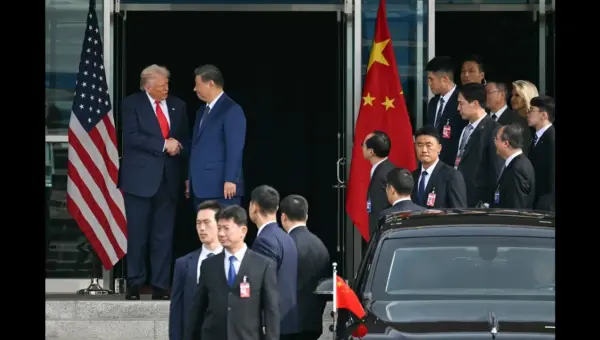
Trump’s “Walk Away” Tactic Signals Tougher Stance on China
Retired Air Force Brigadier General David Stillwell believes President Trump's strategy of being willing to walk away from negotiations puts pressure on China. This tactic, combined with US global actions and strengthened alliances, signals a more assertive American foreign policy.

Tiger Woods Arrested for DUI After Crash
Golf legend Tiger Woods was arrested for DUI in Florida following a dramatic rollover crash. Meanwhile, a government shutdown continues as House Republicans block a Senate deal, leading to airport chaos and TSA worker pay issues. The stock market also plummeted into correction territory amid fears of a prolonged Iran conflict.
Trump’s Name Everywhere: A ‘Stain’ on GOP Legacy?
Former President Donald Trump's efforts to brand national symbols, including a proposed signature on dollar bills, spark debate. Critics view this as an authoritarian attempt to embed his legacy, potentially staining the Republican Party's history and contrasting with democratic ideals of public ownership.