US Marines May Seize Iran’s Kharg Island in Escalation
Conflicting reports surround the Iran conflict as the U.S. weighs a potential ground operation on Kharg Island, Iran's oil hub. While President Trump claims the war is nearing its end, military deployments suggest a possible escalation. Experts highlight the strategic importance and risks of seizing Kharg Island.

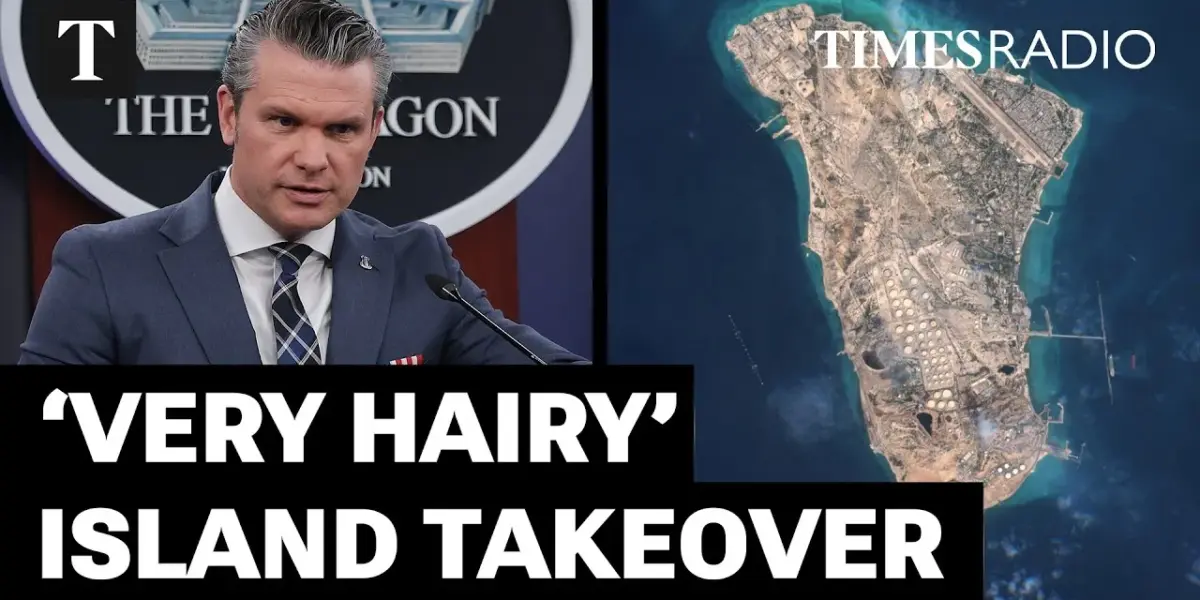
US Weighs Kharg Island Seizure Amid Iran Conflict
As the conflict with Iran enters its 26th day, conflicting reports and statements from U.S. officials have left many confused about the path forward. President Trump has claimed the war is nearing its end, stating the U.S. has achieved its objectives and is engaged in productive talks. However, military deployments and expert analysis suggest a potential for significant escalation, including a ground operation on Iran’s vital Kharg Island.
Conflicting Messages on War’s End
President Trump recently stated on social media that the war with Iran was “basically over” and that the U.S. had won. He also indicated that “very good and productive talks” were underway with key individuals in Tehran. Speaking at the White House, the President asserted that the U.S. had achieved “regime change,” suggesting that the current leaders were different from those who initiated the conflict.
“We have really regime change,” President Trump said. “You know, this is a change in the regime because the leaders are all very different than the ones that we started off with that created all those problems.” He added that Iran “badly wants to make a deal.”
This optimistic outlook contrasts sharply with statements from the Secretary of War, Pete Hexith, who suggested that military action, specifically the use of bombs, was a key part of U.S. negotiations. “We see ourselves as part of this negotiation as well,” Hexith stated. “We negotiate with bombs.” He emphasized the administration’s commitment to preventing Iran from acquiring nuclear weapons.
Military Buildup Points to Escalation
Despite claims of nearing peace, U.S. troops are reportedly massing in the region. Two Marine Expeditionary Units and an immediate response force from the 82nd Airborne are en route, suggesting preparations for a potential ground operation. The focus of this potential operation appears to be Kharg Island, Iran’s primary oil export hub.
Congressman Lindsey Graham, a prominent advisor to President Trump, has publicly advocated for seizing Kharg Island. “Keep it up for a few more weeks. Take Car Island where all of the resources they have to produce oil. Control that island. Let this regime die on a vine,” Graham urged. He expressed confidence in the military, stating, “We did Iwo Jima. We can do this.”
Kharg Island: A Strategic Target
Mick Mulroy, a former U.S. Assistant Secretary of Defense for the Middle East, explained the strategic importance of Kharg Island. “Car Island has 90% of the processing capability of Iranian energy,” Mulroy noted. The proposed strategy, he explained, would involve Marines taking and holding the island to pressure Iran into reopening the Strait of Hormuz.
However, Mulroy also highlighted significant risks and uncertainties. “It’s unclear if that would actually do that. That’s one of the big issues I think that’s being debated inside the Pentagon right now,” he said. He also pointed out that Iran is reportedly preparing for such an occupation by mining the area and positioning long-range weapon systems to target the island, potentially making it a dangerous mission for U.S. forces.
Shift to Economic Warfare
Mulroy elaborated on the evolving nature of the conflict, stating that it has shifted from conventional military engagement to a more economic focus, with the Strait of Hormuz at its center. He noted that Iran has benefited from the situation, not only through tolls but also from the U.S. lifting sanctions on oil already at sea, resulting in a significant financial gain for Tehran.
“The question now, of course, is what is the United States going to do about it?” Mulroy asked. He suggested that a pause in the air campaign might be an attempt to find a diplomatic solution, but if that fails, the next phase could involve substantial military escalation.
Allied Hesitation and Global Impact
The situation has also created hesitation among U.S. allies, including the UK, who were reportedly not consulted on the initial actions. Mulroy suggested that a pause in U.S. military action could make it more plausible for allies to join efforts to reopen the Strait of Hormuz, which is crucial for global energy and resource supplies.
“It is 21% of the oil. It is around over 20% of the liquefied gas, the nitrogen that we need for fertilizer, the helium we need for advanced chips,” Mulroy explained, emphasizing the global impact of the Strait’s closure. He called for a coalition of nations to tell Iran it must open the strait or face military consequences.
Diverging Strategies with Israel
Mulroy also noted potential differences in strategy between the U.S. and Israel. While Israel’s objective may still be regime dismantling, the U.S. appears to be engaging in talks with the current Iranian regime, as evidenced by communication with Iran’s foreign minister and the speaker of the parliament. Mulroy expressed hope that the U.S. could influence Israel to cease bombing Iran, which could worsen the global situation.
Looking Ahead
With conflicting signals and significant military deployments, the situation remains uncertain. The effectiveness of a potential pause in military action and the outcome of diplomatic efforts are key factors to watch. The U.S. decision on whether to proceed with an operation on Kharg Island, and Iran’s response, will likely determine the next phase of the conflict and its impact on global energy markets.
Source: US Marines & Paratroops Prepped To Take Kharg Island: Iran Has Rockets Zeroed In On It | Mick Mulroy (YouTube)

Related Articles

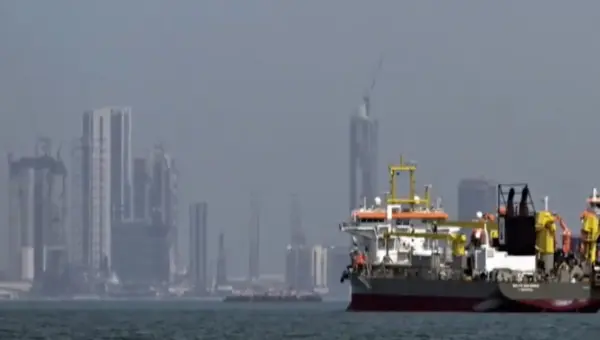
Iran Blocks China Ships, Exposing Beijing’s Weak Grip
Iran's recent decision to block Chinese ships at the Strait of Hormuz is exposing the limits of Beijing's influence in the Middle East. This action is causing delays and cancellations for Chinese manufacturers, turning a perceived geopolitical win into an economic strain.
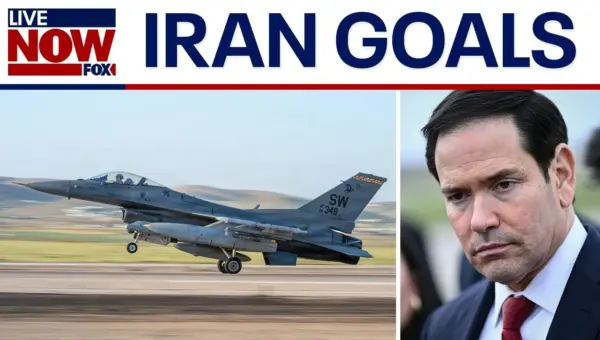
Rubio: US Can Achieve Iran War Goals Without Troops
Senator Marco Rubio outlined a strategy to counter Iran without deploying U.S. ground troops, focusing on weakening the regime and enhancing maritime security. He also criticized Cuba's economic system and expressed concerns about West Bank violence.


Israel Escalates Iran Strikes, Warns of Wider War
Israel has launched significant strikes inside Iran following continued missile fire, warning of further escalation. The conflict risks wider regional instability and economic disruption, especially concerning the Strait of Hormuz.