Trump Taps Guard as Airport Chaos Grips Nation
President Trump is considering deploying the National Guard to U.S. airports amid record TSA worker callouts due to the government shutdown. This crisis highlights the impact of political gridlock on national infrastructure and federal employees.

Trump Taps Guard as Airport Chaos Grips Nation
President Trump is considering using the National Guard to help manage airport security as Transportation Security Administration (TSA) worker callouts reach historic highs. This move highlights a growing crisis within the Department of Homeland Security (DHS) and the broader impact of government shutdowns on national infrastructure.
Record Airport Delays Plague Travelers
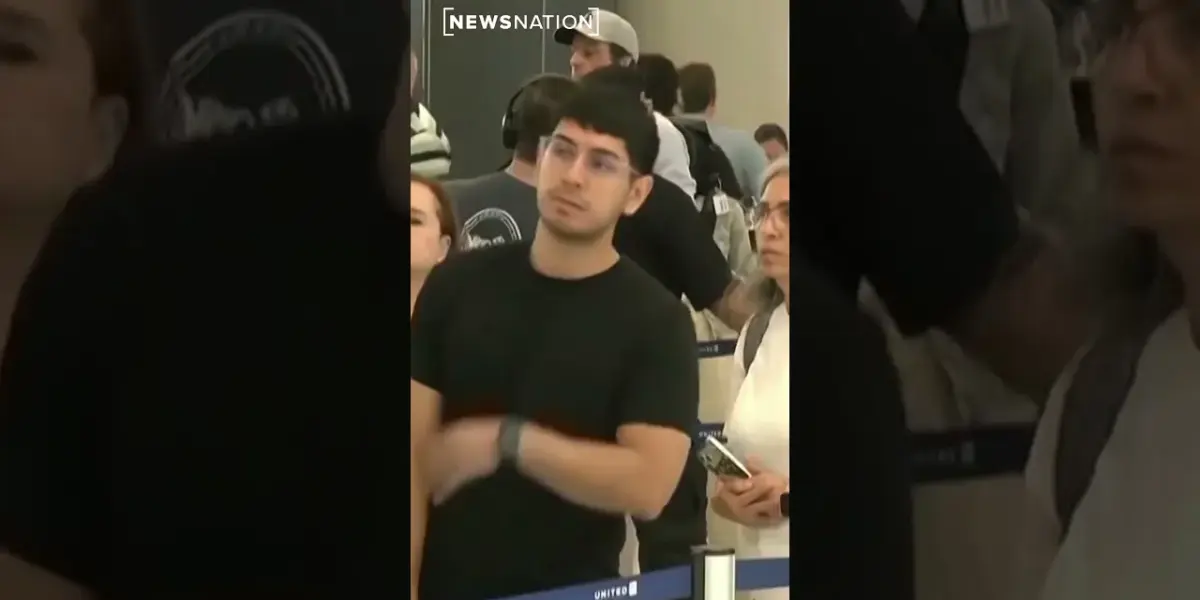
Airport wait times are at their longest ever. Many TSA officers are calling out of work, causing significant disruptions. On a recent Tuesday, over 3,000 TSA officers did not show up for their shifts. This represents more than 11% of the workforce, a rate five times higher than normal, according to DHS officials. Major airports are feeling the pinch. At New York’s JFK airport, nearly 40% of TSA agents were absent. Houston’s Hobby Airport saw almost half of its staff not report for duty that day.
Federal Employees Face Paycheck Uncertainty
The increase in absences is directly linked to the ongoing government shutdown. Federal employees, including TSA officers, have not received paychecks for weeks. DHS expects the situation to worsen as Friday approaches, the day many workers would normally receive their pay. This uncertainty is pushing more employees to the breaking point, leading to more callouts.
Administration Responds to Crisis
The Trump administration is taking steps to address the airport chaos. ICE agents have already been sent to some airports to help fill the gaps. Now, President Trump is exploring the possibility of deploying the National Guard. This would be a significant step, using military personnel to handle civilian security duties.
Drivers of the DHS Stalemate
The root of the problem is the ongoing dispute over funding for a border wall. President Trump is demanding billions for the wall, while Democrats in Congress refuse to approve the funding. This standoff has led to a partial government shutdown, now in its fourth week. The shutdown affects roughly a quarter of the federal government, including DHS. DHS oversees agencies like the TSA and ICE, making them directly vulnerable to funding gaps. The administration’s stance is that border security is paramount. Congressional Democrats argue that wall funding is wasteful and ineffective. This deep division has created a stalemate, leaving federal workers in limbo.
Historical Context of Government Shutdowns
Government shutdowns are not new in U.S. history. They occur when Congress and the President cannot agree on spending bills. While often shorter, some past shutdowns have lasted for extended periods. However, the current situation is notable for its impact on critical infrastructure like airports. Previous shutdowns have also affected national parks and other federal services, but the direct impact on daily travel for millions is a significant escalation. The reliance on TSA officers, who are federal employees, means that funding disputes have immediate, tangible consequences for public safety and convenience.
Economic and Social Ramifications
The airport disruptions have economic consequences. Flight delays and cancellations cost airlines money and disrupt business travel. Travelers face lost time and potential missed connections or events. The stress on TSA officers is also immense. They are working under difficult conditions, facing increased passenger volumes and security pressures without regular pay. This situation raises questions about the sustainability of relying on federal employees for essential services when funding is uncertain. The administration’s proposed solution of using the National Guard also raises its own set of issues. While the Guard can provide personnel, their primary role is defense, and using them for domestic security tasks requires careful consideration and specific authorizations.
Future Scenarios and Global Impact
The most immediate scenario is the resolution of the government shutdown. If a deal is reached on border wall funding, federal employees would likely receive back pay, and TSA staffing could return to normal levels. However, if the shutdown continues, expect airport disruptions to worsen. The continued use of ICE agents or the deployment of the National Guard could become permanent measures, raising questions about the long-term role of these agencies. This crisis underscores the vulnerability of national security and public services to political gridlock. It also serves as a stark reminder of the human cost of political disputes, as federal workers bear the brunt of the financial and professional consequences. The international perception of U.S. stability could also be affected by prolonged internal governmental dysfunction.
Source: Trump weighs National Guard for airports as DHS stalemate continues (YouTube)

Related Articles
TSA Workers Get Paid After Record Absences
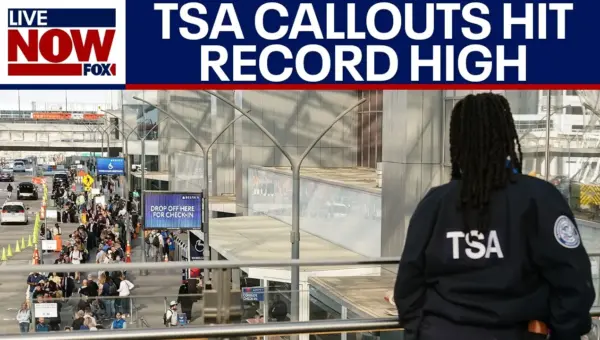
TSA agents will finally receive paychecks after working nearly six weeks without salary, following a directive from President Trump. Record high absences had strained airport operations and caused significant passenger delays. The situation has sparked calls for better protections for essential workers during government shutdowns.

House Republicans Reject Senate Deal, Sparking Government Funding Clash
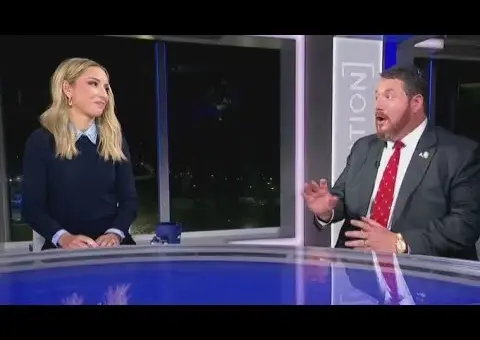
House Republicans have rejected a Senate bill to end the government shutdown, citing insufficient border security measures. Congressman Randy Fine called the Senate deal a "disgrace" and highlighted the ongoing fight for full government funding. President Trump's executive order to pay TSA agents offers temporary relief, but the core disagreement over border security continues to paralyze Washington.


Tiger Woods Arrested for DUI After Crash
Golf legend Tiger Woods was arrested for DUI in Florida following a dramatic rollover crash. Meanwhile, a government shutdown continues as House Republicans block a Senate deal, leading to airport chaos and TSA worker pay issues. The stock market also plummeted into correction territory amid fears of a prolonged Iran conflict.