Huw Edwards’ Boozy Lunches and Hidden Struggles Revealed
Journalist Andrew Billen shares accounts of boozy lunches with former BBC anchor Huw Edwards, revealing a troubled man behind the trusted public image. A new drama explores Edwards' downfall, highlighting his private struggles and the power dynamics involved.

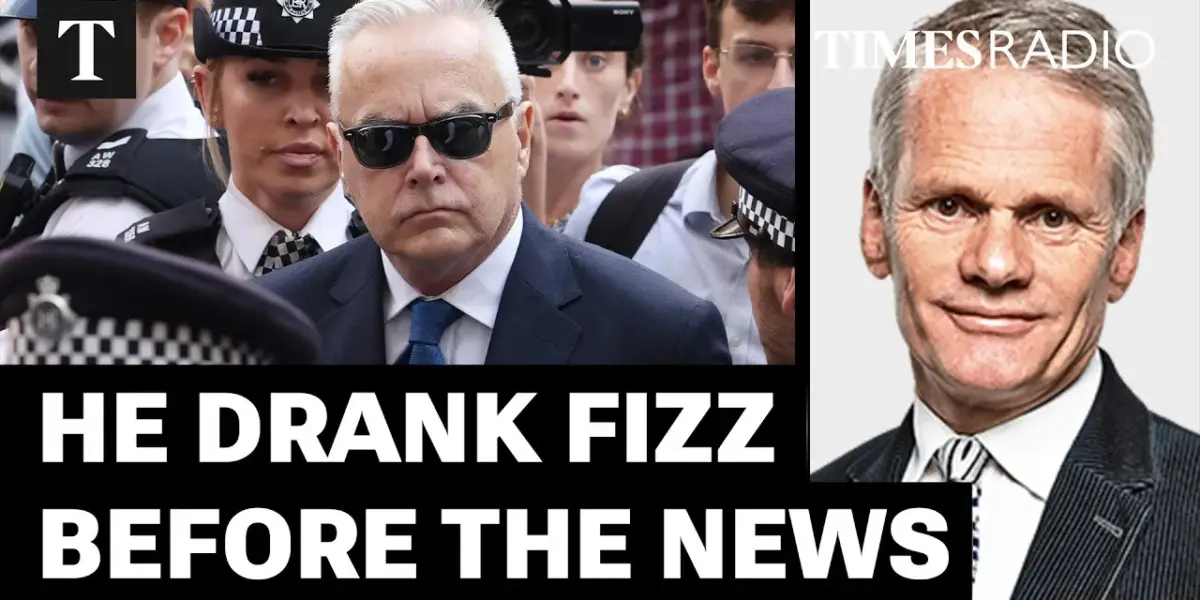
Huw Edwards’ Public Image Contrasts with Private Struggles
A new Channel 5 drama is shedding light on the complex life of former BBC news anchor Huw Edwards. The series explores the downfall of the respected broadcaster, a figure many knew only as the trusted face delivering major news. However, interviews and critical reviews suggest a more troubled and hidden side to the man behind the headlines.
Journalist Recounts Boozy Lunches with Edwards
Andrew Billen, a journalist for The Times, shared his experiences interviewing Huw Edwards. Billen recounted two lunches with Edwards, the second taking place just before a damaging story broke about the presenter. During these meetings, Edwards reportedly drank heavily, even consuming champagne while scheduled to broadcast later that evening.
“He then ordered a bottle of champagne, I guess, as a way of an apology for forgetting all about me. He then went on to really slag off most of his colleagues.”
Billen described one lunch where Edwards, having forgotten their meeting, arrived late and immediately ordered champagne. The conversation reportedly involved Edwards criticizing many of his colleagues. As the afternoon wore on and several bottles of champagne were consumed, Billen, not a regular drinker, declined a further offer, opting for an espresso instead. Edwards, who was due to present the News at Ten, claimed he would be fine after three espressos and three pints of water.
Drama Captures Edwards’ Inner Turmoil
The Channel 5 drama, starring Martin Clunes as Edwards, has been praised for its portrayal of the broadcaster’s struggles. Critics note the series’ bleak tone, reflecting the difficult subject matter. Billen felt the drama accurately captured aspects of the man he interviewed, including his paranoia, resentment, and perceived arrogance. These traits, Billen suggested, may have contributed to his eventual downfall.
“He was warm as an acquaintance rather than just as a subject of an interview over two lunches,” Billen said of Edwards, emphasizing that he did not want to seem like he was defending the presenter. “He was full of bonhomie, very, very funny. He was warm. He was obviously a very troubled man.”
The Power Dynamic and Public Trust
The drama also touches upon the power dynamics involved, particularly concerning the relationship between Edwards and a younger individual. Billen highlighted the significant age, success, and wealth difference between Edwards and a “working-class boy,” suggesting this imbalance was deeply problematic. The presenter’s public image as a trustworthy figure, the man people relied on for significant national events, is seen as a stark contrast to the private struggles depicted.
“He sold himself, you know, as the trusted guy, the straight the straight man, the man you could trust, the man you could trust with announcing the death of the queen,” Billen stated. He added that Edwards had suppressed many sides of his personality, perhaps intending to maintain an image of seriousness and reliability.
The Role of Media in the Downfall
The transcript also mentions the role of The Sun newspaper in bringing Edwards’ actions to light. Billen noted that The Sun led the charge in publishing the story that ultimately led to Edwards’ public downfall. This aspect of the story, the media’s influence and the speed at which information spread, is also featured in the drama and Billen’s reporting.
Looking Ahead: The Lasting Impact
The story of Huw Edwards serves as a stark reminder of the complexities behind public personas. As the drama continues to be discussed and reviewed, it prompts further reflection on the pressures faced by high-profile individuals and the potential consequences of hidden struggles. The lasting impact on public trust and the media’s role in such narratives will likely be a subject of ongoing conversation.
Source: Huw Edwards Drank Champagne Before The News At 10 | Andrew Billen (YouTube)

Related Articles

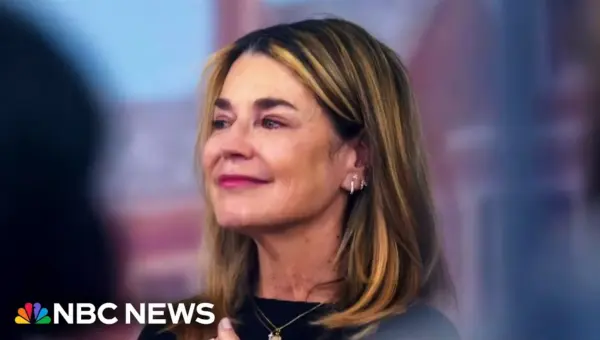
Savannah Guthrie Returns to TODAY After Family Ordeal
Savannah Guthrie is set to return to the TODAY show on April 6th following a period of hardship after her mother's kidnapping. She has shared a heartfelt message to the abductor and spoken about her family's resilience. Guthrie plans to find joy as a form of protest upon her return.
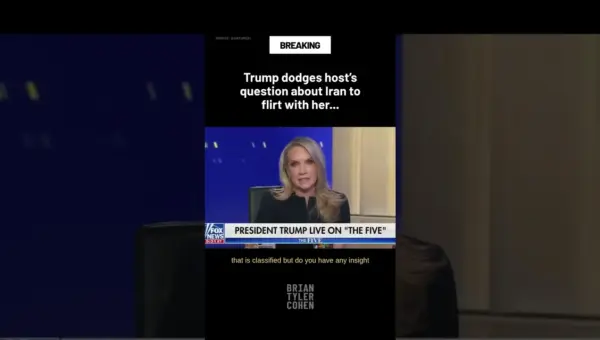
Trump Flirts With Host, Dodges Iran Human Rights Question
During an interview, Donald Trump deflected a question about the human rights situation in Iran. Instead of answering, he reminisced about a past lunch and complimented the interviewer's appearance. This exchange highlights a trend in political communication where personal interactions can overshadow serious global issues.
Fox News Hosts Spark Outrage With Shocking Remarks
From commentary on candy mascots to serious accusations about election fraud, several Fox News hosts have made controversial statements that sparked outrage and consequences. This list details the most provocative remarks, including advertiser boycotts, public backlash, and a massive defamation lawsuit.