Abigail Adams’s Plea for Women’s Rights Echoes Today
Abigail Adams's 1776 plea to "remember the ladies" in lawmaking is highlighted in the new "In Pursuit" project, which examines the often-overlooked influence of women in American history. Led by former U.S. Archivist Colleen Shogan, the project aims to correct historical narratives that sideline First Ladies and other influential women, revealing their significant roles in shaping the nation.

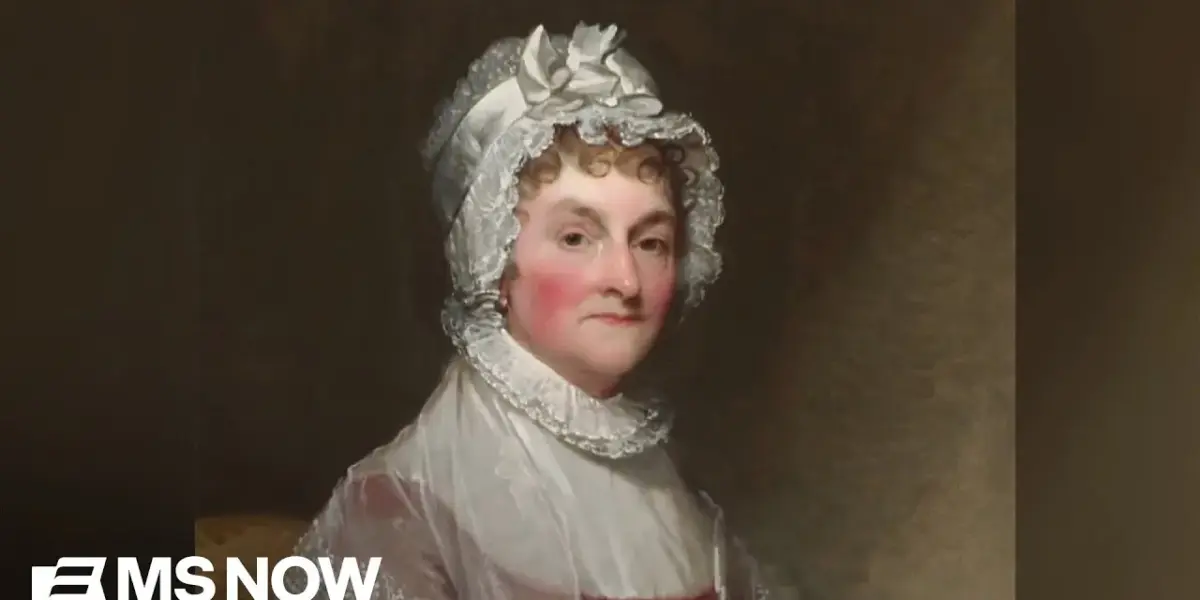
During Women’s History Month, a new project highlights Abigail Adams’s early call for gender equality, urging the Founding Fathers to “remember the ladies” in lawmaking. This message, delivered in 1776, serves as a stark reminder of the limited rights women held under English common law, where married women were often treated as property with no legal standing. The “In Pursuit” project, led by former U.S. Archivist Colleen Shogan, aims to shed light on the often-overlooked influence of First Ladies and women in American history.
Abigail Adams’s Radical Call for Equality
In a letter penned to her husband John Adams in March 1776, Abigail Adams made a powerful plea for the inclusion of women’s rights in the new nation’s laws. At a time when the American colonies were fighting for liberty from British rule, Adams pointed out the hypocrisy of seeking freedom abroad while denying it within the home. She famously urged John to “remember the ladies” as they drafted new laws, highlighting the severe lack of rights afforded to women under the legal doctrine of coverture. Under this system, married women had no independent legal identity. Their property, earnings, and even their legal personhood were subsumed by their husbands. This meant women could not own property, control their wages, or engage in legal proceedings independently, effectively making them legal dependents and possessions.
The “In Pursuit” Project: Rescuing Women from the Margins of History
Colleen Shogan, CEO of “In Pursuit” and a trailblazer herself as the first woman to lead the National Archives and Records Administration, emphasizes the project’s goal: to uncover the significant, yet often ignored, contributions of women connected to presidents. Shogan notes that traditional history lessons frequently omit or minimize the roles of First Ladies, mentioning only a few prominent figures like Eleanor Roosevelt or Jackie Kennedy. The “In Pursuit” project seeks to correct this historical imbalance by exploring the informal yet potent ways these women wielded influence, shaped national conversations, and exercised power even before they had the right to vote or hold office.
Patriarchy’s Lingering Shadow
The conversation around Abigail Adams’s letter also touches upon the enduring nature of patriarchal structures. Shogan and the interviewer agree that despite progress, society still grapples with gender inequality. Adams’s critique of gender norms in 1776 resonates with contemporary struggles against patriarchy. The project underscores how historical record-keeping, often dominated by male perspectives, has relegated women’s stories to footnotes. “In Pursuit” aims to create a more complete and accurate historical narrative by bringing these influential women into sharper focus.
Modern First Ladies: Public Figures in a Digital Age
The discussion extends to the roles of modern First Ladies, such as Hillary Clinton, Michelle Obama, and Melania Trump. The rise of social media has amplified their public visibility and potential impact. Shogan notes that contemporary First Ladies operate in highly public arenas, exemplified by Melania Trump’s recent appearances, including a striking visual at a White House forum with an AI robot. However, the true extent of their influence on policy and their husbands’ decisions often remains private until historical records are analyzed. This highlights the ongoing importance of meticulous record-keeping, a cause Shogan champions, especially given the challenges posed by digital communication methods like disappearing messages in signal chats.
The Importance of Archival Integrity
The project’s focus on historical accuracy and record-keeping circles back to the critical role of institutions like the National Archives. Shogan stresses that preserving accurate historical records is vital for understanding past administrations and ensuring future historical accounts are correct from the outset. The use of ephemeral communication methods by some administrations raises concerns about the completeness of the historical record, making efforts to document and preserve information more crucial than ever. “In Pursuit” contributes to this effort by re-examining historical figures and encouraging a more inclusive understanding of American history.
The “In Pursuit” series can be followed on Substack at inpursuit.org. The project serves as a timely reminder during Women’s History Month of the foundational calls for equality and the ongoing need to recognize the power and influence of women throughout American history.
Source: New essay focuses on Abigail Adams as early advocate for women's rights (YouTube)

Related Articles


Heritage Foundation Unveils Plan to Reshape American Women’s Lives
The Heritage Foundation has unveiled a new blueprint, "Saving America by Saving the Family," that critics argue aims to reduce women's independence and opportunities. The plan targets higher education, tax policy, and reproductive rights, drawing inspiration from conservative social visions and international models.

Heritage Foundation Plan Aims to Control Women, Expert Warns
The Heritage Foundation's new agenda aims to incentivize childbirth and traditional marriage through tax laws, but critics like Kathy Spiller of the Feminist Majority warn it's a plan for authoritarian control over women. Spiller emphasizes the need for the Equal Rights Amendment to protect against such legislative overreach and highlights the ongoing resistance from women's rights advocates.

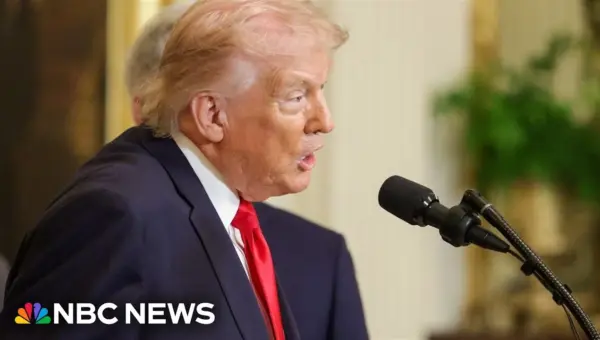
Trump Celebrates Women’s History Month, Highlights Economic Gains
President Trump hosted a Women's History Month event at the White House, celebrating the contributions of women and touting economic achievements. He highlighted job growth, tax cuts benefiting working mothers, and efforts to lower prescription drug costs, while also addressing issues of public safety and gender in sports.