Trump Receives Daily War Highlights, Critics Warn of Risks
President Trump reportedly receives daily video highlights of military strikes, a practice drawing criticism from experts concerned about his understanding of the Iran conflict. Analysts warn this focus on brief, game-like clips may overshadow crucial intelligence and lead to dangerous escalations, while veterans condemn the trivialization of war.

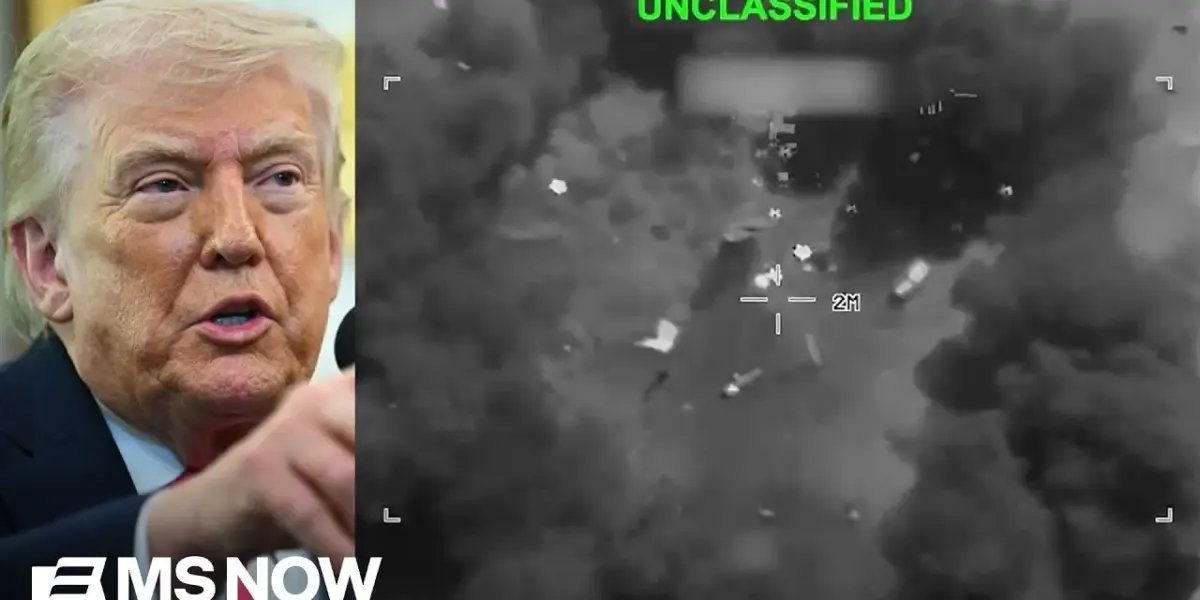
President Trump Receives Daily War Updates, Sparking Concern
President Donald Trump is reportedly receiving daily highlight reels of military strikes, a practice that has drawn sharp criticism from analysts and experts. The short, fast-paced videos, described as similar to video game clips, are raising alarms about the president’s understanding of complex geopolitical situations, particularly concerning Iran.
Experts Question Information Flow and Strategy
Nicholas Kristof, a columnist for The New York Times, expressed concern that while officials may watch such brief updates, the critical issue is President Trump not receiving crucial, comprehensive information. “What he needed before the war was to get better information about the fact that Iran could close the Strait of Hormuz,” Kristof stated. He also highlighted the importance of understanding potential consequences, such as Iran becoming a more hard-line country if its leaders were targeted.
Kristof worries that focusing on brief successes, like clips of U.S. strikes, might overshadow the dangerous realities of escalating conflict. “What I want him to understand is how dangerous that will be for the U.S.,” he said. “The doubling down will complicate the military environment and economic environment for the entire world.”
“Negotiating with Bombs” and Adolescent Bravado
The Trump administration’s approach to foreign policy, particularly regarding Iran, has been described as a fixation on military power. Defense Secretary Pete Hegseth has spoken about empowering U.S. forces to “close with and destroy the enemy as viciously as possible from moment one.” He also stated, “We negotiate with bombs.”
Professor Eddie Gloud of Princeton, a political analyst, characterized this approach as a form of “the bombast of boys” and “muscular Christianity.” He believes these actions reflect a dangerous oversimplification of military strategy, driven by insecurity and a lack of understanding of international constraints and laws. “We have some very insecure men who are leading the most powerful military in the world and they’re acting like adolescent boys or frat boys claiming that they can destroy anything that they want to,” Gloud commented.
War Reduced to Memes and Lack of Curiosity
The White House social media team has been criticized for producing and sharing edited war videos, essentially turning serious military actions into memes. This approach has been met with strong pushback from veterans. One veteran called the videos “almost obscene,” while another stated they undermine the sacrifices made by American service members.
Gloud suggested that Trump’s preference for short video clips indicates a “lack of curiosity” and a tendency to operate “on the surface.” This superficial engagement, he argued, is particularly concerning when deciding on troop deployments and potential escalation in Iran, which could have devastating consequences for American lives and the global economy.
Economic Concerns and Unrealistic Proposals
There is a sense that President Trump may be more focused on the economic implications of conflict, such as the stock market and oil prices, than on the broader strategic and human costs. His administration has put forth a 15-point proposal to end the conflict with Iran, which analysts view as unrealistic and unlikely to be accepted by Iranian leadership.
Kristof expressed fear that the president may not be getting a realistic understanding of how a peace deal could be achieved. He drew a parallel to the lead-up to the war, where negotiators like Steve Bannon reportedly misunderstood the offers made by the Iranians. This lack of deep understanding, combined with a focus on brief, highlight-reel updates, raises serious questions about the administration’s ability to navigate the complex path toward de-escalation and lasting peace.
Looking Ahead
As tensions remain high, the focus will be on whether President Trump receives more comprehensive intelligence briefings and whether the administration shifts its communication strategy away from trivializing the realities of war. The international community will be watching closely to see if a more nuanced and informed approach to diplomacy and conflict resolution emerges, prioritizing genuine understanding over quick-hit video highlights.
Source: Report: Trump receives daily highlights of strikes on Iran (YouTube)

Related Articles

U.S. Iran Tensions Rise Amid Shifting Alliances
Rising tensions between the U.S. and Iran are creating a volatile geopolitical situation. With conflicting signals on de-escalation and potential shifts in alliances like NATO and U.S.-Israel relations, the path forward remains uncertain. The global economy and regional stability hang in the balance.


Iran Targets US With Cyberattacks, Escalating Digital Warfare
Iran is increasingly using cyberattacks to challenge the U.S., as seen in a recent hack of the FBI director's account. Experts say this is a strategic shift due to Iran's limitations in conventional warfare. The U.S. needs to strengthen its digital defenses, focusing on encryption and cloud computing, rather than solely relying on traditional security measures.


Iran Hacks FBI Chief, Exposing U.S. Cyber Vulnerabilities
A recent hack of FBI Director Kash Patel's personal email by an Iran-linked group highlights Iran's growing cyber threat to the U.S. Experts explain how simple security oversights are exploited, emphasizing the need for basic defenses like two-factor authentication to protect against propaganda and potential infrastructure attacks.