Russia Fuels Iran’s War Machine, US Bases Crumble
Russia's alleged support for Iran, including drones and targeting data, has led to significant damage to U.S. military bases in the Middle East. Troops are reportedly abandoning bases and operating remotely, raising concerns about American influence and global security.

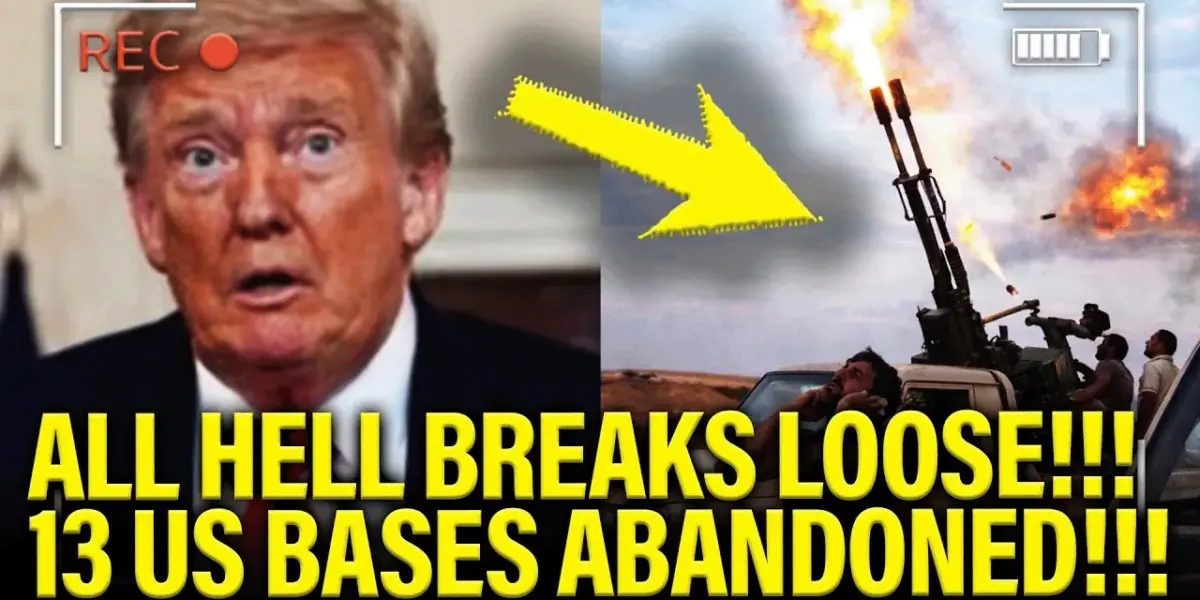
Russia Fuels Iran’s War Machine, US Bases Crumble
The Middle East is in turmoil, and new reports suggest Russia is playing a significant role in escalating the conflict. The United States is facing major setbacks, with its military bases in the region reportedly under heavy attack and troops forced to relocate. This situation raises serious questions about American foreign policy and its standing in the world.
Russia’s Support for Iran
According to recent reports, Russia has been actively supplying Iran with drones, satellite imagery, and targeting data. This support is said to be crippling U.S. operations. The New York Times reported that Iran has significantly damaged American bases across the Middle East, with at least 17 sites hit in recent weeks. The damage is estimated to be over $800 million.
This influx of Russian aid appears to be giving Iran a significant advantage. Reports indicate that Iran is even using a spy network to locate U.S. troops who have been forced to abandon their bases and are now operating from hotels. The Islamic Revolutionary Guard Corps has reportedly urged people to report these new locations, increasing the danger for American soldiers.
Abandoning Bases, Fighting Remotely
The situation has become so dire that many U.S. military bases in the Middle East are described as uninhabitable. Troops have reportedly abandoned many of these locations, resorting to working remotely from hotels. This leaves much of the land-based military in a state of remote conflict, with only fighter pilots and crews actively engaged in combat operations. This is a drastic change from traditional military presence.
The bases in Kuwait, particularly near Iran, seem to have suffered the most damage. Attacks have hit facilities at Port Shawaba, Ali al-Salaman air base, Camp Buring, Al Udeid air base in Qatar, and bases in Bahrain and Saudi Arabia. These strikes have damaged aircraft, fuel facilities, radar systems, and communication equipment.
Historical Context: The Shifting Sands of Power
The current conflict is unfolding against a backdrop of changing global alliances and technological advancements. For years, the U.S. has maintained a significant military presence in the Middle East. However, the effectiveness of these traditional bases is being challenged by new warfare methods.
The transcript highlights the rise of drone technology, particularly from China, which is presented as the future of warfare. This contrasts with older systems like THAAD and Patriot, which the U.S. has reportedly pushed onto its allies. The ability of Russia to provide advanced drone technology and targeting data to Iran suggests a new era of asymmetric warfare where established powers can be vulnerable.
Furthermore, the report mentions Russia’s own success in mass-producing drones, similar to how car companies have factories in different countries. This indicates that Russia has adapted its own military production to meet demand, making its support for Iran even more potent.
International Repercussions and Shifting Alliances
The conflict extends beyond the immediate U.S.-Iran confrontation. Russia’s involvement raises concerns about its broader geopolitical ambitions. Ukraine’s President Zelenskyy has claimed that Russia has tried to blackmail the U.S. by threatening to stop sharing intelligence with Iran if Washington cut off support for Ukraine.
The situation also involves other international players. China is mentioned as a potential supporter of Iran, though the transcript notes a reluctance to strike at China directly. The conflict in the Caspian Sea, where Israel has reportedly struck Russian and Iranian assets, further illustrates the complex web of international involvement.
The transcript also touches on other global issues, such as the UN General Assembly’s resolution on the enslavement of Africans, where the U.S., Israel, and Argentina reportedly voted against it. It also mentions the U.S. allegedly tying life-saving HIV treatment for Zambia to access to the country’s minerals.
The Future Outlook: A World in Flux
The current events suggest a significant weakening of U.S. influence and reliability on the global stage. The reliance on remote operations from hotels and the damage to key military assets paint a picture of a military struggling to adapt to modern threats. The transcript suggests that other nations no longer view the U.S. as a reliable partner, with France reportedly exploring independent alliances.
The increased coordination between Russia and Iran, coupled with advancements in drone warfare and potential support from China, presents a formidable challenge. The U.S. faces a critical juncture, needing to reassess its military strategy, foreign policy, and alliances to navigate this increasingly complex and dangerous global environment.
Why This Matters
The events described have profound implications for global security and American foreign policy. The reported success of Iran, backed by Russia, in damaging U.S. military bases signals a potential shift in military power dynamics. If U.S. troops are forced to operate from hotels, it represents a significant tactical and psychological blow.
This situation highlights the vulnerability of traditional military infrastructure to modern, technologically advanced attacks. It also raises questions about the effectiveness of current U.S. defense strategies and its ability to project power globally. The potential for wider regional conflict, involving multiple nations and shifting alliances, makes this a critical issue for international stability.
Furthermore, the alleged willingness of major powers to support conflicts through arms and intelligence sharing, as seen with Russia and Iran, could embolden other actors and lead to increased global instability. Understanding these developments is crucial for grasping the evolving geopolitical landscape and the challenges facing international peace.
Source: All HELL BREAKS LOOSE as Trump ABANDONS BASES in WAR!!! (YouTube)

Related Articles

U.S. Iran Tensions Rise Amid Shifting Alliances
Rising tensions between the U.S. and Iran are creating a volatile geopolitical situation. With conflicting signals on de-escalation and potential shifts in alliances like NATO and U.S.-Israel relations, the path forward remains uncertain. The global economy and regional stability hang in the balance.


Iran Targets US With Cyberattacks, Escalating Digital Warfare
Iran is increasingly using cyberattacks to challenge the U.S., as seen in a recent hack of the FBI director's account. Experts say this is a strategic shift due to Iran's limitations in conventional warfare. The U.S. needs to strengthen its digital defenses, focusing on encryption and cloud computing, rather than solely relying on traditional security measures.


Iran Hacks FBI Chief, Exposing U.S. Cyber Vulnerabilities
A recent hack of FBI Director Kash Patel's personal email by an Iran-linked group highlights Iran's growing cyber threat to the U.S. Experts explain how simple security oversights are exploited, emphasizing the need for basic defenses like two-factor authentication to protect against propaganda and potential infrastructure attacks.