UK Economy Faces Downgrade Amid Iran War Fears
The UK's economic growth is forecast to slow significantly, with inflation expected to hit 4% due to disruptions from the Iran conflict. Economist Linda Yu explains how global tensions are impacting inflation and potentially leading to interest rate hikes. The long-term economic outlook depends on the resolution of the conflict and the reopening of vital shipping routes.

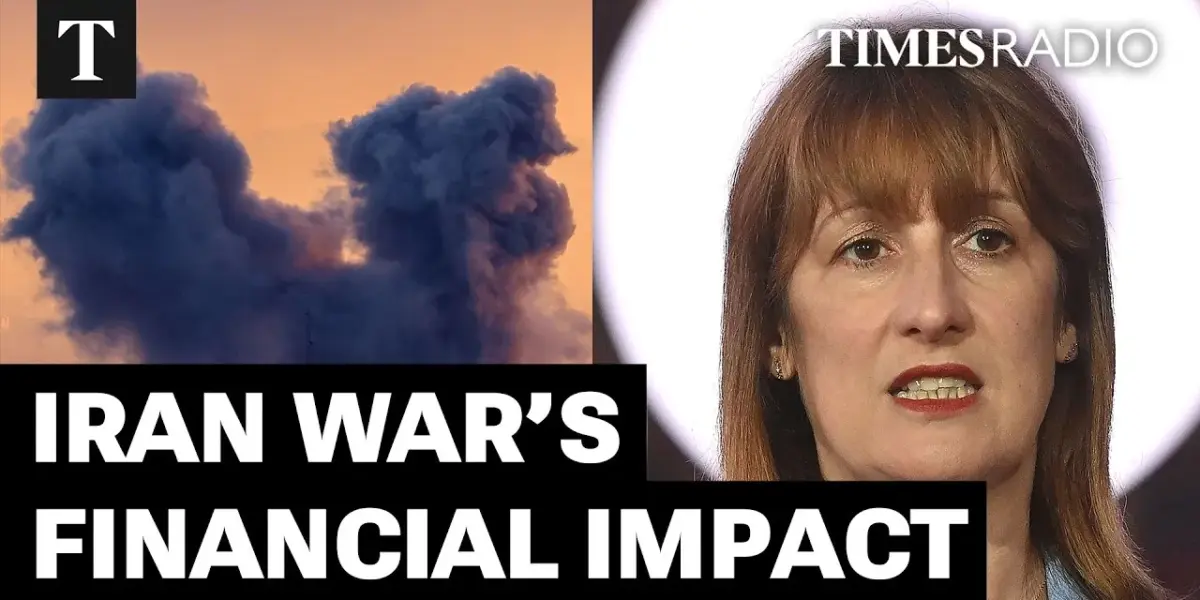
UK Growth Slows, Inflation Rises as Global Tensions Escalate
New economic forecasts suggest the United Kingdom’s growth will slow significantly this year, with inflation now expected to reach 4%. This downgrade places the UK near the bottom of the G7 nations for economic performance. The updated outlook comes as global tensions, particularly the conflict involving Iran, disrupt vital supply chains and energy markets.
Economist Explains Significant Economic Downgrade
Economist Linda Yu explained the seriousness of the situation, stating that while a full-blown crisis is unlikely, the downgrade is substantial. The Organization for Economic Cooperation and Development (OECD), a think tank for developed democracies, has cut its UK GDP growth forecast for this year by half a percent to 0.7%. This figure is a significant reduction from predictions made just months ago, before the conflict involving Iran began.
However, the OECD has kept its growth forecast for next year unchanged at 1.3%. Yu noted that this suggests the OECD does not expect the current economic hit to be long-lasting. The primary concern appears to be inflation, rather than a deeper, more systemic crisis. Inflation is now projected to hit 4% this year, a sharp increase from previous expectations.
Inflation Surge Linked to Middle East Conflict
The inflation forecast marks a significant reversal. Before the conflict escalated in the Middle East and disrupted oil and gas shipments through the Strait of Hormuz, the OECD and other forecasters expected UK inflation to be around 2% this year. The war’s impact on energy prices and shipping is now seen as the lingering cause of this unwelcome rise in costs for consumers and businesses.
Yu highlighted that inflation is expected to remain elevated next year, predicted at 2.6%. This continued inflation is a direct consequence of the disruptions caused by the conflict, particularly concerning the movement of oil and natural gas. The closure of key shipping routes has had a ripple effect across global markets.
Why the UK is Hit Harder Than Some Peers
When asked why the UK seems to be performing worse economically than other major developed nations, Yu pointed to structural factors. The UK imports more inflation than its G7 counterparts. This means the country relies more heavily on imported goods, especially natural gas and manufactured products. Consequently, fluctuations in global prices tend to affect the UK more directly and intensely.
This current oil shock, however, is affecting more than just oil and gas prices. Yu noted an interesting point from the OECD forecast: the United States is now expected to have higher inflation (4.2%) than the UK. This is surprising, given the US is generally considered more energy-independent and structurally has lower inflation.
Yu explained that this suggests the current disruption extends beyond just oil and gas. It impacts fertilizers, industrial components, and broader supply chains. For instance, the Middle East is a major supplier of oil, liquefied natural gas (LNG), and components for fertilizers. The conflict has also affected the supply of essential industrial materials like helium and bromine, which are crucial for sectors such as semiconductors.
Interest Rate Hikes Loom as Inflation Concerns Grow
The prospect of higher inflation inevitably raises concerns about interest rates. Financial markets are now anticipating that the Bank of England may need to raise interest rates twice this year, potentially pushing the base rate to 4.25%. This expectation is a stark contrast to earlier forecasts, which predicted two or even three rate cuts during the year.
The previous expectation of falling inflation was partly due to government cost-of-living measures. However, these measures are now overshadowed by the inflationary pressures stemming from the global conflict. Yu cautioned that these forecasts can change rapidly, depending heavily on the war’s progression and whether key shipping routes reopen.
Central banks are wary of changing course too quickly, especially after facing criticism for previously describing inflation as ‘transitory’ when it proved more persistent. If inflation is expected to remain high, central banks may be forced to raise borrowing costs to manage expectations. The European Central Bank, for example, has indicated a readiness to raise rates at upcoming meetings.
Long-Term Impact Depends on Conflict Resolution
The long-term economic damage hinges significantly on how the conflict evolves. If the war were to end immediately, Yu believes the impact on economic production, particularly for goods like fertilizers and industrial components, might not be lasting. However, the conflict is not expected to conclude swiftly.
The head of the International Energy Agency has compared the current situation to the oil shocks of the 1970s, suggesting it could be even more severe. The closure of the Strait of Hormuz and the direct targeting of economic facilities in neighboring countries, such as LNG plants, have caused widespread damage. Rebuilding these facilities could take years, leading to more enduring economic consequences.
Key factors to watch in the short term include the ongoing conflict and, crucially, the reopening of the Strait of Hormuz. The stability of global energy and commodity markets remains directly tied to developments in the Middle East.
Source: UK Faces 'Worrying' Economic Downgrade As A Result Of Iran War | Economist Explains (YouTube)

Related Articles

Stocks Ignore War Risks, Focus on “Taco Moments”
Stock markets appear to be overlooking the severe supply chain risks stemming from the Iran conflict, focusing instead on potential diplomatic de-escalations. While the S&P 500 shows resilience, bond and commodity markets signal deep concern over disruptions to critical resources like LNG, helium, and fertilizers.


Iran War Claims Ring Hollow as US Troops Injured in New Attack
Days after Donald Trump claimed "we've won" the war with Iran, a new attack injured approximately a dozen U.S. troops and damaged aircraft. This incident contradicts Trump's assertions of victory and raises serious questions about the strategy and reality of the ongoing conflict.

US Weighs Shifting Ukraine Weapons to Iran Amid Missile Shortage
The U.S. is reportedly considering diverting weapons destined for Ukraine to support operations against Iran, driven by rapidly depleted missile stocks. This potential shift raises concerns about Ukraine's defense capabilities and highlights the complex interplay between global conflicts.