Parasite Drugs Show Promise Against Cancer, Study Suggests
New research suggests that drugs developed for parasitic worms could offer a new approach to fighting cancer. These medications may disrupt cancer cells' energy production and structural integrity, while also supporting the immune system.

Parasite Drugs Show Promise Against Cancer, Study Suggests
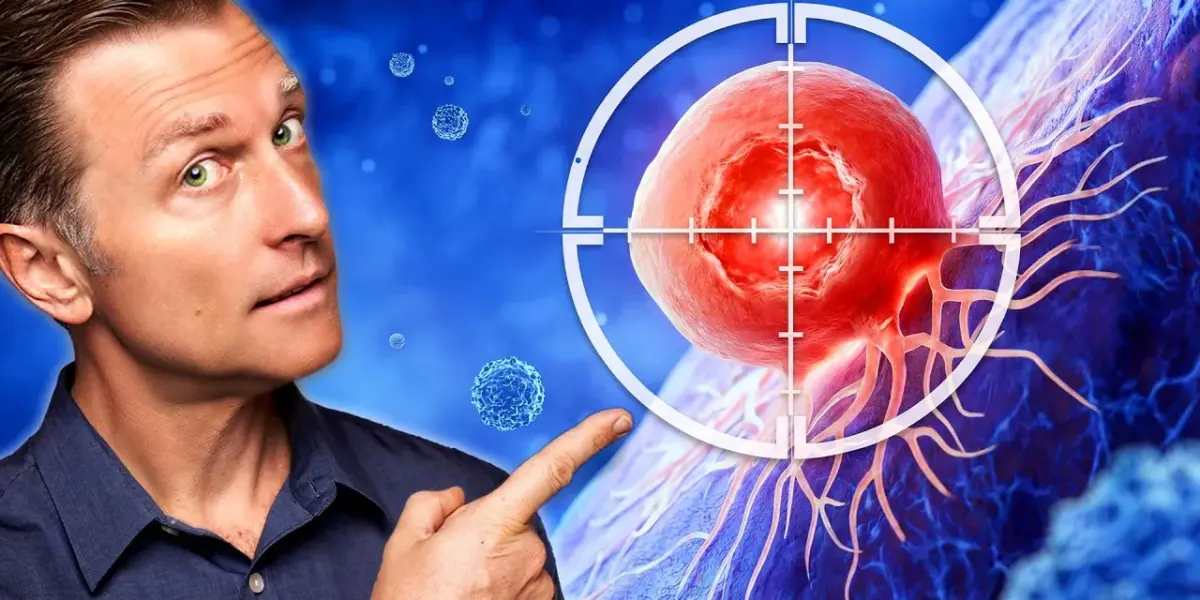
Emerging research suggests that drugs designed to fight parasitic worms might also be effective against cancer. A small number of patients with advanced cancer have reportedly entered complete remission after being treated with a drug commonly used for parasitic infections. This intriguing development has sparked discussion about a potential new avenue for cancer treatment.
Cancer’s Survival Strategies
The idea that cancer shares survival mechanisms with parasites and fungi is based on how these organisms generate energy. Normally, our body’s cells use mitochondria to produce energy, a process that is highly efficient. Mitochondria convert glucose into a large amount of energy, known as ATP.
However, when cells are damaged by toxins or radiation, they can switch to a different, more ancient energy-producing system. This backup system, known as glycolysis, is much less efficient, generating only a small amount of energy from glucose. This primitive survival mode is common in bacteria, fungi, and, according to this theory, cancer cells.
This reliance on sugar for energy is why PET scans, which use radioactive sugar to detect cancer, are effective. The scans highlight areas where cancer cells are rapidly consuming sugar for fuel. A key byproduct of glycolysis is lactic acid, which creates an environment where cancer can thrive, while normal cells struggle.
Shared Mechanisms Between Cancer and Parasites
Research indicates that cancer, parasites, and fungi share at least three core survival mechanisms. The first is a flexible internal scaffolding, a structural skeleton within cells. Both cancer cells and parasites are known for rapid division. For instance, a tapeworm can produce thousands of eggs daily, while cancer cells divide relentlessly, lacking the natural ‘brakes’ that control cell growth.
Certain antiparasitic drugs, like fenbendazole, are believed to work by disrupting this internal scaffolding. These drugs target tubular proteins, breaking down the cell’s structure. Other antiparasitic agents, including ivermectin and natural remedies like wormwood, black walnut hull, and clove, are thought to have similar effects, either directly or indirectly.
The second shared survival mechanism involves disabling a cell’s natural ‘self-destruct’ button. Normally, damaged cells undergo programmed cell death, or apoptosis, for the good of the body. Cancer cells and parasites can effectively display a ‘do not kill me’ signal, which can trick the immune system into leaving them alone.
Antiparasitic drugs and some natural remedies may help by removing this ‘badge,’ allowing the immune system to recognize and eliminate the harmful cells. This could potentially re-engage the body’s natural defenses against cancer.
Blocking Cancer’s Fuel Source
The third survival mechanism is the shared reliance on glycolysis. Antiparasitic remedies are thought to interfere with this process, effectively blocking cancer’s primary fuel source. This means that drugs used to combat parasites could potentially starve cancer cells of the energy they need to survive and multiply.
While some research focuses on specific drugs like ivermectin and fenbendazole, it’s noted that many natural remedies used for parasite cleansing may also work indirectly or directly to inhibit glycolysis.
Why Isn’t This Widely Known?
Several factors may explain why these findings are not yet mainstream. Many of these drugs have had their patents expire, making them less profitable for pharmaceutical companies to invest in large-scale clinical trials. Much of the current research comes from universities and smaller labs, often without significant industry funding, which can lead to fewer conflicts of interest.
There are also published case studies documenting positive results in patients with advanced cancer, including those resistant to chemotherapy. For example, studies on fenbendazole suggest it targets both regular cancer cells and cancer stem cells—the resilient cells that can survive treatment and cause tumors to regrow. Some animal studies have shown a 100% survival rate in treated mice compared to zero in untreated controls, even with chemotherapy-resistant cancers.
Supporting Your Immune System
While exploring these potential treatments, it’s crucial to remember the body’s own powerful defense system: the immune system. Two key immune cells, T-killer cells and natural killer cells, directly attack cancer cells. Supporting these cells can be vital.
Four strategies can help bolster these immune cells: increasing Vitamin D levels significantly (beyond typical low-dose recommendations), regular fasting, ensuring adequate sleep, and consistent exercise. These lifestyle factors play a critical role in immune function.
Important Considerations
The information presented here is for educational purposes and to encourage further research. Cancer is a complex disease, and it’s essential to consult with a qualified healthcare professional for diagnosis and treatment. This is not medical advice, and any decisions regarding your health should be made in consultation with your doctor.
Key Health Takeaways
- Some drugs used to treat parasitic worms may show potential in fighting cancer by targeting shared survival mechanisms.
- Cancer cells, like parasites, may rely on an inefficient energy production pathway called glycolysis, which uses sugar as fuel.
- Antiparasitic drugs and certain natural remedies might disrupt cancer cell structure and block their energy supply.
- Supporting the immune system through adequate Vitamin D, fasting, sleep, and exercise is crucial for fighting cancer.
- Always consult your doctor for any health concerns or before starting new treatments or supplements.
Source: Cancer Is a Parasite (YouTube)

Related Articles

New Drug Tricks Immune System to Fight Cancer Like Virus
Scientists have developed a new experimental gold compound that tricks the immune system into attacking cancer cells like a virus. This 'viral mimicry' approach shows promise in early tests on mice, potentially leading to more targeted and less harmful cancer treatments in the future.


AI Designs Dog’s Cancer Vaccine, Shows Promising Results
A tech entrepreneur used AI tools like ChatGPT and AlphaFold to design a personalized mRNA cancer vaccine for his dog, Rosie. The treatment significantly shrank Rosie's tumors, showing AI's potential in advanced medical research and personalized treatment design.


AI Creates Custom Cancer Vaccine for Beloved Dog
Tech entrepreneur Paul Cunningham used AI to create a personalized mRNA cancer vaccine for his dog, Rosie. After a dire prognosis, Cunningham collaborated with scientists to develop the unique treatment, marking a groundbreaking step in veterinary medicine. Rosie is now showing signs of recovery.