Trump Eyes National Guard Amid DHS Funding Crisis
Record-breaking TSA officer call-outs are crippling U.S. airports amid a DHS funding stalemate. Travelers face hours-long waits as the Trump administration considers deploying the National Guard. The financial strain on TSA workers is a key factor in the ongoing crisis.

Trump Weighs National Guard as DHS Funding Stalemate Cripples Airports
Travelers Face Record Delays as TSA Staff Call-Outs Surge
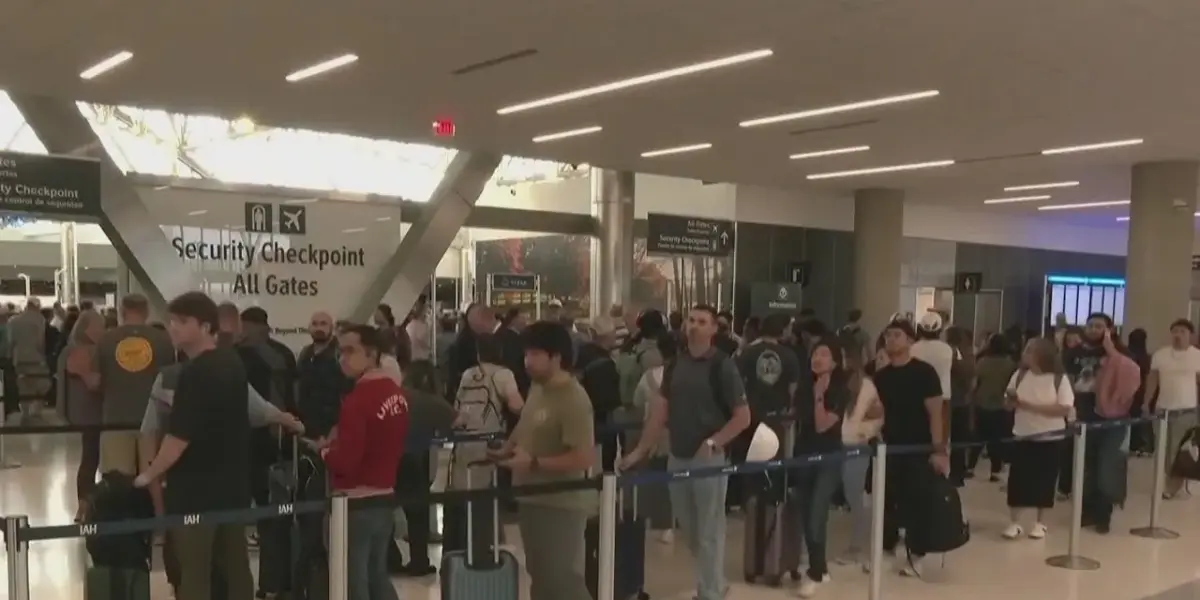
The fight over funding for the Department of Homeland Security (DHS) has reached a breaking point, causing chaos for air travelers across the nation. Long security lines are now wrapping around airport terminals, setting new records for wait times. Officials at DHS report that these are the longest waits ever seen at U.S. airports. This severe disruption is directly linked to a significant increase in TSA officers calling out from work.
Thousands of TSA Officers Absent, Impacting Airport Operations
On a recent Tuesday, more than 3,000 TSA officers did not report for duty. This amounts to over 11% of the workforce calling out, a rate five times higher than normal, according to DHS. Major airports are feeling the brunt of these absences. At New York’s JFK Airport, nearly 40% of TSA agents were absent. Houston’s Hobby Airport saw almost 50% of its staff not show up on the same day. TSA officials expect these delays to worsen as Friday approaches, a day when many workers may miss another paycheck.
Economic Hardship Fuels Worker Absenteeism
The ongoing government shutdown means many TSA employees are not receiving their paychecks. This financial strain is pushing workers to their limits. They struggle to pay for rent and food, and some may be forced to sleep in their cars. The situation is becoming increasingly difficult for these essential workers, making it harder for them to come to work. The country is facing a critical shortage of security personnel at a time when their presence is most needed.
Trump Administration Explores National Guard Deployment
The Trump administration is considering drastic measures to address the airport security crisis. Following the deployment of ICE agents to some airports, President Trump is now floating the idea of sending in the National Guard. However, the practical challenges are immense. The acting TSA administrator stated that it takes four to six months to train a new TSA agent. Even if a funding deal is reached today, the problem could persist for most of the year.
Stalemate Continues: Republicans and Democrats at Odds
The funding fight remains at a complete standstill. Republicans claim they have met all the demands made by Democrats. They accuse the opposing party of constantly changing their requirements. Democrats, however, argue that their position has not shifted. Meanwhile, TSA and DHS officials warn that the situation will only get more difficult as the funding dispute continues.
Global Impact: Undermining Trust and Economic Stability
This ongoing DHS funding crisis and its impact on air travel have significant implications beyond just long lines. It erodes public trust in government’s ability to manage essential services. For the global economy, reliable and efficient air travel is crucial. Disruptions like these can affect tourism, business travel, and supply chains. If airports cannot function smoothly, it signals instability and can deter international investment and travel. This situation highlights the vulnerability of critical infrastructure to political disputes.
Historical Context: Funding Fights and National Security
Government funding battles are not new, but the scale of this current crisis is notable. Historically, disagreements over budgets have led to temporary shutdowns or slowdowns. However, the direct impact on essential security operations, like airport screening, and the resulting public inconvenience are particularly stark. This situation echoes past debates about resource allocation for national security versus other government priorities. The current stalemate forces a re-evaluation of how political disagreements can directly affect the daily lives and safety of citizens.
Economic Leverage: The Power of the Paycheck
The economic leverage in this dispute is clear: the TSA officers’ paychecks. The inability to receive regular pay is the primary driver for officers calling out. This highlights the dependence of government operations on its workforce and the consequences when that workforce is not compensated. The longer the shutdown continues, the greater the financial pressure on these employees, exacerbating the staffing shortages and travel delays. This economic pressure serves as a critical factor in the ongoing stalemate.
Regional Alliances and Power Balances: A Domestic Issue with Global Ripples
While this is primarily a domestic political and funding issue, it has implications for international perceptions. Allies and adversaries alike observe how the United States manages its internal affairs and essential services. A government struggling to keep its airports operational can project an image of dysfunction, potentially weakening its standing on the global stage. This internal struggle affects the perceived strength and reliability of the U.S. as a global partner.
Future Scenarios: Resolution or Continued Chaos
One likely scenario is a short-term funding patch to alleviate the immediate crisis, followed by continued debate over a long-term solution. Another possibility is that the stalemate continues, leading to even more severe disruptions and potentially forcing a resolution through public pressure or political concessions. Less likely, but possible, is a significant breakthrough in negotiations, leading to a comprehensive funding agreement. The path forward depends heavily on the political will of both parties to compromise.
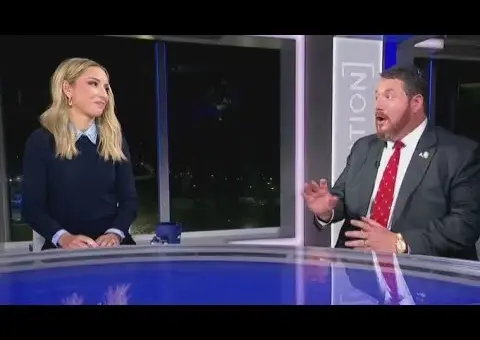
Source: Trump weighs National Guard for airports as DHS stalemate continues | Morning in America (YouTube)

Related Articles
TSA Workers Get Paid After Record Absences
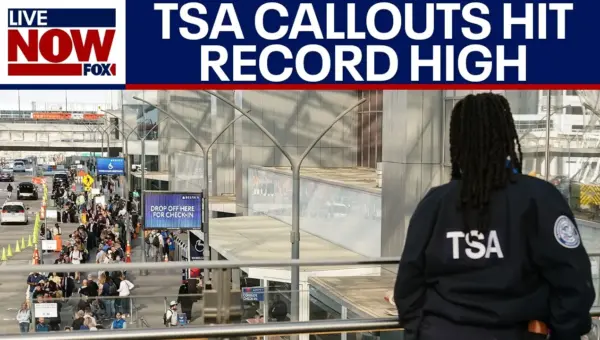
TSA agents will finally receive paychecks after working nearly six weeks without salary, following a directive from President Trump. Record high absences had strained airport operations and caused significant passenger delays. The situation has sparked calls for better protections for essential workers during government shutdowns.
House Republicans Reject Senate Deal, Sparking Government Funding Clash
House Republicans have rejected a Senate bill to end the government shutdown, citing insufficient border security measures. Congressman Randy Fine called the Senate deal a "disgrace" and highlighted the ongoing fight for full government funding. President Trump's executive order to pay TSA agents offers temporary relief, but the core disagreement over border security continues to paralyze Washington.


Tiger Woods Arrested for DUI After Crash
Golf legend Tiger Woods was arrested for DUI in Florida following a dramatic rollover crash. Meanwhile, a government shutdown continues as House Republicans block a Senate deal, leading to airport chaos and TSA worker pay issues. The stock market also plummeted into correction territory amid fears of a prolonged Iran conflict.