Maduro Fights U.S. Charges, Claims Rights Violated
Ousted Venezuelan leader Nicolas Maduro is challenging drug trafficking charges in a New York court. His defense claims his constitutional rights were violated when his legal defense funding was revoked. The case also raises questions about the presiding judge's age and capacity.

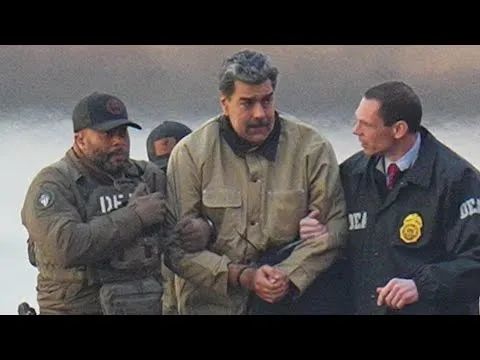
Maduro Fights U.S. Charges, Claims Rights Violated
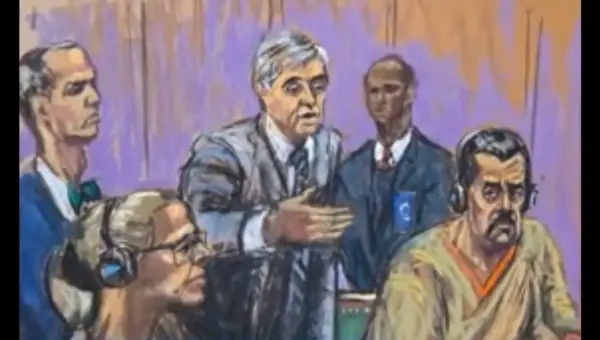
Nicolas Maduro, the leader of Venezuela, is back in a New York courtroom. He is fighting serious charges. The case accuses him of drug trafficking and terrorism. Maduro’s legal team argues that his case should be thrown out entirely. They say his rights have been violated by the U.S. Justice Department.
Legal Strategy Challenges U.S. Court’s Authority
Maduro’s lawyers claim the way he was arrested and the denial of funds for his defense violate his constitutional rights. Specifically, they point to the Sixth Amendment, which guarantees the right to counsel. The U.S. Treasury Department first allowed Venezuela’s government to pay Maduro’s legal fees. This was despite ongoing sanctions against the country. However, this license was quickly canceled. Prosecutors called the initial decision an administrative mistake. This reversal left Maduro unable to pay his legal team. His lead attorney, Barry Pollack, believes this constitutional violation should invalidate the entire case. Pollack also argues that as a foreign leader, Maduro should be immune from prosecution in U.S. courts. He states that his arrest in Venezuela was illegal.
U.S. Government’s Stance on Maduro’s Immunity
The Department of Justice disagrees. They say Maduro does not qualify for diplomatic immunity. The U.S. government does not recognize him as Venezuela’s legitimate leader. This is a key point in the legal battle. Maduro and his co-defendants have pleaded not guilty to the charges. They face accusations of narco-terrorism and drug trafficking.
Concerns Raised Over Judge’s Age and Capacity
Adding another layer to this complex case is the judge overseeing it. Judge Alvin Hellerstein is 92 years old. He is a well-respected figure in legal circles. However, some people worry about his age. He is more than 20 years older than the average federal judge. There are also questions about his mental capacity. This comes as he prepares to handle one of the most complicated cases of his career. A decision from the judge could take weeks. Therefore, a definitive outcome is not expected on this particular court day.
Global Impact and Historical Context
This case goes beyond a single legal battle. It highlights the complex relationship between the U.S. and Venezuela. For years, the U.S. has imposed sanctions on Venezuela. These sanctions aim to pressure the government led by Maduro. The U.S. and many other countries have supported opposition leader Juan Guaidó. They question the legitimacy of Maduro’s presidency. Historically, international law often grants immunity to heads of state. However, this immunity is not absolute. It can be challenged, especially in cases involving severe international crimes. The U.S. decision not to recognize Maduro’s government complicates the application of these traditional legal norms.
Economic and Political Stakes
Venezuela is rich in oil. However, its economy has suffered greatly. Years of mismanagement and sanctions have led to widespread hardship. Maduro’s government relies on oil revenue. Disruptions to this revenue, through sanctions or other means, put pressure on his administration. The U.S. charges and potential trial are part of a broader strategy. This strategy aims to isolate Maduro and support a transition to a different government. The economic leverage of sanctions remains a powerful tool in international diplomacy. It can influence political outcomes.
Future Scenarios
Several outcomes are possible. Maduro’s legal team might succeed in getting the case dismissed on procedural grounds. This would be a significant victory for him. Alternatively, the case could proceed to trial. If convicted, Maduro could face lengthy prison sentences. This would further complicate Venezuela’s political future. Another possibility is a plea deal. This would involve Maduro admitting to some wrongdoing in exchange for a lighter sentence. The involvement of a judge facing questions about his capacity also introduces uncertainty. His decisions could be subject to appeal, extending the legal process.
Source: Ousted Venezuelan leader Nicolas Maduro to fight drug charges in court | Morning in America (YouTube)

Related Articles
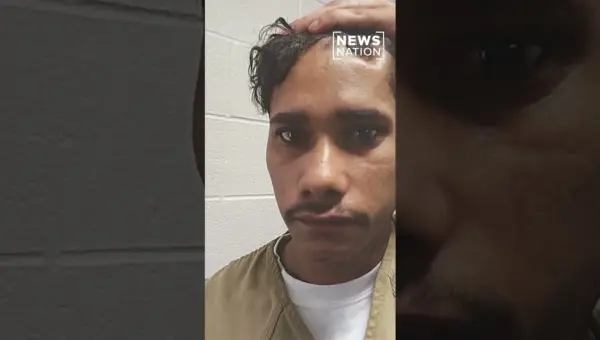
Immigration Debate Ignites Over Murder Suspect’s Status
A Venezuelan national accused of murder has become a focal point in the U.S. immigration debate. Prosecutors presented evidence of his alleged involvement in a student's death, while the defense highlighted his difficult background. The case raises questions about public safety and migrant support.

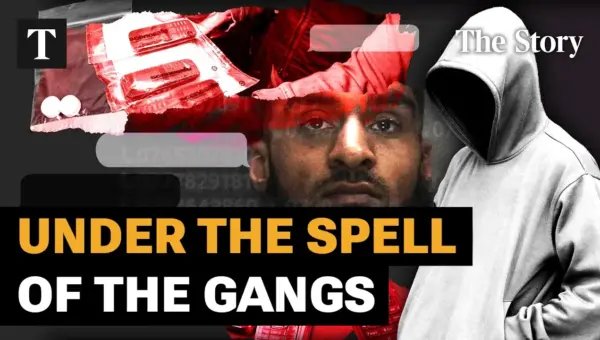
Ex-Drug Runner Details Harrowing ‘County Lines’ Exploitation
A former 'county lines' drug runner, known as Mike, has shared his harrowing experiences of being lured into drug dealing as a teenager. He details the exploitation, violence, and near-fatal encounters that led him to realize the severity of his situation and the importance of support systems for vulnerable youth.

Judge May Let Maduro Pay Legal Bills: A Fight Over Sanctions
A judge is leaning towards allowing former Venezuelan leader Nicolás Maduro to use foreign funds for his legal defense, despite U.S. sanctions. The ruling could impact how sanctions affect the right to counsel in similar cases.