Iran Taunts Trump’s Invasion Threats, Escalating Regional Tensions
Iran is taunting Donald Trump's threats of a ground invasion with memes and defiance, while also preparing for conflict. The situation highlights escalating regional tensions, concerns from allies, and a potential for a protracted and costly war with significant geopolitical implications.

Iran Mocks Trump’s Invasion Threats Amidst Rising Regional Tensions
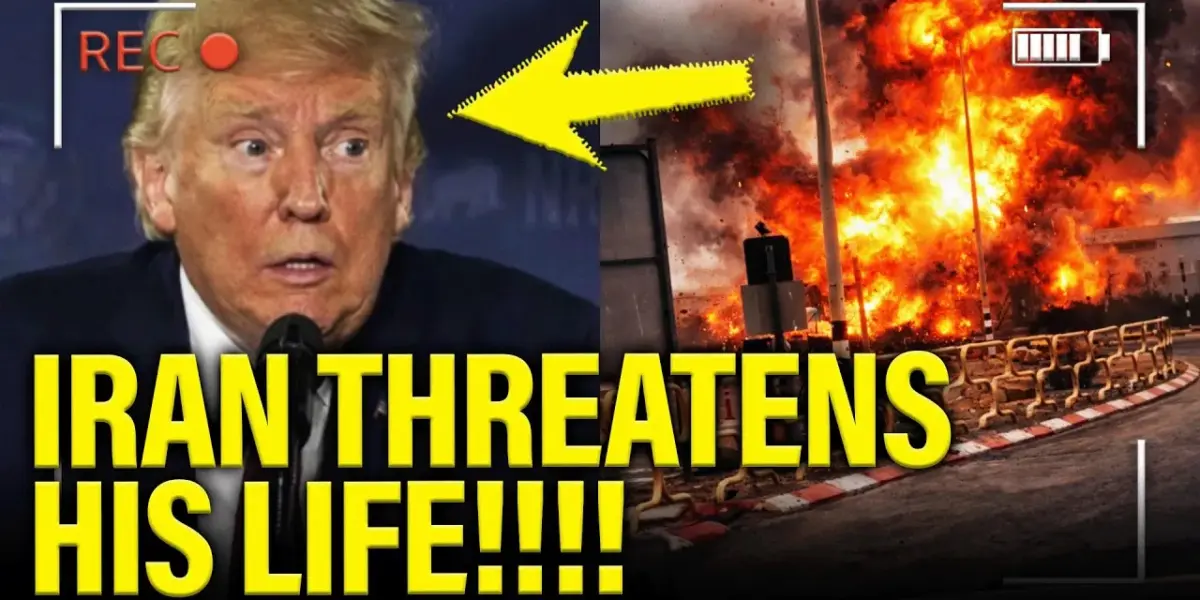
In a dramatic turn of events, Iran has responded to Donald Trump’s aggressive threats of military action with a barrage of taunts and mockery. Trump’s statements, which included a direct warning to Iran about invading “Car Island” with U.S. Marines if a ceasefire wasn’t agreed upon on his terms, have been met with defiance and ridicule from Iranian state media and citizens. This exchange highlights the volatile geopolitical situation and the potential for further escalation in the Middle East.
Iran’s Defiant Response
Iranian state media has actively shared memes and AI-generated videos that poke fun at Trump’s threats. One widely circulated image depicts a coffin adorned with an American flag near the Strait of Hormuz, accompanied by a message inviting American soldiers to “come closer.” Another cartoon humorously portrays an Iranian soldier kicking Trump in the face, mocking his earlier claims that Iran was sending him “great gifts and presents.” These visual taunts underscore Iran’s perceived strength and its willingness to challenge American military pressure.
Readiness for Conflict
Beyond online mockery, Iran has shown a tangible readiness for a potential U.S. ground invasion. Iranian soldiers have been posting photos from underground trenches on Car Island, declaring their preparedness to repel any U.S. landing forces, including the Marines and the 82nd Airborne Division. Reports suggest that Iran has acquired FPV (first-person view) kamikaze drones, potentially from Chinese companies, and has been training for two decades to fight American forces on their own soil. This level of preparation indicates a serious commitment to defending their territory.
“We’ve been preparing two decades to fight the Americans on our soil. Let’s let’s go.”
Concerns from Allies and Analysts
Even close allies are expressing concerns about Trump’s proposed strategy. Israeli security officials reportedly view the idea of seizing Iranian islands as complex and dangerous, warning it could trigger massive Iranian attacks on energy infrastructure and lead to severe escalation. Behind the scenes, Israel has suggested focusing on strikes against Iran’s energy infrastructure rather than an immediate ground operation, acknowledging that any conflict could be a long-term endeavor. This cautious approach contrasts sharply with Trump’s seemingly impulsive rhetoric.
Senior military advisors in Iran have also questioned the effectiveness of U.S. ground operations if air power has not yielded desired results. The sentiment is that American soldiers may not be prepared to fight and die for perceived interests, especially when facing a determined adversary.
Diplomatic Stalemate and Iranian Demands
Despite claims in the U.S. of productive conversations, Iranian officials maintain that no negotiations are taking place. Iran’s Foreign Minister Aragchi stated that talk of negotiations in the U.S. is an admission of defeat, especially after demanding unconditional surrender. Iran’s conditions for any dialogue are steep, including control over the Strait of Hormuz, the removal of U.S. bases from the Middle East, and guarantees against future attacks on Iran and its allies like Hezbollah. They also demand an apology and reparations for damages.
Aragchi also highlighted Iran’s ability to control passage through the Strait of Hormuz, allowing passage for friendly nations like China, Russia, India, Iraq, and Pakistan, while denying it to enemies. This strategic control over a vital global shipping lane gives Iran significant leverage. He emphasized that any ceasefire without guarantees would be a “vicious cycle” that could repeat war, suggesting that Iran sees no benefit in a temporary pause that allows the U.S. to rearm.
Criticism of U.S. Strategy and Media Portrayal
There is significant criticism regarding how the war is being presented to the American public and even to President Trump himself. Reports suggest Trump is being briefed through short, visually engaging “hype reels” that show explosions, rather than detailed strategic analysis. This method of information dissemination has drawn criticism from both sides of the political spectrum, including Republican lawmakers who feel they are not receiving adequate information about the war’s objectives and options.
Congresswoman Nancy Mace has voiced strong opposition to deploying ground troops to Iran, drawing parallels to the Iraq War and expressing concerns about getting “dragged into another Iraq.” Her departure from a House Armed Services briefing underscored the growing unease among some lawmakers about the potential for a prolonged and costly ground invasion.
Iran’s Economic Maneuvers
In parallel with the military posturing, Iran’s parliament is moving to formalize a plan to charge tolls for ships passing through the Strait of Hormuz. This move aims to assert sovereignty and create a new national revenue stream, treating the strait like other international waterways such as the Suez Canal. This legislative effort demonstrates Iran’s intent to exert greater control over its strategic waterways, further complicating regional dynamics.
Escalating Costs and Regional Instability
The conflict is proving to be immensely costly, with reports of $23 billion being spent daily and requests for an additional $200 billion. The U.S. Air Force has reported significant losses, including F-35 and F-15 aircraft, along with numerous drones and helicopters. The conflict is also destabilizing neighboring Iraq, leading to increased sectarian violence and attacks on American bases, turning the region into a broader conflict zone.
Furthermore, the war is straining U.S. military resources, with interceptor stockpiles potentially taking three to eight years to replenish. The reliance on military bases in the Middle East has also become problematic, with U.S. troops reportedly working remotely from hotels and civilian spaces due to the vulnerability of these bases. This suggests a significant strategic setback and a potential overextension of military capabilities.
International Alliances and Support
Reports indicate that Russia is supplying Iran with drones, medicine, and food, further solidifying the Russo-Iranian alliance. This support comes as the U.S. faces depleted resources and growing domestic and international criticism for its involvement. The conflict appears to be drawing together nations opposed to U.S. influence, creating a complex web of alliances and counter-alliances.
Why This Matters
The escalating rhetoric and actions between the U.S. and Iran, particularly under Trump’s leadership, carry profound implications. Trump’s aggressive stance, met with Iranian defiance and mockery, risks pushing the region further into conflict. The potential for a ground invasion, even if threatened rather than imminent, could lead to a protracted and bloody war with devastating human and economic costs. The U.S. faces not only military challenges but also strategic isolation and the depletion of critical resources. The situation underscores the importance of clear objectives, diplomatic solutions, and careful consideration of consequences in foreign policy, especially in volatile regions like the Middle East. The ongoing conflict and its ripple effects highlight the interconnectedness of global security and the potential for regional instability to impact international relations and economies.
Implications, Trends, and Future Outlook
The current situation points to a dangerous trend of escalating military posturing and a potential for miscalculation. Iran’s perceived upper hand, bolstered by its strategic control of the Strait of Hormuz and support from Russia, suggests a shift in regional power dynamics. The U.S. faces the challenge of managing a costly conflict while its military resources are stretched thin and its global standing is tested. The future outlook suggests a prolonged period of tension, with the possibility of limited engagements or a wider regional war. The effectiveness of sanctions, diplomatic efforts, and military deterrence will be crucial in shaping the trajectory of this conflict.
Historical Context and Background
The current tensions are rooted in decades of complex U.S.-Iran relations, marked by political disputes, economic sanctions, and proxy conflicts. The U.S. withdrawal from the Iran nuclear deal under the Trump administration and subsequent reimposition of sanctions significantly heightened tensions. Iran’s regional influence, its support for various militant groups, and its nuclear program have been persistent concerns for the U.S. and its allies. Understanding this historical context is vital to grasping the deep-seated animosity and strategic calculations driving the current standoff.
Source: Trump LOSES IT as Iran TAUNTS HIM for GROUND INVASION!!! (YouTube)

Related Articles

G7 Allies Clash Over Iran War Strategy, Urge Focus on Russia
G7 foreign ministers met in Paris, revealing deep divisions over the U.S. war with Iran. European allies urged the U.S. to pressure Russia, linking its actions to the conflict and fearing support for Ukraine will wane.

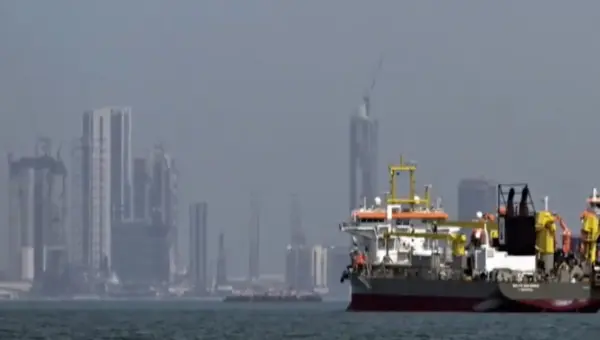
Iran Blocks China Ships, Exposing Beijing’s Weak Grip
Iran's recent decision to block Chinese ships at the Strait of Hormuz is exposing the limits of Beijing's influence in the Middle East. This action is causing delays and cancellations for Chinese manufacturers, turning a perceived geopolitical win into an economic strain.
Rubio: US Can Achieve Iran War Goals Without Troops
Senator Marco Rubio outlined a strategy to counter Iran without deploying U.S. ground troops, focusing on weakening the regime and enhancing maritime security. He also criticized Cuba's economic system and expressed concerns about West Bank violence.