Trump’s Iran War Divides MAGA, Threatens Economy
Former Congressman Denver Riggleman criticizes the U.S. strategy in Iran, citing unclear objectives and underestimation of drone threats. He argues the conflict divides the MAGA base and risks economic instability.

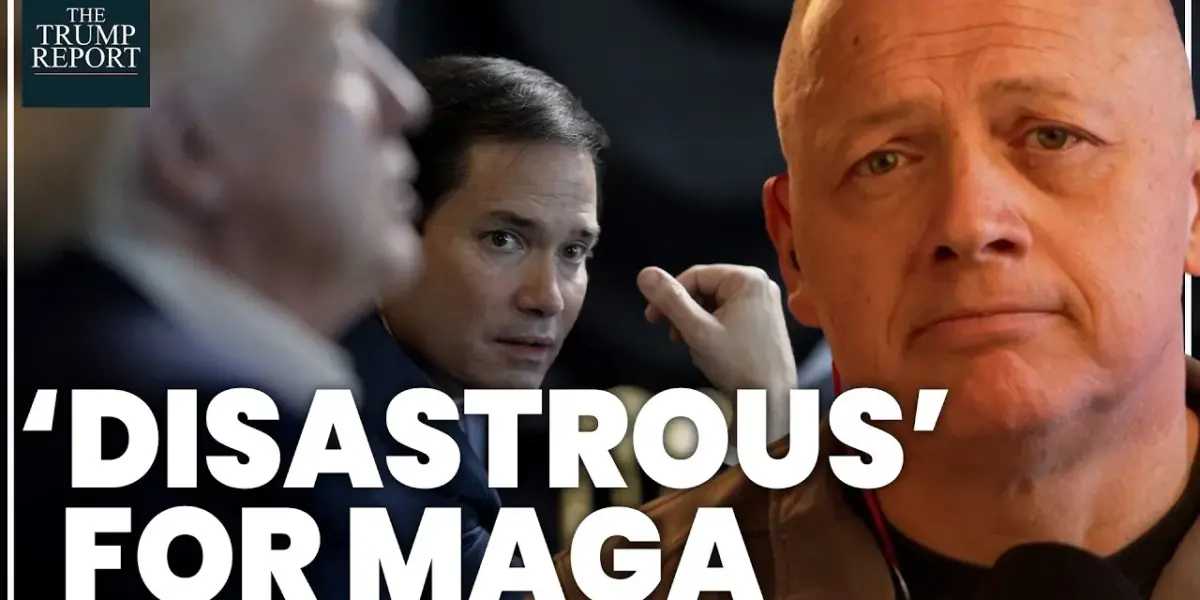
Trump’s Iran War Divides MAGA, Threatens Economy
The United States’ actions in Iran are causing a deep rift within the MAGA movement, according to former Republican Congressman Denver Riggleman. He argues that the current military strategy is not only flawed but also goes against the core promises President Trump made to his base. This conflict, Riggleman suggests, is not being well-received by the American public and could have serious economic consequences.
Questionable Mission Planning and Strategy
Riggleman, an Air Force veteran with extensive experience in intelligence and mission planning, expressed concerns about the planning behind the operations in Iran. While he didn’t call it “sloppy,” he noted that some aspects have been effective but believes the U.S. underestimated Iran’s drone capabilities and its ability to wage asymmetric warfare.
He highlighted the confusion surrounding the objectives of the war. “Is it nuclear? Is it stopping their nuclear program?” Riggleman asked, pointing out the shifting explanations from the Pentagon. He listed multiple potential goals, including regime change, destroying Iran’s defense industry, neutralizing its army and navy, and stopping state-sponsored terrorism. This lack of a clear, singular objective, he believes, makes it difficult to define what victory would even look like.
“It’s very difficult to win a war with air power alone,” Riggleman stated. He explained that while air power is a powerful tool, it usually requires ground forces to secure territory and achieve definitive results. The idea that air strikes alone can achieve complex goals like regime change or dismantling an entire military infrastructure is, in his view, unrealistic.
Divergence from MAGA Ideals
A key point of contention for Riggleman is how the conflict clashes with the MAGA movement’s core tenets. “MAGA is inherently nihilist. It’s inherently nationalistic,” he said. He believes Trump promised his supporters that he would not start new wars and would avoid foreign entanglements. The current military actions in Iran, therefore, appear to contradict these promises, potentially alienating a segment of his base.
He also noted that while Trump claimed to have achieved “regime change,” Riggleman questioned whether the new leadership in Iran is any better for the U.S. or its allies. He pointed out the irony that even after taking out one leader, another emerged, suggesting that the goal of regime change might be more complex and less effective than presented.
The Drone Threat and Unpreparedness
Riggleman emphasized the growing threat of drone warfare, citing Iran’s use of various types of drones, like the Shahed, which can carry significant payloads and travel at high speeds. He lamented the U.S.’s apparent lack of preparedness for this type of conflict, especially given the lessons that could have been learned from Ukraine’s defense against Russian drones.
He described the current situation as a costly arms race where the U.S. might be spending millions on missiles to shoot down drones costing tens of thousands. “We can’t continue to shoot down even a $50,000 drone with a $2 million missile. We just can’t do that,” he warned. Riggleman urged the U.S. to adopt the innovative drone warfare strategies pioneered by Ukraine.
Economic Fallout and Political Motivations
Beyond the military and political implications, Riggleman raised serious concerns about the economic impact of the conflict. He pointed to rising oil prices, which have a ripple effect on inflation and the cost of goods for everyday Americans. He suggested that these rising prices, combined with existing tariffs, create a difficult economic situation, especially for working-class individuals.
Riggleman also alluded to potential personal gain influencing the administration’s decisions. He mentioned reports of insider trading related to oil markets and noted investments by individuals connected to the Trump family in drone companies. “It seems like personal gain for the administration or those around them seems to be a primary objective of this war rather than the all the different reasons we stated at the beginning of this interview,” he stated.
He expressed skepticism about the current Republican-controlled Congress providing a check on presidential war powers, suggesting that lawmakers are more concerned with loyalty to Trump and their own re-election prospects than with sound foreign policy or the well-being of American citizens. He predicted that the economic hardships caused by the conflict could significantly hurt Republican lawmakers in upcoming elections.
Damaged Global Reputation
Riggleman also spoke about the damage this approach has done to America’s standing in the world. He noted a palpable lack of trust from European allies, suggesting that the current administration has eroded decades of diplomatic goodwill. This distrust, he fears, will be difficult to repair and could have long-term consequences for U.S. foreign relations.
Why This Matters
The analysis presented by Denver Riggleman offers a critical perspective on the ongoing conflict in Iran, particularly from within the Republican party. It highlights a potential disconnect between the administration’s stated goals and the reality on the ground, raising questions about strategic effectiveness and clarity of purpose. The concerns about the rise of drone warfare and the U.S.’s preparedness are crucial as modern conflicts evolve. Furthermore, the discussion of economic impacts and potential personal gain introduces a layer of scrutiny that is vital for public discourse. The potential for internal division within a major political movement and the damage to international alliances underscore the broader implications of such foreign policy decisions.
Implications, Trends, and Future Outlook
The situation suggests a trend towards more complex, asymmetric warfare, where traditional military might may not be enough. The reliance on air power without clear ground objectives is questioned, and the growing importance of drone technology is undeniable. Economically, the conflict could exacerbate inflation and lead to further instability, impacting both domestic politics and global markets. The political outlook for Republican lawmakers appears challenging if economic conditions worsen and the public perceives the war as costly and without clear benefit. Internationally, the U.S.’s reputation and ability to lead alliances are at stake, potentially requiring significant diplomatic efforts to rebuild trust.
Historical Context and Background
The conversation touches upon the long-standing tensions between the U.S. and Iran, which have seen periods of both direct confrontation and proxy conflicts. The mention of Iran’s drone program and asymmetric tactics reflects a shift in global military capabilities, where non-state actors and less conventional forces can pose significant challenges to major powers. The discussion also implicitly references the broader debate about American interventionism and the costs associated with prolonged military engagements abroad, a theme that has resonated throughout U.S. foreign policy for decades.
Source: Trump's 'disastrous' war in Iran is tearing MAGA apart | Denver Riggleman (YouTube)

Related Articles

Trump’s War Strategy Faces Skepticism Amidst Shifting Goals
President Trump's strategy in the ongoing Middle East conflict is facing increasing skepticism, even from his own base. While military actions have seen success, strategic goals are unclear and diverging from allies like Israel. The prolonged war and shifting public perception are creating a sense of uncertainty and doubt.
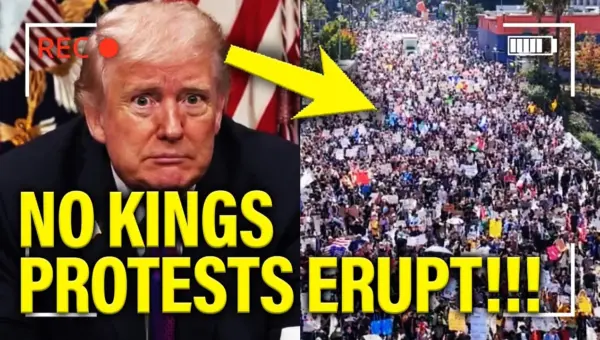
Protests Challenge Trump’s Grip as ‘No Kings’ Movement Grows
Massive 'No Kings' protests swept the nation, challenging the Trump administration and advocating for democratic values. Organizers highlighted growing support and a shift in protest tactics, positioning the movement as a force for positive change.
G7 Leaders Clash Over Trump’s Iran Policy Amidst Global Crisis
World leaders at a G7 meeting voiced sharp criticism of Donald Trump's Iran policy, citing concerns over the Strait of Hormuz and a looming global recession. Disagreements emerged regarding strategy and accusations of misinformation, highlighting deep divisions.