Trump Claims Iran Deal Close Amid Escalating Regional Conflict
President Trump claims Iran is eager to negotiate a peace deal, despite Tehran publicly dismissing U.S. proposals and demanding war reparations. The conflict escalates with ongoing Iranian strikes across the region, while U.S. officials privately signal a desire for a swift resolution, though concerns about potential troop deployments and political fallout grow.

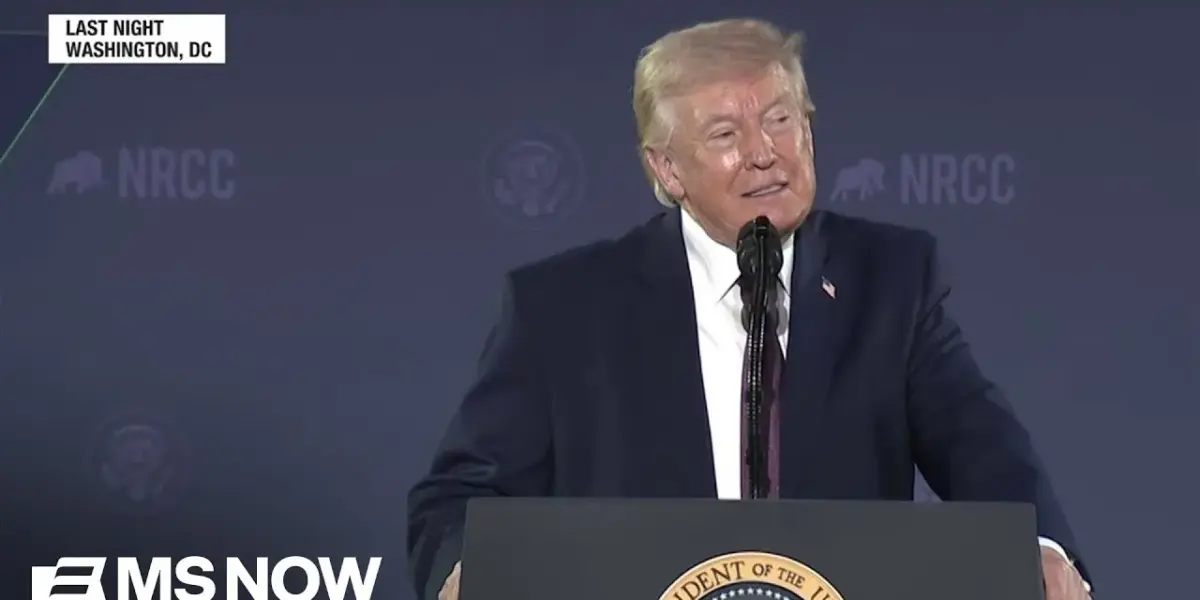
White House Asserts Diplomatic Progress Despite Iranian Defiance
As the conflict with Iran enters its 27th day, conflicting claims about the possibility of peace are emerging. President Trump is publicly asserting that Iran is eager to negotiate a deal, even suggesting they are hesitant to admit it due to fear of their own people and potential U.S. action. However, Iran’s government is publicly dismissing a U.S. cease-fire proposal and is reportedly offering its own terms, which include demands for war reparations and control over the Strait of Hormuz. The Iranian Foreign Minister has stated his government has no plans to negotiate.
Regional Tensions Rise as Iran Continues Attacks
This diplomatic standoff is mirrored on the battlefield. Sirens wailed in Tel Aviv this morning as Iran continued to launch strikes across the region. Neighboring countries like Bahrain, Saudi Arabia, and Kuwait worked to intercept Iranian fire. In the United Arab Emirates, authorities reported that two people were killed and three others injured by shrapnel from a ballistic missile interception, highlighting the ongoing danger and instability.
“They are negotiating, by the way, and they want to make a deal so badly, but they’re afraid to say it because they figure they’ll be killed by their own people. They’re also afraid they’ll be killed by us.”
President Trump, speaking on the situation
White House Focuses on ‘Cutting Out the Cancer’
Despite the escalating attacks and Iran’s public rejection of negotiations, the White House remains confident in its strategy. President Trump has described the situation as needing to “get rid of the cancer” – referring to Iran’s nuclear ambitions. He stated that the U.S. has “cut out” this threat and is now focused on finishing the job. The President also noted that he expected economic impacts, such as higher energy prices and a lower stock market, to be more severe than they have been.
Private Signals Suggest a Push for Swift Resolution
Behind the public pronouncements, reporting suggests President Trump is privately urging advisors to maintain a four-to-six-week timeline for the conflict’s conclusion. He reportedly believes the conflict is in its final stages. One idea floated to advisors, according to a senior administration official, involves securing U.S. access to Iranian oil as part of any deal. However, there are currently no concrete plans for this outcome.
Concerns Mount Over Potential Troop Deployment
While the President has indicated a willingness to deploy troops onto Iranian soil, he is reluctant to do so. This reluctance stems partly from a desire for a quicker end to the conflict and concerns about potential casualties. However, this has led to unease among some lawmakers. White House reporter Megan Messerly noted that some on Capitol Hill, including Republicans, are worried about a potential escalation and the possibility of U.S. troops being deployed.
Navigating a Path to De-escalation
Experts suggest the administration is seeking an “off-ramp” to de-escalate the situation. Some view the buildup of forces near Iran as a negotiating tactic. Others worry that the presence of troops in the region could lead to their use, potentially prolonging the conflict beyond the President’s desired timeline. The challenge lies in Iran’s stated refusal to negotiate, while the U.S. insists indirect talks are ongoing.
Political Pressure Mounts as Midterms Approach
New polling indicates the conflict could become a political liability for the President and Republicans heading into the midterm elections. A significant majority of Americans, 59%, believe U.S. military action in Iran has gone too far, a sentiment shared by a higher percentage of independent voters. Concerns about affording gas prices have also risen sharply. The President’s foreign policy approval rating currently stands at 34%, reflecting growing public unease.
Defining Victory Amidst Uncertainty
The administration faces a critical challenge in defining victory and achieving a swift exit from the conflict. While the President has the flexibility to define success due to less explicit initial goals, continued Iranian aggression or disruptions in key shipping lanes like the Strait of Hormuz would make declaring victory difficult. The impact on the economy, upcoming elections, and the President’s legacy are all factors influencing the White House’s strategy.
Looking Ahead: Congressional Scrutiny and Public Opinion
As the conflict continues, lawmakers, including Republicans, are expressing frustration over a perceived lack of information from the administration. This growing concern suggests that congressional scrutiny may intensify. The White House’s ability to manage public perception, navigate complex diplomatic and military pressures, and achieve its stated goals within the desired timeline will be crucial in the coming weeks.
Source: Trump insists Iran wants to make a deal (YouTube)

Related Articles

Stocks Ignore War Risks, Focus on “Taco Moments”
Stock markets appear to be overlooking the severe supply chain risks stemming from the Iran conflict, focusing instead on potential diplomatic de-escalations. While the S&P 500 shows resilience, bond and commodity markets signal deep concern over disruptions to critical resources like LNG, helium, and fertilizers.

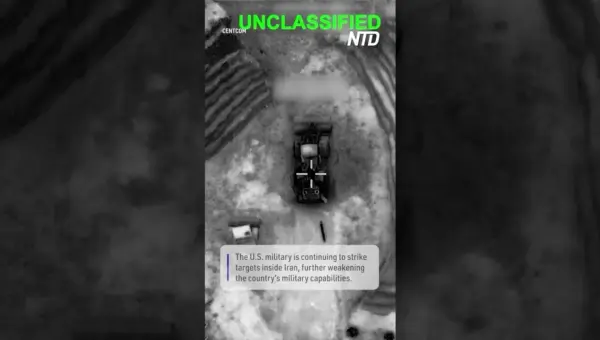
US Strikes Cripple Iran’s Military Might, CENTCOM Reports
U.S. Central Command reports ongoing strikes inside Iran are significantly weakening its military power. This direct action aims to reshape regional security dynamics, but carries risks of escalation. The long-term impact depends on Iran's response and ability to adapt.

U.S. Iran Tensions Rise Amid Shifting Alliances
Rising tensions between the U.S. and Iran are creating a volatile geopolitical situation. With conflicting signals on de-escalation and potential shifts in alliances like NATO and U.S.-Israel relations, the path forward remains uncertain. The global economy and regional stability hang in the balance.